
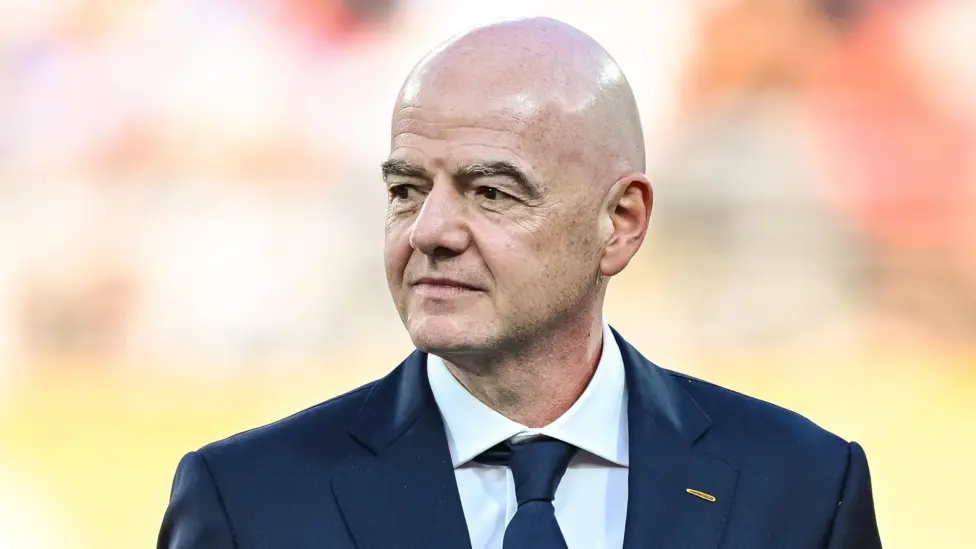

ZURICH: FIFA President Gianni Infantino has officially withdrawn the controversial FIFA private investment plan, saying the proposal had created divisions within world football and would no longer move forward.
Infantino said it had become clear that the proposal was no longer serving its intended purpose of strengthening the global game. “As a result, this proposal will not proceed,” he said in a statement.
The plan would have allowed private investors to purchase stakes in FIFA competitions, including the men’s and women’s FIFA World Cups. In return, FIFA’s 211 member associations were offered $40 million (£30 million) each if they supported the proposal.
The initiative faced strong resistance from football governing bodies around the world. UEFA had warned it would boycott FIFA tournaments, including the men’s and women’s World Cups and the Club World Cup, if the proposal was approved.
Opposition also came from Concacaf, which said its members rejected the proposal, while the Asian Football Confederation (AFC) announced it stood in solidarity with UEFA and Concacaf.
The controversy also triggered internal turmoil within FIFA. Chief Operating Officer Kevin Lamour said the organisation’s administration had been “deceived” regarding the project.
Meanwhile, Carlos Cordeiro, Infantino’s senior adviser on global strategy and governance, resigned over the proposal, describing it as “a bad deal for football” that would have mortgaged the sport’s future.
The failed proposal has increased pressure on Infantino as he prepares to seek a fourth term as FIFA president at the FIFA Congress scheduled for March.
Despite the setback, Infantino said FIFA remains committed to unity and collaboration. He added that he intends to bring all stakeholders together in the coming weeks to work in the shared interests of world football.
AFC President Sheikh Salman bin Ebrahim Al Khalifa welcomed the decision, saying the future of global football should always be determined through consultation, collective dialogue and respect for the game’s established governance structures.