


Scientists Discover a Surprising Link Between Vitamin C and Brain Health
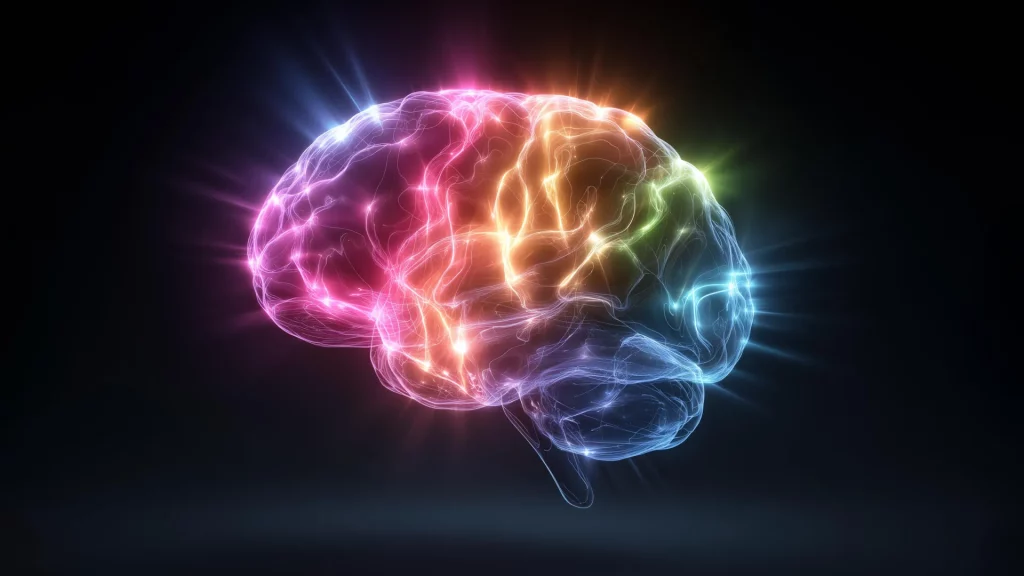
Scientists have uncovered a surprising connection between vitamin C and brain health, suggesting that the essential nutrient may play a much larger role in maintaining cognitive function than previously believed. The findings are generating interest among researchers studying aging, memory, and neurological disorders.
According to the new research, vitamin C helps protect brain cells from oxidative stress, a process that can damage neurons over time. Researchers found that adequate levels of vitamin C may support healthy communication between brain cells, improve memory performance, and reduce inflammation linked to cognitive decline.
The study also highlighted that people with low vitamin C levels may face a greater risk of memory problems and slower cognitive function. While the findings do not prove that vitamin C alone can prevent diseases such as dementia or Alzheimer’s, they reinforce the importance of maintaining sufficient vitamin C intake as part of a balanced diet.
Experts recommend obtaining vitamin C primarily from natural food sources, including oranges, strawberries, kiwi, bell peppers, broccoli, and leafy green vegetables. They caution against relying on high-dose supplements without medical advice, as more research is needed to determine the long-term benefits of supplementation for brain health.
Scientists say further clinical trials will help clarify how vitamin C affects brain function across different age groups and whether targeted nutrition strategies could support healthier aging. For now, the research adds to growing evidence that a nutrient long known for supporting the immune system may also contribute to keeping the brain healthy.