

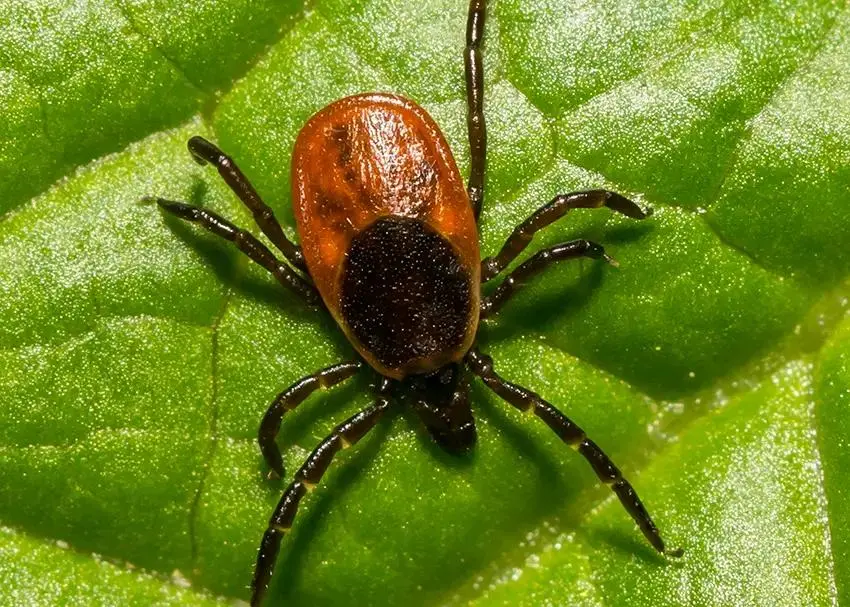


Another Tick-Borne Illness on the Rise in the US as Powassan Virus Cases Increase
The United States is seeing a steady rise in cases of the Powassan virus, a rare but potentially life-threatening tick-borne disease that health experts say deserves greater public attention.
According to US health officials, reported Powassan virus infections have increased significantly over the past decade, rising from just seven confirmed cases in 2015 to 76 cases in 2025. Recent infections reported in New Jersey, New Hampshire, and Rhode Island have renewed concerns about the spread of the virus.
Like Lyme disease, Powassan virus is primarily transmitted by blacklegged (deer) ticks, which are commonly found across the northeastern and upper Midwestern United States. However, medical experts warn that Powassan virus can be transmitted much faster than Lyme disease, with infection occurring in as little as 15 minutes after a tick bite.
Many people infected with the virus may experience no symptoms. Those who do become ill often develop flu-like symptoms, including fever, fatigue, headache, and muscle aches. In severe cases, the virus can spread to the brain and spinal cord, leading to inflammation that may cause confusion, difficulty speaking, loss of coordination, seizures, or paralysis.
Health authorities say Powassan virus is far more serious than Lyme disease in severe cases. Approximately 15% of patients who develop neurological illness die, while nearly half of survivors are left with long-term neurological complications, including memory problems, muscle weakness, and balance disorders.
Public health experts are urging people to take precautions against tick bites by wearing protective clothing, using insect repellent, checking for ticks after spending time outdoors, and removing attached ticks as quickly as possible.