
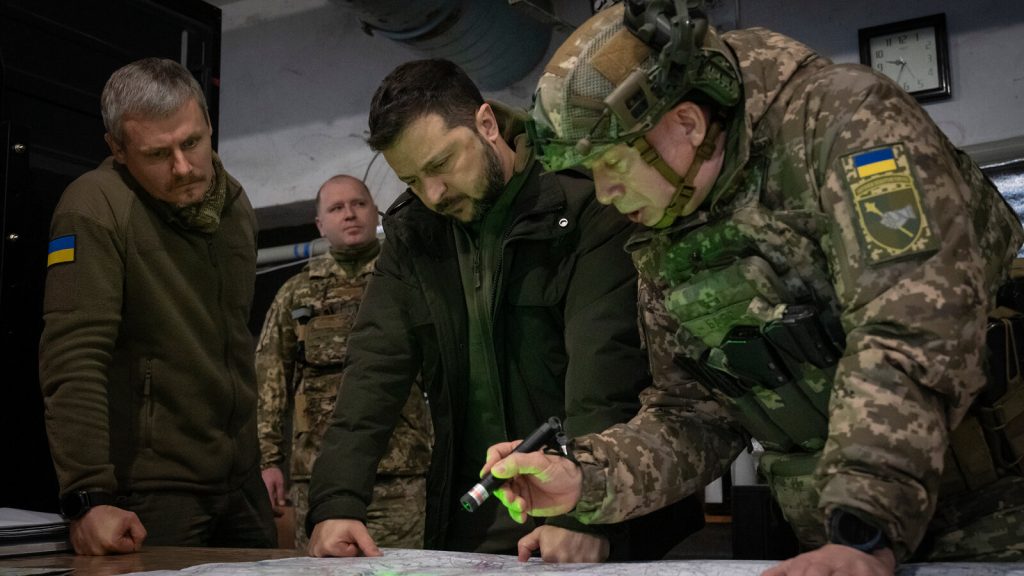

Kyiv replaces its defence minister and army chief in a major leadership shake-up as Ukrainian forces report significant successes on the battlefield.
KYIV: Ukraine has carried out a major overhaul of its military and political leadership, replacing its defence minister and top military commander despite what many analysts describe as one of the country’s strongest periods of battlefield performance since the war with Russia began.
The leadership changes began on July 15 with the dismissal of Defence Minister Mykhailo Fedorov, followed six days later by the replacement of Commander-in-Chief Oleksandr Syrskyi. Several senior military officials serving under them were also removed as part of the broad restructuring.
The simultaneous reshuffle comes at a time when Ukrainian forces have reportedly been inflicting heavy losses on Russian troops while slowing Moscow’s territorial advances.
According to Ukraine’s Defence Ministry, approximately 193,500 Russian soldiers have been killed or seriously wounded this year. Former commander Oleksandr Syrskyi previously said Russian forces were suffering average monthly losses of around 32,000 personnel, while Ukraine’s Foreign Intelligence Service claims Russia is struggling to meet its military recruitment targets.
Military analysts say these mounting losses have significantly reduced Russia’s ability to sustain large-scale offensives.
Despite the high human cost, Russia has achieved only modest territorial advances in 2026.
Data from the Institute for the Study of War (ISW) indicates that Russian forces have gained a net total of about 81 square kilometres this year. The Washington-based think tank also reported that Russia’s battlefield momentum has continued to weaken.
June proved particularly difficult for Russian forces, with only limited territorial gains, while preliminary assessments suggest July has been even less successful, with Ukrainian counterattacks reversing some Russian advances.
Alongside military setbacks, Russia’s wartime economy has also shown signs of slowing.
President Vladimir Putin recently acknowledged that economic growth had eased to approximately 0.2 percent this year after stronger expansion between 2022 and 2024, reflecting growing pressure from prolonged military spending and international sanctions.
Ukraine has changed senior military leaders during the war before, but this marks the first time both the defence minister and commander-in-chief have been replaced within days of each other.
Observers believe the coordinated leadership changes may reflect an internal review of Ukraine’s military strategy as Kyiv prepares for the next phase of the conflict while seeking to maintain pressure on Russian forces.