


A groundbreaking scientific study has uncovered the world’s first known contagious cancer in freshwater fish, after researchers discovered that melanoma may be spreading from one catfish to another in a lake shared by the United States and Canada.
The findings, published in the journal Nature, could reshape scientists’ understanding of how cancer develops and spreads in wildlife.
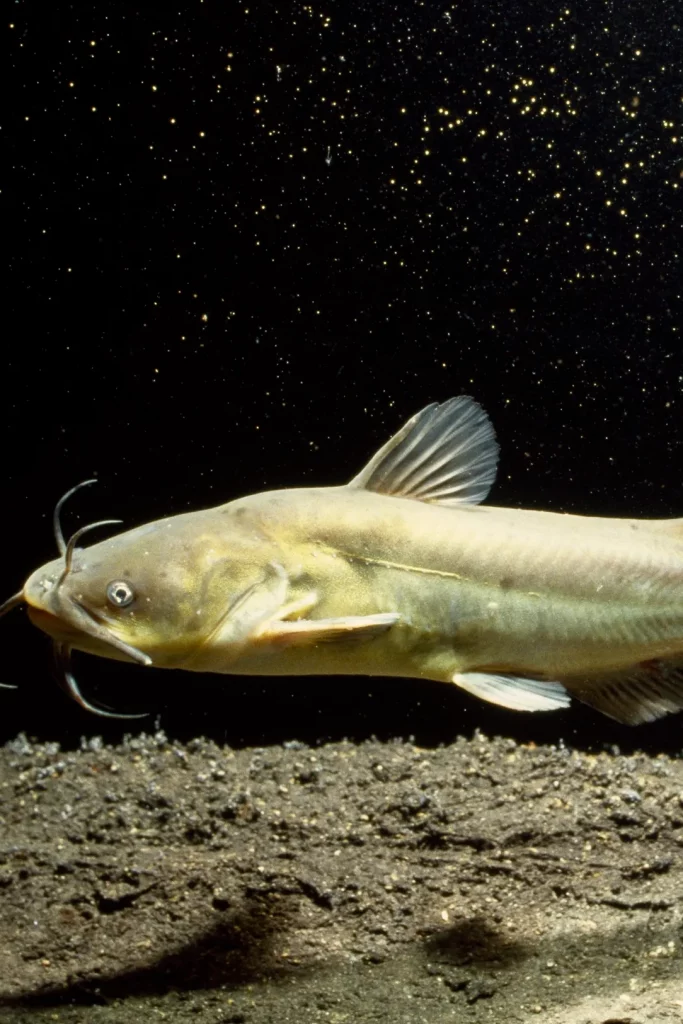
The investigation began in 2013 when anglers and wildlife biologists working around Lake Memphremagog, a large freshwater lake stretching across Vermont and Quebec, noticed unusual black, raised spots on the bodies of brown bullhead catfish.
Further examinations revealed that between 23% and 37% of sampled fish had confirmed melanoma lesions—a serious form of skin cancer.
Although melanoma had previously been observed in brown bullhead catfish elsewhere, researchers said they had never seen cancer affecting such a large proportion of a freshwater fish population.
Scientists initially believed environmental contamination might be responsible.
Attention quickly turned to Tropical Storm Irene, which caused devastating floods across the region in 2011. Researchers questioned whether floodwaters had released cancer-causing pollutants into the lake, increasing cancer rates among fish.
However, years of investigation failed to find sufficient evidence linking pollution alone to the widespread outbreak.
The new research points to a far more unusual explanation.
Scientists believe the melanoma cells themselves may be moving directly from one fish to another, effectively allowing the cancer to spread as a transmissible disease.
If confirmed, the discovery represents:
- The first documented contagious cancer in any freshwater fish
- The first known transmissible cancer identified in a freshwater ecosystem
Researchers say the finding expands the small number of naturally occurring contagious cancers previously documented in wildlife.
Is Cancer Contagious?
Despite the findings, health experts stress that human cancer is not contagious.
According to the American Cancer Society, cancer develops when a person’s own cells accumulate genetic damage that causes uncontrolled growth and tumor formation.
Cancer cannot be transmitted through:
- Touching another person
- Sharing food or drinks
- Breathing the same air
- Everyday social contact
The newly discovered fish disease is considered an extremely rare biological phenomenon observed only in certain animal species.
Why the Discovery Matters
Scientists say understanding how these cancer cells survive, spread, and evade the immune system could provide valuable insights into cancer biology.
The discovery may also improve wildlife disease monitoring and contribute to future cancer research by revealing new mechanisms behind tumor transmission.
Researchers plan to continue studying the affected catfish population to determine exactly how the melanoma spreads and whether similar cases exist in other freshwater species.