

TOKYO: The death toll from the powerful earthquake that struck northern Japan has risen to 13, as emergency teams continue an intensive search-and-rescue operation for people believed to be trapped beneath the rubble of a collapsed shopping mall and other damaged buildings.
The strong earthquake, which rocked several prefectures on Monday, caused widespread destruction, flattening buildings, damaging roads and disrupting power and communication networks. Rescue workers, firefighters and military personnel have been deployed across the affected areas in a race against time to locate survivors.
Authorities confirmed that 13 people have lost their lives, while dozens more have sustained injuries ranging from minor to critical. Officials warned that the number of casualties could increase as rescue teams gain access to heavily damaged structures.
Search Continues at Collapsed Mall
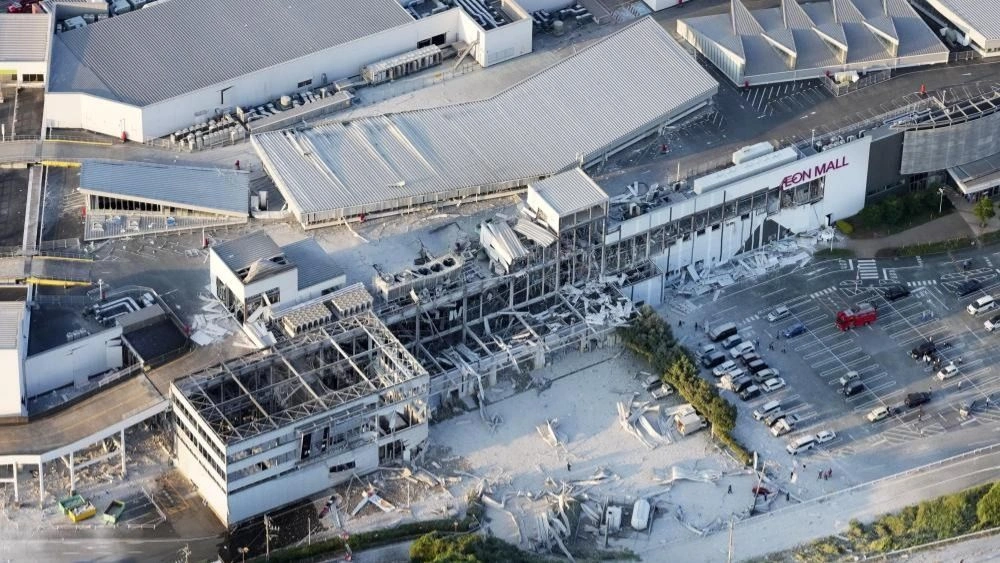
One of the worst-hit locations is a large shopping mall that partially collapsed during the earthquake, trapping shoppers, employees and visitors inside. Heavy machinery, sniffer dogs and thermal imaging equipment are being used to search for survivors buried beneath concrete slabs and twisted steel.
Emergency responders have managed to rescue several people alive from the debris, but many remain unaccounted for. Rescue operations have been complicated by unstable structures and the constant risk of aftershocks.
Authorities said every effort is being made to reach those trapped as quickly as possible while ensuring the safety of rescue workers.
Widespread Damage Across Region
The earthquake damaged homes, office buildings, schools and public infrastructure across several cities. Roads have cracked, bridges have suffered structural damage and rail services have been suspended in multiple areas.
Power outages affected thousands of households, while water supplies and telecommunications were disrupted in some communities. Emergency shelters have been opened to accommodate residents forced to flee damaged homes.
Local governments have begun assessing the full extent of the destruction as engineers inspect buildings for structural safety.
Aftershocks Raise Safety Concerns
Japan’s Meteorological Agency has warned residents to remain vigilant as strong aftershocks are expected over the coming days. Officials cautioned that weakened buildings could collapse further, while landslides remain a threat in mountainous regions.
Residents have been urged to avoid entering damaged structures unless declared safe by authorities and to follow evacuation orders where necessary.
Government Mobilises Emergency Response
Prime Minister officials said the government has mobilised all available resources to support rescue operations and provide emergency relief to affected communities.
The Self-Defense Forces have joined firefighters, police officers and disaster response teams in delivering food, water, medical supplies and temporary shelter to survivors.
Authorities pledged financial assistance for rebuilding efforts and promised a comprehensive assessment of the disaster once rescue operations conclude.
Japan’s Earthquake Preparedness Tested Again
Japan is one of the world’s most earthquake-prone countries due to its location along the Pacific “Ring of Fire,” where several tectonic plates meet. The country maintains some of the world’s strictest building standards and disaster preparedness systems, but powerful earthquakes continue to pose significant risks.
Experts say while modern construction helps reduce casualties, older buildings and densely populated commercial areas remain vulnerable during major seismic events.
Rescue teams continue working around the clock, hoping to locate more survivors as families anxiously await news of missing loved ones. Authorities have urged the public to remain calm, follow official safety instructions and prepare for possible aftershocks as recovery efforts continue.