
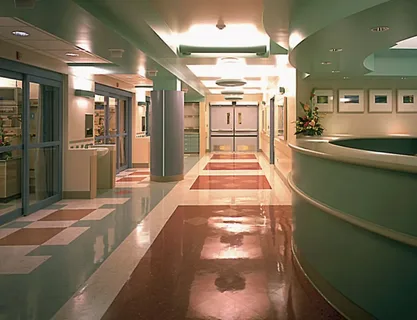

A new acid burn treatment unit has become fully functional at Holy Family Hospital, adding another specialized facility to Pakistan’s limited but growing network of burn care centers. The development comes as the country continues to grapple with high rates of acid violence and thermal burn injuries each year.
Background
Pakistan has struggled for decades with a severe shortage of specialized burn treatment facilities relative to the scale of need. More than 3,400 acid burning cases were reported between 1999 and 2019, and the country continues to see roughly 150 to 200 new acid attack cases annually, according to figures compiled by the Acid Survivors Foundation Pakistan.
Holy Family Hospital in Rawalpindi has long played a central role in this landscape through its Rawalians Burn Unit, established in 2006 with its own dedicated intensive care unit. The unit was originally set up through the efforts of Rawalpindi Medical College and later supported by international donors, including a Canadian NGO that helped fund a dedicated operation theatre for burn patients.
Details
What the New Acid Burn Centre Means for Patients
The newly functional acid burn centre at HFH expands the hospital’s existing burn care capacity, giving patients access to specialized treatment specifically designed for chemical and acid-related injuries, which require different management protocols than thermal burns. Acid burns often cause deeper tissue damage and carry a higher risk of complications, making dedicated units especially important for improving survival and recovery outcomes.
Best Burn Center in Lahore: Jinnah Burn Center
When people search for the best burn center in Lahore, the Jinnah Burn & Reconstructive Surgery Centre consistently comes up as the country’s most prominent facility. Established in 2015 as a 200-bed unit at Jinnah Hospital, the centre has treated hundreds of acid attack survivors and burn victims, and has gained international recognition for developing cost-effective artificial skin technology to reduce reliance on expensive imported grafts. Photos and documentation of the Jinnah Burn & Reconstructive Surgery Centre’s facilities have been featured in international media coverage highlighting Pakistan’s efforts to improve burn care.
List of Burn Centers in Pakistan
Beyond Lahore and Rawalpindi, Pakistan’s list of burn centers includes several notable public and charitable facilities. These include the Pak-Italian Modern Burn Center at Nishtar Hospital in Multan, the Burns and Trauma Centre in Hayatabad, Peshawar, the Burn Care Center at the Pakistan Institute of Medical Sciences in Islamabad, and the Shaheed Benazir Bhutto Burns and Trauma Centre. Each facility varies significantly in bed capacity and specialization, with some focused specifically on reconstructive surgery and others handling acute emergency burn care.
Burn Center Karachi and List of Burn Centers in Karachi
For those searching for a burn center in Karachi, the Burns Centre at Dr. Ruth K. M. Pfau Civil Hospital remains the city’s most established option. Set up under the patronage of the Friends of Burns Centre philanthropic group in partnership with Sindh’s health department, it was the first burns treatment unit in Pakistan to operate according to international standards, offering free treatment to underprivileged patients through a public-private partnership model. The broader list of burn centers in Karachi also includes units attached to major teaching hospitals, though capacity across the city remains limited relative to population size.
Burn Center Kharian and Smaller Cities
Access to specialized burn care becomes considerably harder outside Pakistan’s major cities. A burn center in Kharian and similar smaller towns typically means more limited facilities, often requiring patients with serious burns to be referred to larger hospitals in Lahore, Rawalpindi, or Gujranwala for specialized treatment, a gap that health officials and advocacy groups have repeatedly flagged as a barrier to timely care.
Quotes
Health officials overseeing burn care expansion have repeatedly emphasized that dedicated acid burn units require specialized staff training beyond general burn care, since chemical injuries often need immediate and different first-response protocols compared to thermal burns.
Advocacy groups working with acid attack survivors have long argued that Pakistan’s shortage of burn centres directly worsens patient outcomes, noting that delays in reaching specialized care can significantly increase both mortality and long-term disability among burn victims.
Impact
The addition of a functional acid burn unit at HFH strengthens Rawalpindi’s regional capacity to handle chemical burn cases without requiring transfers to Lahore or other cities, potentially improving survival odds for patients from northern Punjab. Faster access to specialized care remains one of the most critical factors in burn injury outcomes, particularly for acid attack survivors.
More broadly, continued expansion of Pakistan’s burn centre network shows growing recognition of the scale of the problem, though gaps in smaller cities and rural areas persist. Legislative efforts, including the 2017 and 2018 Acid and Burn Crime Bills, have aimed to pair medical expansion with stronger legal protections, but implementation across provinces remains uneven.
Conclusion
As Pakistan continues expanding facilities like the new acid burn unit at HFH, pressure remains on health authorities to close remaining gaps, particularly in smaller cities where patients still face long transfers to reach specialized care. Continued investment in burn centres across Lahore, Karachi, Rawalpindi, and beyond will likely remain a recurring health policy priority in the years ahead.
Frequently Asked Questions
What is the best way to treat an acid burn?
The first and most critical step in treating an acid burn is to immediately flush the affected area with large amounts of clean, running water for at least 20 minutes, removing any contaminated clothing while avoiding further skin contact with the chemical. Medical professionals strongly advise against applying home remedies, oils, or ointments before reaching a hospital, since these can trap the chemical against the skin and worsen tissue damage. Anyone who has suffered an acid burn should seek emergency medical care immediately at a hospital equipped with a specialized burn unit, since acid injuries often require professional wound management, pain control, and monitoring for complications that go well beyond basic first aid.
Can your skin recover from acid burn?
Recovery from acid burns depends heavily on the severity and depth of the injury, with mild, superficial burns often healing with minimal long-term scarring if treated promptly. However, deeper acid burns frequently cause permanent scarring, skin discoloration, and in severe cases, loss of function in the affected area, particularly when the injury involves the face, hands, or joints. Reconstructive surgery, skin grafting, and specialized rehabilitation programs, such as those offered at Pakistan’s dedicated burn centres, can significantly improve both the appearance and functional recovery of survivors, though full restoration to pre-injury skin condition is often not possible in severe cases.
What ointment is good for acid burns?
Ointments should never be applied to an acid burn immediately after the injury occurs, since the priority in those first critical minutes is thorough water irrigation, not topical treatment. Once a patient reaches medical care, doctors typically use silver sulfadiazine cream for burn wound management, as it helps prevent infection and supports healing in moderate burns, though the specific treatment plan depends on burn depth and location. Patients should always follow the specific ointment and dressing regimen prescribed by their treating physician rather than self-medicating, since incorrect topical treatment can interfere with proper wound healing and increase infection risk.