

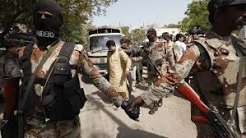

A string of recent incidents in which criminal suspects were shot dead by police in Karachi while supposedly trying to escape or resist arrest has reignited debate over the use of “encounter” killings in Pakistan’s largest city. Critics argue that bypassing the courts to deal with suspects, however serious their alleged crimes, sets a dangerous precedent for the rule of law.
Background
The issue resurfaced after the killing of a suspect accused of murdering a married woman and her three children in Karachi’s Surjani Town neighbourhood. Police said the man was in custody and being taken to recover the alleged murder weapon when he grabbed an officer’s pistol, opened fire and injured him, prompting other policemen to shoot him dead.
The incident is not isolated. About two months earlier, three suspects arrested over the robbery and murder of a doctor in Clifton were shot dead in what police described as a crossfire, after being taken to the city’s outskirts to help arrest their alleged accomplices. In July, two policemen from the Awami Colony police station were arrested and charged with attempted murder for allegedly shooting and injuring two youths in a staged encounter near Korangi’s Double Road Football Ground.
Details
These cases follow a familiar pattern that has drawn scrutiny before. In April, the Sindh High Court raised serious concerns over the killing of a suspect in a similarly suspicious encounter, warning that allowing such police conduct to continue would undermine the very purpose of the courts and erode public confidence in the justice system.
Karachi has long struggled with street crime, particularly mobile-phone snatching and robbery, and residents frequently express frustration over the deteriorating law and order situation. That frustration has, at times, fuelled public tolerance or even support for police using lethal force against suspected criminals rather than going through lengthy trials.
However, legal experts and commentators argue that extrajudicial killings cannot substitute for due process, regardless of how serious the alleged crime. Every accused person is constitutionally entitled to a fair trial, with guilt and punishment determined by courts based on evidence, not by police action in the field.
Quotes
The Sindh High Court’s warning earlier this year captured the core of the concern: permitting such police conduct to continue would erode the very purpose the judicial system exists to serve. Commentary following the Surjani Town killing has echoed that concern, noting that a suspect killed in custody can never stand trial, challenge the evidence against him, or reveal the involvement of any accomplices.
Impact
The recurrence of these incidents raises broader questions about accountability within Karachi’s police force and the credibility of investigations into crimes that end with a suspect’s death rather than a conviction. Rights advocates warn that each unchallenged encounter normalises the practice further, making it harder to hold officers accountable in genuine cases of self-defence versus staged killings.
The debate also has implications for how the public measures police effectiveness. Critics argue that the true test of a functioning justice system is not the number of suspects killed in encounters, but the number of cases where perpetrators are properly identified, prosecuted and convicted through solid evidence in court.
Conclusion
Addressing the underlying problem is likely to require sustained investment in professional investigation, forensic capacity, prosecution resources and witness protection, rather than reliance on encounters as a shortcut. Whether Karachi’s law enforcement and judicial authorities move toward strengthening that system, or whether encounter killings continue to occur without independent investigation, will shape public trust in both police accountability and the rule of law going forward.
Frequently Asked Questions
What is a police “encounter” killing?
A police encounter killing refers to an incident in which law enforcement officers shoot and kill a criminal suspect, typically justified by police as occurring during an escape attempt, an exchange of gunfire, or an act of resistance while the suspect is in custody. In Pakistan, and particularly in cities like Karachi, such incidents have drawn scrutiny because there is often no independent verification of the circumstances, and the suspect’s death prevents any judicial examination of the evidence against them. Courts and human rights organisations have repeatedly cautioned that describing a killing as an “encounter” can sometimes be used to bypass due process rather than reflect a genuine act of self-defence by police.
Why are encounter killings controversial in Pakistan’s legal system?
Encounter killings are controversial because Pakistan’s constitution guarantees every accused person the right to a fair trial, with guilt determined by courts on the basis of evidence rather than decided in the field by police. When a suspect is killed before facing trial, it removes any opportunity to test the evidence against them, identify possible accomplices, or correct a wrongful accusation. The Sindh High Court has previously warned that allowing such killings to continue undermines the judicial system’s core purpose and risks eroding public confidence in the rule of law, even in cases involving serious crimes that provoke strong public anger.
What alternatives exist to reduce reliance on encounter killings?
Legal experts and commentators generally argue that the solution lies in strengthening the broader criminal justice system rather than relying on encounters as a measure of police performance. This includes improving the quality of police investigations, ensuring proper preservation of evidence, expanding forensic capabilities, better resourcing prosecutors, protecting witnesses so they can testify without fear, and enabling courts to dispose of criminal cases more quickly. Advocates say that when suspects are reliably investigated, prosecuted and convicted through evidence-based trials, public confidence in the justice system increases without requiring the state to bypass due process.