

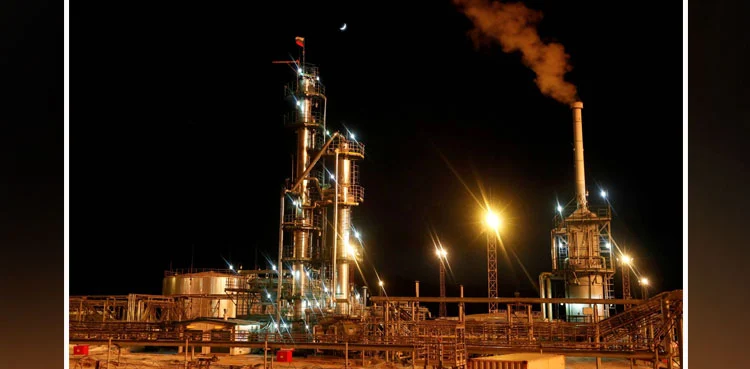

Governments race to expand artificial intelligence infrastructure as communities raise concerns over energy demand, water consumption and environmental impact.
PARIS: Governments around the world are accelerating investments in artificial intelligence (AI) data centres to support the rapid growth of AI technologies. However, the expansion has sparked increasing opposition from local communities concerned about the facilities’ impact on land, electricity, water resources and the environment.
Modern AI data centres, which house thousands of high-performance computer chips, require enormous amounts of electricity and water to operate. As a result, many proposed projects are facing growing public resistance and greater regulatory scrutiny.
Why Are AI Data Centres Facing Opposition?
Critics argue that AI data centres consume vast amounts of land, electricity and water while offering limited direct benefits to nearby communities.
Large-scale facilities can span hundreds of acres. For example, Meta’s Prometheus data centre project in Ohio is among the largest AI infrastructure developments in the United States.
In some countries, including India, local communities have raised concerns over land acquisition for technology projects, with farmers claiming they have been displaced to make way for data centre construction.
Massive Energy Consumption Raises Concerns
AI data centres are among the world’s most energy-intensive facilities due to the advanced processors required to train and operate artificial intelligence models.
Industry analysts estimate that some large AI facilities consume hundreds of megawatts of electricity—enough to power hundreds of thousands of homes.
Experts warn that rapidly increasing electricity demand could place additional pressure on national power grids and contribute to higher electricity prices in regions hosting large numbers of data centres.
Some technology companies also operate backup gas-powered generators, which have prompted environmental complaints over air pollution and greenhouse gas emissions.
Water Usage Under Scrutiny
Cooling systems are another major challenge for AI infrastructure.
High-performance chips generate significant heat, requiring large cooling systems that often depend on water.
Although data centres account for a relatively small share of overall water consumption, many are located in regions already experiencing water shortages, increasing concerns among local residents and environmental groups.
Protests and Legal Challenges Increase
Public opposition to AI infrastructure is growing in several countries.
In the United States, activist groups have organized demonstrations calling for tighter oversight of new data centre developments, while several proposed facilities have faced legal challenges from local communities.
Similar concerns have emerged across Europe and Asia, where residents have questioned the environmental impact, land use and government incentives offered to technology companies.
Projects in Spain, Japan and other countries have also faced legal objections over planning approvals and environmental risks.
Governments Introduce New Regulations
Several governments have begun introducing policies aimed at balancing AI development with environmental protection.
Australia has proposed new rules requiring data centres to improve energy efficiency and reduce water consumption.
In the United States, New York has introduced a temporary pause on certain large-scale data centre projects while officials assess their environmental impact.
Meanwhile, Amsterdam has restricted new data centre construction because of limited land and electricity capacity, while Denmark has lowered the priority of data centres in electricity allocation to reduce pressure on its national power grid.
Balancing AI Growth and Sustainability
As demand for artificial intelligence continues to grow, governments face the challenge of expanding digital infrastructure without placing excessive strain on natural resources.
Industry experts believe future AI development will increasingly depend on cleaner energy sources, improved cooling technologies and stricter environmental regulations to ensure sustainable long-term growth.