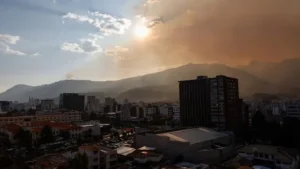

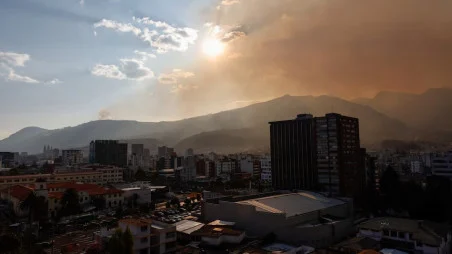

QUITO, Ecuador: Ecuador has declared a nationwide emergency over the El Nino climate phenomenon, becoming the latest Latin American country to take emergency measures as scientists warn that the current event could become one of the strongest on record.
Ecuador’s Ministry of Risk Management announced a red alert across the country on Saturday, activating emergency committees responsible for coordinating preventive evacuations and other measures to protect communities from the expected effects of El Nino.
The El Nino phenomenon is already affecting several regions around the world, with severe drought reported in parts of Central America and worsening wildfires in Indonesia.
Ecuador’s Ministry of Risk Management said it had declared a red alert nationwide in response to the ongoing El Nino episode.
The alert allows emergency committees to coordinate preventive measures, including possible evacuations in areas considered vulnerable to extreme weather.
Authorities are preparing for potential disruptions caused by changing rainfall patterns, drought, extreme heat and wildfires.
Ecuador is particularly concerned about conditions in its Amazon region, where officials expect drought and an increased risk of wildfires.
Scientists are closely monitoring the current El Nino climate event, which is expected to reach its peak toward the end of the year.
Researchers have warned that the phenomenon could contribute to record global temperatures in 2027, adding to concerns over the effects of climate change and extreme weather.
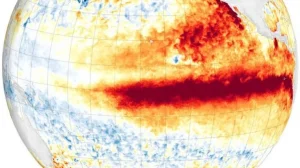
El Nino is a naturally occurring climate pattern that can have significant effects on weather conditions across different parts of the world.
During an El Nino event, surface waters in the central and eastern equatorial Pacific Ocean become unusually warm. The resulting changes can affect atmospheric circulation, winds, pressure systems and precipitation far beyond the Pacific region.
The effects of El Nino can vary significantly from one region to another.
Some areas experience excessive rainfall and flooding, while others face severe drought, heat and an increased risk of wildfires.
The current El Nino has already contributed to difficult conditions in Central America, where parts of the region are experiencing severe drought.
Indonesia has also been affected, with dry conditions exacerbating the risk and spread of wildfires.
The climate phenomenon can also affect marine ecosystems by changing ocean temperatures and disrupting fishing patterns.
Bird migration and other ecological processes can also be affected by changes in weather and ocean conditions.
Ecuador’s emergency declaration comes as authorities prepare for potentially severe conditions in the eastern part of the country.
The Ecuadorian Amazon is expected to face drought conditions and a heightened risk of wildfires.
Officials are therefore using the nationwide red alert to strengthen coordination between emergency agencies and local authorities.
Preventive evacuations may also be carried out in areas considered particularly vulnerable to the effects of extreme weather.
Authorities are expected to closely monitor conditions as the El Nino event develops.
Ecuador is not the only country in Latin America taking emergency measures because of El Nino.
Panama, Honduras and El Salvador have already declared emergencies over the climate phenomenon.
Further south, Peru has declared a state of emergency in around one-third of its cities amid concerns over extreme heat and heavy rainfall.
Peruvian authorities have warned that the combination of intense weather conditions could threaten food supplies and leave vulnerable communities without sufficient food.
The regional response highlights the broad impact that a strong El Nino event can have across Latin America.
What Is El Nino?
El Nino occurs when ocean surface temperatures in the central and eastern equatorial Pacific become significantly warmer than normal.
The warming changes atmospheric circulation and can alter weather patterns across large parts of the world.
Its effects can include drought, flooding, extreme heat, heavy rainfall and changes in agricultural conditions.
The phenomenon can also disrupt marine ecosystems because warmer ocean temperatures influence fish populations and fishing patterns.
Scientists continue to monitor ocean temperatures and atmospheric conditions to determine the strength and likely global consequences of the current event.
The latest emergency declarations demonstrate how closely governments are monitoring the developing El Nino climate phenomenon.
For Ecuador and other vulnerable countries, preparations are focused on reducing the impact of drought, wildfires, extreme heat and rainfall.
As scientists expect the current El Nino to strengthen before reaching its peak, governments across affected regions are increasing emergency preparedness.
The scale of the phenomenon and its interaction with long-term global warming will remain key areas of scientific monitoring in the months ahead.