

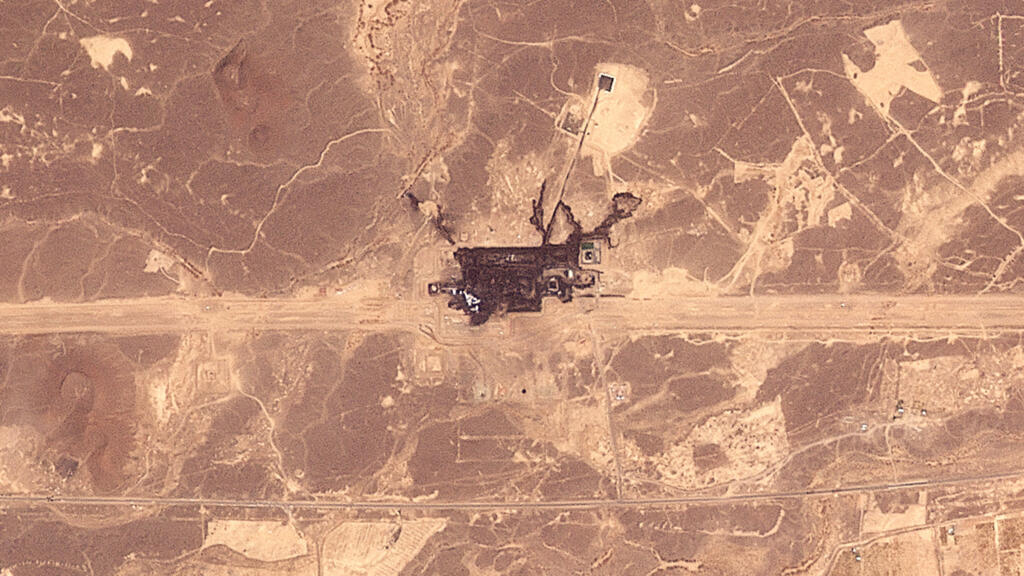

Houthi attacks on Saudi Arabia have entered one of their most serious phases in years this month, with drones and ballistic missiles striking energy facilities, air bases and border cities in the kingdom’s south. On Tuesday, Saudi authorities issued a rare emergency alert covering Mecca, Jeddah and Taif after reports that a Houthi drone was intercepted before it could reach the holy city’s airspace.
The renewed fighting has wounded dozens of people, set fire to oil and utility sites, and pulled in a newly signed defence pact between Saudi Arabia, Turkiye and Pakistan. It marks the most serious round of Houthi attacks on Saudi Arabia since a United Nations-brokered truce broke down earlier this year.
Background: How the Fighting Restarted
Saudi Arabia and the Houthis had largely held to a fragile, unofficial truce since 2022, even after a formal UN-mediated ceasefire expired. That calm cracked in August, when regular clashes resumed along the Saudi-Yemeni border after a one-year local truce lapsed.
The immediate trigger, according to several regional reports, was a Houthi attempt in July to fly a plane from Tehran to the Yemeni capital, Sanaa, challenging a decade-old air and naval blockade enforced by the Saudi-led coalition. Since then, fighting has spread across multiple fronts inside Yemen, including Hodeida, Taiz, Marib and al-Jawf, even as Houthi forces expanded their reach toward the Red Sea coast.
The conflict is also tangled up with the wider regional war between the United States and Iran, which has pushed global oil prices back toward the $100-a-barrel mark after a brief lull in August.
Details: A Week of Strikes on Saudi Cities
The clearest escalation came on September 8, when Houthi drones and missiles struck oil facilities and utilities in Abha, Jazan, Najran and Khamis Mushait, all in Saudi Arabia’s south. A Saudi-led coalition spokesman said the attacks wounded 73 people, including women and children, and forced a temporary halt to operations at several energy sites.
Jazan is home to a 400,000-barrel-a-day oil refinery, one of the kingdom’s largest. Saudi Arabia’s energy ministry confirmed fires broke out at “energy sector facilities and installations” in the south and said firefighters were still working to contain them the next morning.
A week later, on September 15, fresh Houthi missile and drone strikes hit Khamis Mushait, Abha and Taif again, wounding 13 civilians and damaging seven homes and two vehicles, according to the Saudi-led coalition. Houthi military spokesman Yahya Saree said Saudi jets flying from bases in Khamis Mushait and Taif had carried out dozens of raids on Yemeni territory in the preceding days, and vowed continued strikes on what he called Saudi military positions.
Quotes: What Officials Are Saying
Saudi coalition spokesman Maj. Gen. Turki al-Malki described the September 8 strikes as a “serious escalation” of the conflict and said the coalition would use every operational measure available to deter the Houthi movement.Saudi Foreign Minister Prince Faisal bin Farhan al-Saud said the kingdom “strongly condemns” the Houthi attacks, arguing the group puts its own narrow interests ahead of Yemen’s.
Impact: Oil Markets, Defence Pacts and Displacement
The attacks on Jazan’s refinery and other energy infrastructure have added fresh pressure to global oil supplies at a moment when the Strait of Hormuz is already constrained by the separate US-Iran war, a combination that traders say is helping push crude prices back toward triple digits.
They have also put a brand-new regional security arrangement to its first real test. Saudi Arabia, Turkiye and Pakistan signed the Mecca Joint Defence Agreement on August 7, committing to treat an attack on any one signatory as an attack on all three, language often compared to NATO’s Article 5. Pakistani Defence Minister Khawaja Asif said days after the September 8 strikes that the pact could become operational if the Yemen conflict keeps spilling into Saudi territory, though Islamabad’s foreign ministry later clarified that direct military action was not yet under active discussion.
Conclusion
With Saudi air defences now intercepting drones near Mecca itself, the Houthi attacks on Saudi Arabia show little sign of slowing, and both sides have signalled they intend to keep trading strikes. Whether the newly tested Mecca defence pact draws in Pakistan and Turkiye more directly, and whether renewed diplomacy can revive anything like the 2022 truce, are likely to shape the next phase of the conflict.
Frequently Asked Questions
Are Houthis attacking Saudi Arabia?
Yes. Since early August, Yemen’s Houthi movement has carried out repeated drone and missile strikes on southern Saudi cities including Abha, Khamis Mushait, Jazan, Najran and Taif, and on September 16 a Houthi drone was intercepted south of Mecca itself. The Saudi-led coalition says the attacks have wounded well over 70 people in total and hit oil and energy facilities, marking the most intense round of Houthi attacks on Saudi Arabia since a 2022 truce broke down.
Why is Yemen fighting Saudi Arabia?
The roots of the conflict go back to 2015, when a Saudi-led coalition intervened in Yemen’s civil war to back the internationally recognised government against the Iran-aligned Houthi movement, which controls Sanaa and much of the country’s north. A UN-brokered truce mostly held from 2022 until this year, but border clashes resumed in August after a local ceasefire expired, and the Houthis have since tied their campaign against Saudi Arabia to their broader confrontation with Israel and the US-Iran war, along with their push to control Yemen’s Red Sea coastline.
Has there been an attack on Saudi Arabia?
Yes, several. Saudi officials say Houthi drones and missiles hit oil and utility sites in Abha, Jazan, Najran and Khamis Mushait on September 8, wounding 73 people, and struck the same cities again on September 15, wounding 13 more. On September 16, Saudi air defences shot down a Houthi drone before it could reach restricted airspace over Mecca, prompting a rare civil defence alert across Mecca, Jeddah and Taif.