

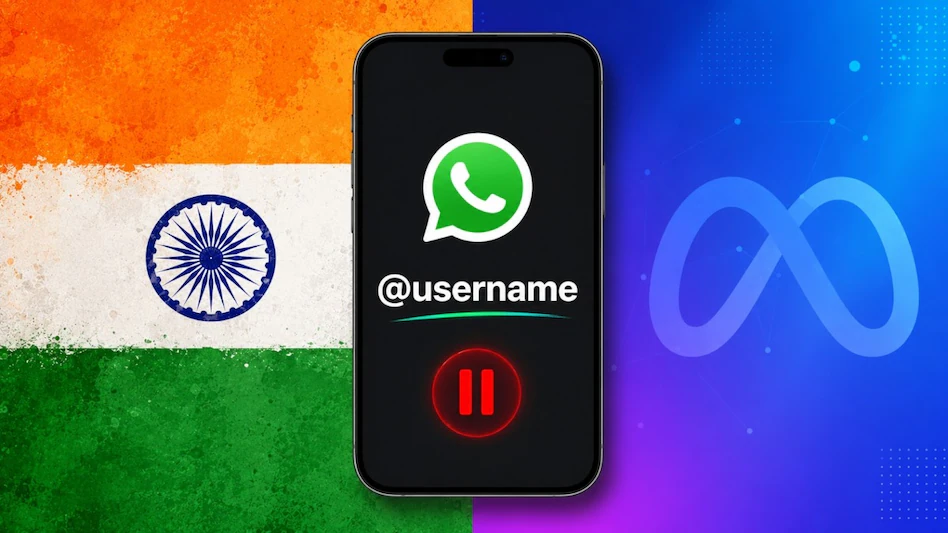

The Indian government has ordered Meta-owned WhatsApp to freeze the rollout of its highly anticipated unique usernames feature in its largest global market, demanding that the platform justify the security implications of the update or face official action. The directive, issued via an IT ministry letter, gives WhatsApp just three days to respond and halts the feature’s phased launch until formal consultations are wrapped up. The government’s primary concern centers on anonymity, warning that allowing users to connect without sharing their phone numbers could lead to an exponential rise in digital arrest scams, phishing, online fraud, and impersonation attacks.
This regulatory intervention marks a significant escalation in India’s policing of digital platforms and follows a similar playbook to the government’s temporary ban of Telegram over identical privacy-to-anonymity concerns. Meta has clarified that while the feature allows users to reserve their preferred handles, it is not yet fully live for the general public, noting that usernames for government entities, public figures, and verified accounts have already been protected to actively mitigate impersonation risks. With over 500 million users in India, the standoff places WhatsApp in a delicate position, forcing it to navigate regional compliance laws against growing pushback regarding state control over end-to-end encrypted spaces.