

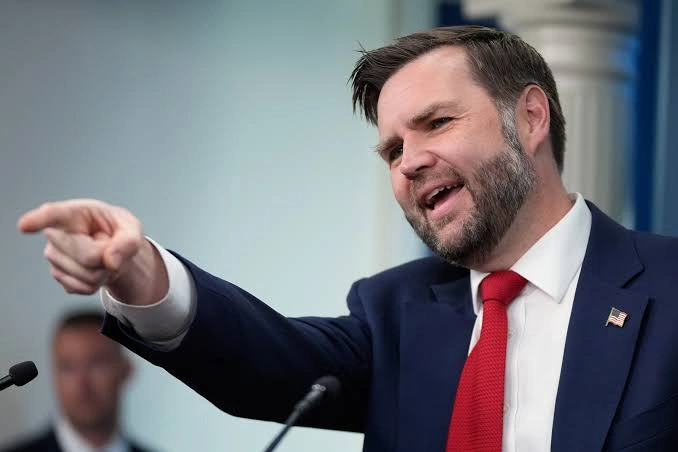

US Vice President says certain members of Israel’s government sought to undermine Washington’s diplomatic efforts to end the conflict with Iran.
US Vice President JD Vance has claimed that some members of the Israeli government attempted to influence American public opinion in an effort to weaken US support for a diplomatic agreement aimed at ending the conflict with Iran.
Speaking during an interview with podcaster Joe Rogan, which aired on Wednesday, Vance defended the US-brokered agreement reached last month to halt hostilities with Iran and accused certain Israeli officials of favoring the continuation of military operations.
“I know beyond a shadow of a doubt that there have been people within the Israeli government who are trying to shift us away from that policy because they want to continue the military campaign,” Vance said during the interview.
The vice president argued that the agreement represented the best path toward reducing regional tensions and preventing a prolonged conflict in the Middle East.
Vance also alleged that a coordinated campaign had sought to influence public opinion in the United States against the diplomatic initiative.
“There’s a foreign influence campaign being funded to undermine the very deal that I was pursuing,” he said, referring to a report published by Time magazine that discussed an alleged digital advocacy campaign related to US policy toward Israel and Iran.
According to Vance, some individuals linked to the Israeli political establishment were attempting to shape American public opinion in favor of extending military operations rather than supporting negotiations.
Vance’s remarks reflect increasingly visible policy differences between Washington and some members of Israel’s leadership over how to address regional security challenges and relations with Iran. While the United States and Israel remain close strategic allies, recent public comments by senior officials have highlighted differing views on diplomacy, military strategy, and long-term regional stability.
The vice president has previously expressed positions that differ from those of some Israeli officials, particularly regarding the balance between diplomatic engagement and military action.
The comments come as the Middle East continues to face heightened geopolitical tensions following recent military exchanges involving Iran and ongoing diplomatic efforts to prevent further escalation. Officials in both Washington and Jerusalem have repeatedly emphasized the importance of maintaining strong bilateral relations despite differences over specific policy approaches. Neither the Israeli government nor the White House immediately issued additional public comments in response to Vance’s latest remarks.
Analysts say the statements are likely to fuel further debate over US foreign policy in the Middle East and the role of diplomacy in addressing regional conflicts.