

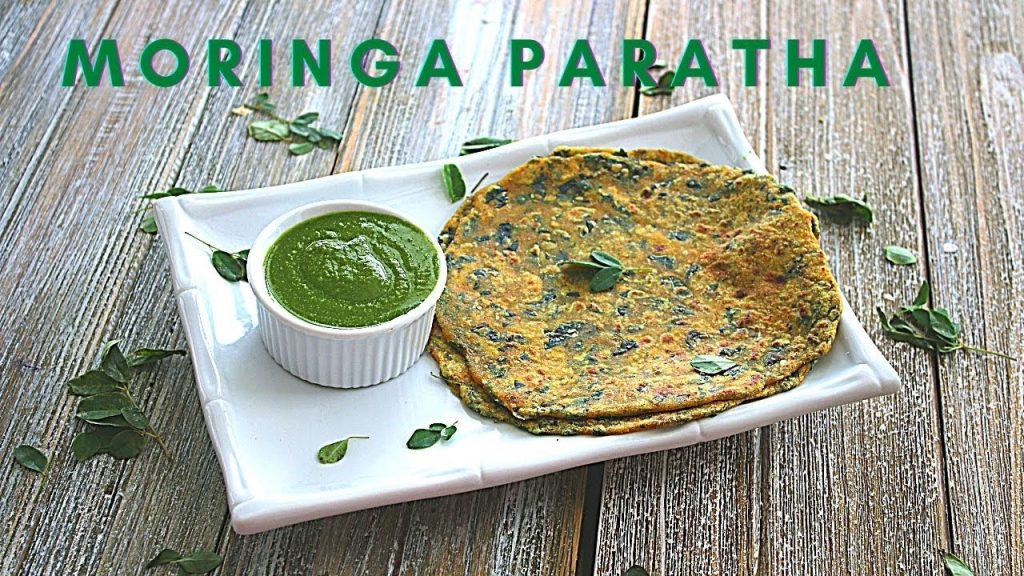

Moringa paratha is turning ordinary roti time into something a lot more interesting. Cooks are swapping plain wheat dough for one mixed with moringa leaves or moringa powder, and the result is a green, nutrient-dense flatbread that tastes earthy, slightly nutty, and pairs well with almost any curry. It costs nothing extra to make and takes barely more time than a regular paratha.
Where Moringa Paratha Comes From
Moringa, often called the “miracle tree,” grows fast even in hot, dry regions where most crops struggle. It shoots up tall, gives umbrella-like shade, and produces fragrant white flowers along with the long seed pods known as drumsticks. Because the tree survives with so little water and care, its leaves have long been used in South Asian and African kitchens as a cheap, reliable source of greens.
Home cooks and nutritionists have pushed moringa leaves into new dishes over the past few years, moving beyond the usual drumstick curry. Moringa paratha is one of the simpler results of that experimenting. It uses the same base dough as a regular paratha, with either fresh chopped moringa leaves or dried moringa powder worked into it.
Moringa Paratha Recipe: Full Method
Making moringa paratha at home does not require any special equipment. A rolling board, a tawa, and the usual paratha ingredients are enough.
Ingredients
- 2 cups whole wheat flour
- 2 to 3 tablespoons fresh moringa leaves, finely chopped (or 1 tablespoon moringa powder)
- 1 small onion, finely chopped
- 1 green chili, finely chopped
- 1/2 teaspoon cumin seeds
- Salt to taste
- Water, as needed for kneading
- Ghee or oil, for cooking
Method
Mix the wheat flour with chopped moringa leaves (or moringa powder), onion, green chili, cumin seeds, and salt in a large bowl. Add water gradually and knead into a soft, pliable dough, similar to what you would use for a regular paratha. Cover the dough and let it rest for about 15 minutes.
Divide the dough into equal-sized balls. Roll each ball out on a floured surface into a flat, round disc, about the same thickness as a normal paratha. Heat a tawa on medium flame and place the rolled dough on it.
Cook the paratha on one side until small bubbles start to form, then flip it. Brush ghee or oil on the cooked side and flip again, pressing gently with a spatula so it cooks evenly and turns golden brown with light crisp edges. Repeat the process for the remaining dough balls, and serve the parathas hot with yogurt, pickle, or a simple curry on the side.
What Nutrition Experts Say About Moringa
Nutritionists frequently point to moringa leaves as one of the more affordable sources of iron, calcium, and vitamin A available in a typical South Asian kitchen. Dietitians working in community health programs often recommend adding moringa to everyday staples like roti or paratha, since it means people get the nutritional benefit without changing their eating habits or budget. This is also why moringa powder has become popular as an alternative to fresh leaves, particularly in areas where the plant isn’t grown locally or leaves aren’t sold year-round.
Health experts do add a note of caution alongside the praise. Moringa is generally considered safe in food-level quantities, but people on blood-thinning medication, pregnant women, and those with certain thyroid conditions are usually advised to check with a doctor before consuming it in concentrated forms like supplements or high-dose powder.
Why Moringa Paratha Is Gaining Attention
The rise of moringa paratha fits into a broader shift toward using local, low-cost greens instead of relying purely on packaged supplements for extra nutrition. In regions where moringa trees grow easily and cheaply, it gives households a practical way to add greens to a meal that is already part of daily cooking, rather than treating “healthy eating” as something separate and expensive.
Food bloggers and recipe channels, including well-known names like Hebbar’s Kitchen, have also helped popularize moringa-based dishes online, introducing moringa paratha and similar recipes to audiences well beyond the regions where the tree is traditionally used. That online exposure has pushed more home cooks to try moringa leaves in parathas, dals, and soups instead of sticking to the traditional drumstick curry alone.
Conclusion
Moringa paratha is a low-effort way to bring more nutrition into a meal that most households already cook daily. Whether made with fresh leaves during the season or with moringa powder the rest of the year, the recipe stays flexible and simple enough for a weekday breakfast or dinner. As more people look for ways to eat healthier without overhauling their routine, dishes like this one are likely to keep showing up on more tables.
Frequently Asked Questions
What are the benefits of moringa paratha?
Moringa paratha combines the everyday convenience of a regular flatbread with the nutritional value of moringa leaves, which are a known source of iron, calcium, vitamin A, and antioxidants. Eating it regularly can support better digestion and immunity when it’s part of a balanced diet, and it gives people a simple way to add greens to a meal without preparing a separate vegetable dish. Because moringa leaves have a mild, slightly earthy taste, they blend into the dough without overpowering the flavor of the paratha itself.
Who should not use moringa?
Pregnant women are usually advised to be cautious with moringa, especially in concentrated forms such as supplements, since some parts of the plant have been linked to uterine contractions in traditional use. People taking blood-thinning or blood-pressure medication should also speak with a doctor first, as moringa may interact with certain drugs. Those with thyroid conditions are sometimes told to limit intake as well, since moringa can affect thyroid hormone levels in larger doses. Eating moringa paratha occasionally in normal food quantities is considered safe for most healthy adults, but anyone with an existing medical condition should check with a healthcare provider before making it a regular part of their diet.
Can we make moringa leaves paratha?
Yes, moringa leaves paratha is made the same way as the powder version, just with fresh chopped moringa leaves mixed directly into the wheat flour dough instead of dried powder. Fresh leaves give the paratha a slightly stronger flavor and a more vibrant green color compared to using powder. The leaves need to be washed thoroughly and chopped finely so they blend evenly into the dough and cook through properly on the tawa. This version works well when moringa trees are in season and fresh leaves are easy to find at local markets.