
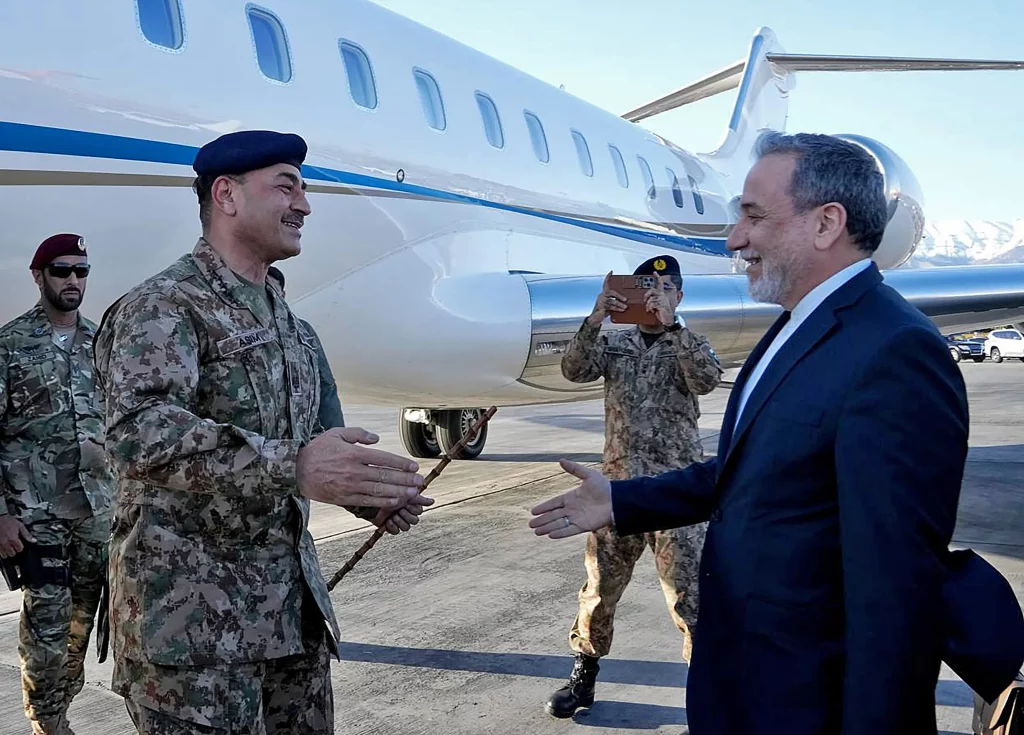

Pakistan says significant progress has been made in ongoing Iran peace talks aimed at ending the war between Tehran and Washington, as Pakistan’s army chief Asim Munir wrapped up another high-level visit to Iran this week. The update adds fresh momentum to Islamabad’s role as the primary mediator between the two sides.
Background
Pakistan has positioned itself as the central go-between in the conflict since hosting the first direct US-Iran negotiations in more than four decades, known as the Islamabad Talks, held on 11 and 12 April 2026. Those initial talks ended without a breakthrough, but they opened a diplomatic channel that Islamabad has worked to keep alive ever since.
Since then, Pakistan’s role has deepened considerably. Field Marshal Asim Munir has made repeated trips to Tehran throughout the year, meeting Iranian President Masoud Pezeshkian, Foreign Minister Abbas Araghchi, and top negotiator Mohammad Bagher Ghalibaf, while Prime Minister Shehbaz Sharif and Foreign Minister Ishaq Dar have worked parallel channels with Washington, Riyadh, Doha, and Ankara.
Details
Pakistan Iran News: Munir’s Latest Tehran Visit
Munir’s most recent trip to Tehran came this week, following earlier visits in April and May. According to Pakistan’s military media wing, the Inter-Services Public Relations, the talks with Iran’s top negotiator and foreign minister produced encouraging movement toward a broader understanding, even as officials cautioned that gaps between the sides remain.
This latest Islamabad talks track comes as the diplomatic process built around the Islamabad Memorandum of Understanding has slowed in recent weeks, with Washington reportedly preparing a fresh round of sanctions even as negotiations continue. Analysts say Munir’s visits function primarily as a military-to-military channel into Iran’s security establishment, which has taken on growing influence over decisions about war and peace inside Tehran.
US-Iran Talks in Islamabad and Pakistan’s Mediator Role
Pakistan’s foreign ministry has repeatedly stressed that its role is to facilitate dialogue rather than dictate outcomes. Spokesperson Asim Iftikhar Ahmad said Pakistan and Qatar had held separate meetings with US and Iranian negotiators in Doha, building on discussions tied to the Islamabad framework, and that both sides agreed to continue talks with a further meeting to be scheduled soon.
Some regional analysts note that Qatar, not Pakistan, remains the primary political mediation channel between Washington and Tehran, while Islamabad’s contribution runs through its unique military and security relationship with Iran. Even so, Pakistani officials have consistently described the continuation of talks itself as a meaningful positive outcome given the alternative of renewed large-scale conflict.
Iran Delegation in Pakistan and Bilateral Cooperation
Beyond the war-related diplomacy, Iranian delegations have made frequent visits to Islamabad this year covering trade and economic cooperation. Iran’s Minister for Industry, Mine and Trade, Mohammad Atabak, led a delegation to Islamabad in early August for the 10th Pakistan-Iran Joint Trade Committee meeting, where both countries reaffirmed a target of raising bilateral trade to $10 billion through expanded border trade and new investment initiatives.
Pakistan’s Defense Minister Khawaja Asif also struck an optimistic tone on the broader diplomatic track in recent weeks, telling reporters that “things are shaping up in favor of peace,” a comment that briefly moved global oil markets given ongoing concerns about the Strait of Hormuz.
Quotes
Iran’s foreign ministry spokesperson Esmaeil Baghaei said Tehran’s priority remains ending the threat of renewed US attacks and de-escalating the broader regional conflict, including tensions in Lebanon, where Iran-allied Hezbollah forces continue to face Israeli troops in the south.
Ghalibaf, Iran’s top negotiator, said Iran would continue pursuing its “legitimate rights” through both diplomacy and, if necessary, on the battlefield, adding that Iran’s armed forces had used the ceasefire period to rebuild capabilities and that any resumption of US attacks would draw a more forceful response than before.
Pakistan’s military statement following Munir’s latest Tehran visit described the discussions as “highly productive,” a phrase Islamabad has used after each of Munir’s visits this year to signal continued momentum without overstating any single meeting’s outcome.
Impact
Pakistan’s sustained mediation role carries significant weight for regional stability, particularly given the risk that renewed US-Iran hostilities could reignite conflict affecting the Strait of Hormuz, a critical global oil shipping route. Continued Pakistan Iran news coverage this year has repeatedly tied progress in these talks to short-term movements in global energy markets.
For Pakistan itself, its position as trusted mediator has raised its diplomatic profile considerably, coming just years after past friction with Washington. The country has simultaneously deepened its own defense ties in the region, including a trilateral defense pact with Saudi Arabia and Turkey signed earlier this month, alongside its continued Iran outreach.
Regionally, the outcome of these talks will shape whether the fragile ceasefire holds or whether renewed fighting resumes, with direct consequences for neighboring Gulf states, Lebanon’s ongoing conflict involving Hezbollah, and broader Middle Eastern stability heading into the final months of the year.
Conclusion
With Munir’s latest visit to Tehran now concluded and both Pakistani and Iranian officials describing the talks in positive terms, attention will turn to whether the next round of negotiations, expected soon, can turn this reported progress into something more concrete and lasting. For now, Pakistan continues to treat the mere continuation of dialogue as a meaningful outcome in itself.
Frequently Asked Questions
Is Pakistan helping Iran or not?
Pakistan has positioned itself as a neutral mediator rather than a direct backer of either side in the US-Iran conflict, hosting talks, relaying messages, and maintaining military and diplomatic channels with Tehran while also engaging closely with Washington, Saudi Arabia, and other regional partners. Pakistani officials have publicly emphasized that Islamabad’s goal is regional stability and de-escalation rather than taking sides militarily, though its historic and religious ties with Iran, along with a shared border, have made it a natural and trusted communication channel for Tehran specifically.
Did Iran recently strike Pakistan?
There have been past incidents of cross-border strikes between Iran and Pakistan tied to militant activity along their shared border, including a notable exchange of strikes in January 2024 targeting separatist and militant groups each country accused the other of harboring. However, the current diplomatic engagement between the two nations, including Pakistan’s mediation role in the broader Iran-US conflict, has largely been separate from those earlier border tensions, with both governments emphasizing cooperation and dialogue rather than confrontation throughout this year’s talks.
What is the issue between Pakistan and Iran?
While Pakistan and Iran generally maintain close diplomatic and economic ties, the relationship has occasionally been strained by border security concerns, particularly militant and separatist activity in the Balochistan region that straddles both countries. Beyond these periodic border tensions, the two nations share deep historical, cultural, and religious connections, and current relations are largely defined by cooperation, including growing trade ties, energy cooperation, and Pakistan’s active role in helping mediate the broader regional conflict between Iran and the United States rather than any major bilateral dispute between Islamabad and Tehran themselves.