

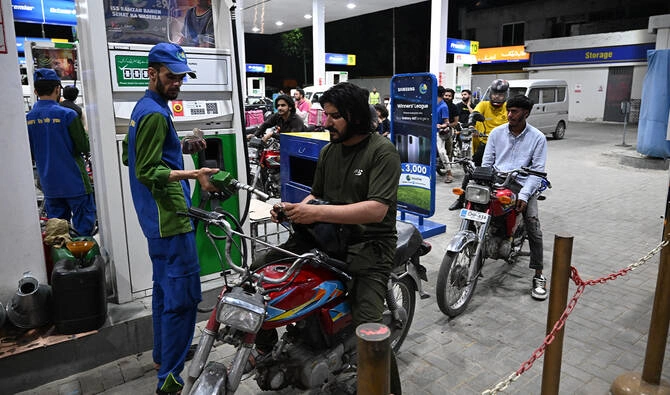

For years, fuel price announcements in Pakistan followed a familiar pattern. Every Friday night, the government would announce revised petrol and diesel prices, prompting widespread public reaction and dominating television news, social media and political debate. Sudden increases were often described as a “petrol bomb,” while decreases offered only brief relief before the next adjustment cycle.
That long-standing system has now been replaced with a daily petroleum pricing mechanism, marking one of the most significant changes to Pakistan’s fuel market in decades.
Supporters believe the reform will make fuel prices more transparent, align domestic rates more closely with international markets and reduce opportunities for speculative stockpiling. Critics, however, argue that daily revisions could create new operational challenges for retailers and businesses.
Under the previous mechanism, the government revised petroleum prices weekly using a five-day average of international Platts benchmark prices.
Because several days of international price movements were combined into a single adjustment, domestic fuel prices often changed sharply. Consumers, transporters and businesses experienced sudden increases or decreases rather than gradual market movements.
Whenever global oil prices rose because of geopolitical tensions, supply disruptions or market uncertainty, Pakistani consumers typically faced a sizeable increase announced in one go.
What Has Changed?
The new mechanism introduces daily fuel price revisions based on a seven-day rolling average of international Platts prices.
Although prices are now reviewed every day instead of every week, the longer averaging period helps smooth short-term volatility.
Rather than experiencing one large price adjustment at the end of the week, consumers are expected to see smaller daily changes that more closely reflect movements in international oil markets.
Energy experts say this approach is commonly used in several liberalised fuel markets to improve price transparency and reduce sudden market shocks.
Government Expects Greater Market Stability
Officials believe the revised pricing mechanism will make Pakistan’s petroleum market more responsive to global developments while limiting abrupt price fluctuations.
Instead of allowing international price changes to accumulate for several days before being passed on to consumers, the new framework spreads those adjustments across daily revisions.
The government argues this could reduce uncertainty for the overall market and provide a more predictable pricing environment over time.
One of the government’s key objectives is to discourage speculative purchasing within the petroleum supply chain.
Under the previous system, retailers and distributors could often anticipate significant price increases or decreases before the official announcement.
When higher prices were expected, some dealers increased fuel purchases to benefit from future price gains. Conversely, expectations of lower prices sometimes encouraged businesses to delay purchases, creating temporary supply imbalances.
Officials believe daily price revisions will reduce these incentives because price differences from one day to the next are expected to be relatively small, making speculative stockpiling less profitable.
Impact on Oil Marketing Companies
The reform may also reduce inventory-related financial gains and losses experienced by Oil Marketing Companies (OMCs) and fuel retailers.
Previously, companies frequently purchased fuel at one price and sold it after substantial price revisions, resulting in either significant profits or losses depending on market direction.
With more frequent adjustments, inventories are expected to be sold much closer to prevailing international prices, reducing the financial impact of large price swings.
Benefits for Consumers and the Economy
According to supporters of the reform, the daily pricing model offers several potential advantages:
- Closer alignment with international oil prices.
- Smaller and more gradual fuel price changes.
- Reduced opportunities for speculative hoarding.
- Improved transparency in petroleum pricing.
- Better supply chain efficiency.
- Lower risk of sudden fuel shortages before major price revisions.
Despite its potential benefits, the transition is not without difficulties.
Petrol pumps and Oil Marketing Companies will need to upgrade software, billing systems and operational processes to accommodate daily price updates.
Businesses dependent on fuel costs—including transport companies, logistics operators and manufacturers—may also need to adjust budgeting practices to account for more frequent price movements.
Some industry representatives have expressed concerns that the administrative burden of updating prices every day could increase operating costs, particularly for smaller retailers.
The move to daily petroleum pricing represents one of the most significant reforms in Pakistan’s fuel sector in recent years.
While international oil prices will continue to influence domestic fuel costs, the new mechanism changes how those fluctuations reach consumers. Instead of dramatic weekly price announcements dominating headlines, adjustments are expected to become more gradual and reflective of real-time market conditions.
Whether the reform ultimately delivers greater market efficiency, improved supply stability and enhanced consumer confidence will depend on its implementation and the government’s ability to address operational challenges facing the petroleum industry.