

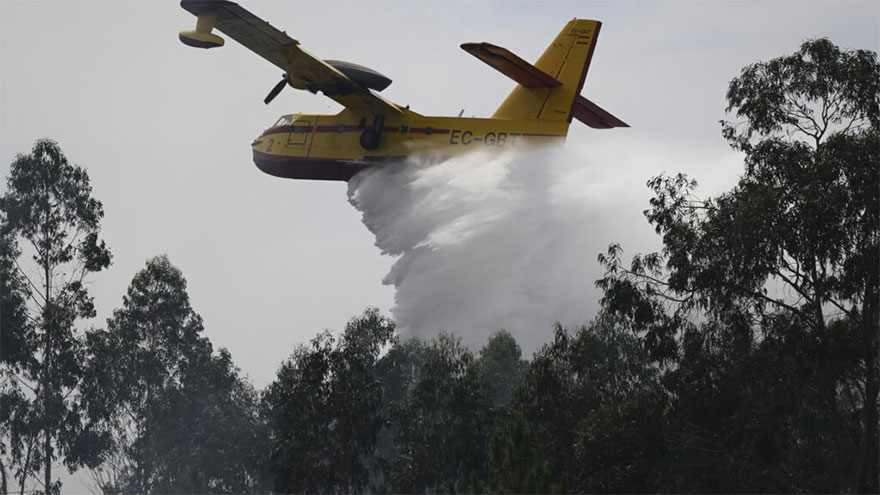

A devastating wave of early-season wildfires has torn across southern Europe, forcing thousands of emergency evacuations and burning through more than 19,000 hectares of protected land. Scorching heatwaves have gripped Portugal, Spain, France, and Greece, pushing summer temperatures back up toward the dangerous 40-degree Celsius threshold. The sheer speed and scale of the blazes have caught regional emergency services off guard, with several municipal teams noting that the core summer wildfire season has effectively arrived an entire month earlier than historically anticipated.
In southwestern France, nearly 10,500 residents were evacuated from communities surrounding the city of Perpignan as an intense mountainside blaze in Trevillach consumed over 1,650 hectares of forest. Similar crises have unfolded along Spain’s northeastern Costa Brava coast, where an aggressive wildfire blackened 2,200 hectares within two days and prompted local police to detain a suspect in connection with the outbreak. Meanwhile, Portuguese emergency response networks deployed more than 1,200 firefighters alongside cross-border aerial reinforcements sent from Italy and Spain to battle a massive 13,000-hectare inferno that has already left nine people injured.
The destructive fires follow a historically brutal heatwave in June that climatologists from the World Weather Attribution group concluded would be virtually impossible without the accelerating effects of global climate change. Public health authorities across Europe are heavily alarmed by the long-term outlook, especially after the previous month’s extreme temperatures were linked to thousands of excess deaths across France, Spain, and Belgium. As meteorological alerts elevate and the heat dome expands further north, regional fire chiefs warn that local communities must adopt emergency prevention protocols to survive what is shaping up to be a prolonged and grueling summer battle.