

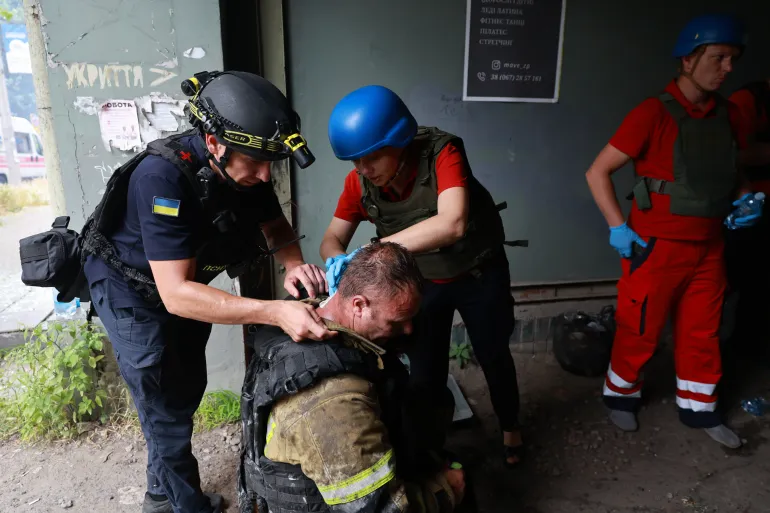

Russia vs Ukraine: The Latest Developments That Could Change the War
Escalating Drone Strikes, Frontline Battles, and Global Pressure Signal a New Phase in the Russia–Ukraine Conflict
A Powerful Opening Hook
More than four years after Russia launched its full-scale invasion of Ukraine, the conflict is entering another critical chapter. The latest battlefield developments suggest both sides are adapting their strategies in ways that could reshape the course of the war. From deep drone strikes inside Russian-controlled territory to renewed offensives along the eastern front, military commanders are pursuing tactics that extend well beyond conventional battlefield operations.
While neither Moscow nor Kyiv has secured a decisive advantage recent events have intensified international attention and renewed questions about whether the conflict is approaching another major turning point.
Ukraine Expands Long-Range Attacks on Russian Military Infrastructure
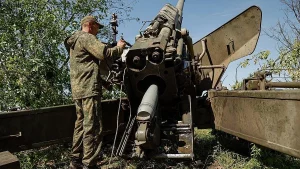
One of the most significant changes in recent weeks has been Ukraine’s growing reliance on long-range drone operations.
Ukrainian forces have increasingly targeted ammunition depots, fuel storage facilities, logistics hubs, railway networks, and military infrastructure inside Russian controlled territory and occupied Crimea. Military analysts believe these strikes are designed to weaken Russia’s supply chains rather than simply inflict tactical damage on the front lines.
By disrupting logistics Ukraine hopes to reduce Russia’s ability to sustain prolonged offensive operations while increasing pressure on military commanders responsible for supplying troops across multiple fronts.
Officials in Kyiv argue that these attacks are aimed exclusively at military objectives supporting Russia’s war effort.
Russia Maintains Pressure Across Eastern Ukraine
Despite Ukraine’s expanding drone campaign, Russian forces continue pressing offensive operations in eastern Ukraine.
Heavy fighting has persisted in several sectors of the Donetsk region, where Russian troops are attempting gradual territorial advances through sustained artillery bombardments and infantry assaults.
Military observers note that Russia continues relying on numerical superiority and extensive firepower, while Ukraine focuses on defensive positions supported by precision strikes and advanced surveillance technologies.
Although both sides regularly report battlefield gains, many claims cannot be independently verified because access to active combat zones remains extremely limited.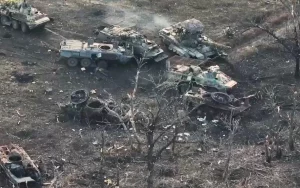
Drone Warfare Is Redefining Modern Combat
Perhaps the most striking feature of today’s conflict is the growing importance of unmanned systems.
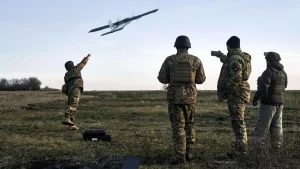
Both Russia and Ukraine now depend heavily on reconnaissance drones, attack drones, electronic warfare systems, and long-range unmanned aircraft capable of striking targets hundreds of kilometers from the battlefield.
Experts say the war has effectively become a testing ground for next-generation military technology, influencing how armed forces around the world are preparing for future conflicts.
The rapid evolution of drone warfare has forced both militaries to invest heavily in electronic countermeasures, air defense systems, and domestic drone production.
Crimea Remains a Strategic Flashpoint
Russian controlled Crimea continues to play a central role in the conflict.
Ukraine has repeatedly targeted transport infrastructure, military headquarters, naval facilities, and fuel depots located on the peninsula. Kyiv argues that these locations are legitimate military objectives because they support Russian operations across southern Ukraine.
Meanwhile, Russian authorities continue strengthening defensive positions throughout Crimea while expanding air defense coverage against incoming drone attacks.
Military analysts believe control of logistical routes connected to Crimea will remain one of the war’s most strategically important objectives.
International Military Support Continues
Western governments remain committed to supporting Ukraine through military assistance, financial aid, intelligence cooperation, and humanitarian support.
Several NATO members continue supplying advanced air defense systems, armored vehicles, artillery ammunition, and training programs for Ukrainian forces.
At the same time, international leaders continue searching for diplomatic solutions, although negotiations remain stalled as both Moscow and Kyiv maintain sharply different positions regarding occupied territories and future security guarantees.
Why These Developments Could Change the War
The latest battlefield developments may prove significant because they demonstrate a gradual shift in how the conflict is being fought.
Rather than focusing exclusively on capturing territory, both sides are increasingly targeting military infrastructure, logistics, industrial capacity and economic resources.
Military experts believe this strategy could influence the long-term balance of the conflict by reducing each side’s ability to sustain large-scale operations.
If Ukraine succeeds in consistently disrupting Russian supply networks while maintaining defensive positions, it could slow future Russian offensives. Conversely continued Russian pressure along multiple fronts may stretch Ukraine’s manpower and resources over time.
The outcome will likely depend not only on battlefield performance but also on industrial production international support and economic resilience.
Global Impact
The Russia–Ukraine war continues to influence far more than regional security.
Global energy markets remain sensitive to developments in the conflict, while disruptions to grain exports and shipping routes continue affecting international food prices.
Governments across Europe have increased defense spending, accelerated military modernization programs, and strengthened cooperation within NATO.
Technology companies are also closely monitoring the conflict because of its growing reliance on artificial intelligence, drones, cyber operations, and electronic warfare.
Public Reaction
The latest escalation has generated widespread discussion across social media and international news platforms.
Supporters of Ukraine argue that continued military assistance remains essential for defending the country’s sovereignty, while others emphasize the urgent need for renewed diplomatic efforts to prevent further escalation.
Military analysts continue debating whether long-range strikes inside Russian-controlled territory will significantly alter battlefield dynamics or simply prolong the conflict.
Public concern also remains high regarding humanitarian conditions, civilian casualties, and the long-term economic consequences of Europe’s largest war since World War II.
What Happens Next?
Attention is now focused on several key developments expected over the coming weeks:
- Continued Ukrainian long-range drone operations.
- Russian offensives in eastern Ukraine.
- Increased Western military assistance.
- Additional sanctions and diplomatic initiatives.
- Potential new negotiations if battlefield conditions change.
Although military momentum may shift in localized areas, many defense experts believe the conflict is likely to remain prolonged unless major political or strategic changes occur.
Conclusion
The Russia Ukraine war continues to evolve into a technologically advanced and strategically complex conflict. Drone warfare, precision strikes, and attacks on critical logistics have become as important as traditional battlefield operations.
With both Russia and Ukraine adapting their military strategies while international powers remain deeply involved, the coming months could prove decisive. Whether these latest developments ultimately change the direction of the war remains uncertain, but they are already reshaping how modern conflicts are fought and how the world responds to them.