

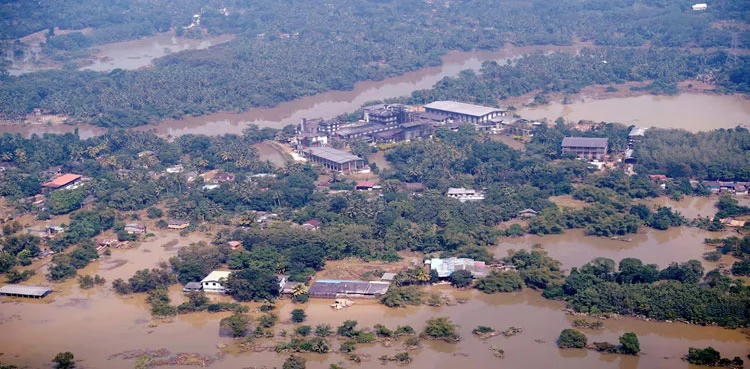

COLOMBO: Sri Lanka has warned that the country could face a severe drought followed by widespread flooding as the El Niño weather phenomenon intensifies, prompting authorities to prepare for extreme weather conditions expected over the coming months.
Environment Minister Dhammika Patabendi said the government is closely managing irrigation systems and drinking water reserves as forecasts indicate an extended dry spell lasting until the end of September.
He urged residents to conserve potable water, warning that shortages are likely over the next two months due to declining water levels and reduced rainfall.
While the country braces for drought, officials are also preparing for the arrival of the northeast monsoon in October, which is expected to bring heavy rainfall and increase the risk of widespread flooding.
Patabendi advised farmers to begin the country’s main rice cultivation season about two weeks earlier than usual in an effort to protect crops from potential flood damage.
“We need to start cultivation earlier than normal and strengthen flood management measures, particularly to safeguard rice production,” the minister said.
Although Sri Lanka has not yet released an estimate of the potential economic losses linked to El Niño, the government has established a ministerial task force to coordinate disaster preparedness and reduce the impact of the anticipated weather conditions.
Officials said the country’s hydroelectric reservoirs are currently operating at around 57 percent capacity. To preserve water supplies, authorities plan to rely more heavily on solar energy during daylight hours, reducing pressure on hydropower resources.
Experts have also warned that intense rainfall later this year could trigger landslides in Sri Lanka’s mountainous regions, which remain vulnerable after being heavily damaged by Cyclone Ditwah last November.
The cyclone affected almost the entire island nation of 22 million people, killing nearly 650 people and causing widespread destruction.
According to the World Bank, damage to infrastructure alone from the cyclone was estimated at approximately $4.1 billion.
Scientists say climate change is making extreme weather events more frequent and intense worldwide.
The return of El Niño, which raises sea surface temperatures across the central and eastern Pacific Ocean, is expected to alter global wind and rainfall patterns, increasing the likelihood of droughts in some regions and severe flooding in others.
Sri Lankan authorities say they will continue monitoring weather conditions while urging the public to use water responsibly and remain prepared for the changing climate in the months ahead.