

Study Finds Younger Generations May Be Ageing Faster, Increasing Early Cancer Risk
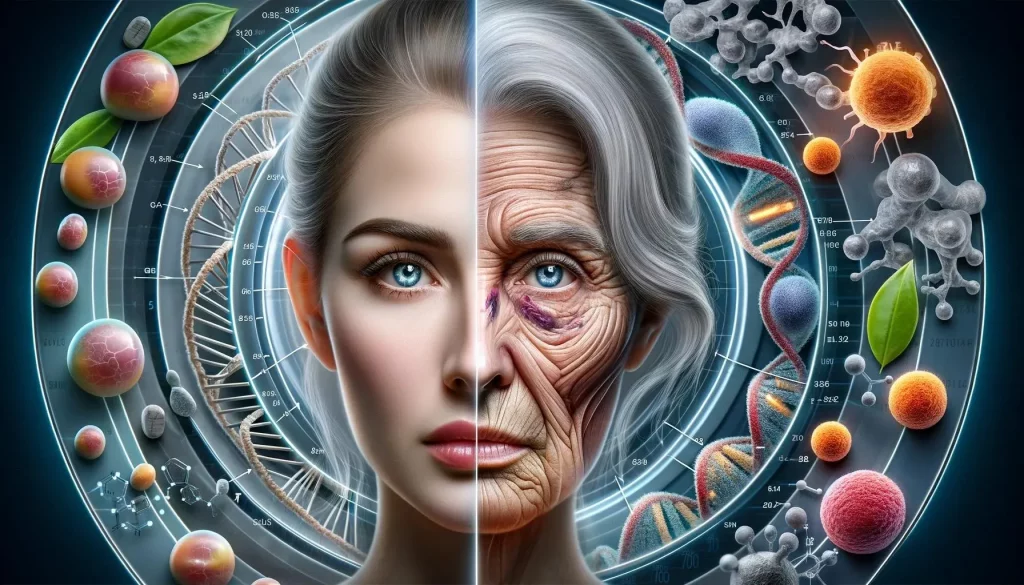
A new scientific study suggests that younger generations may be experiencing accelerated biological ageing, a trend researchers say could help explain the rising number of cancer cases diagnosed before the age of 55. The findings add to growing evidence that modern lifestyles and environmental factors may be affecting long-term health in unexpected ways.
Unlike chronological age, which measures the number of years a person has lived, biological age reflects how quickly the body’s cells and organs are ageing. Researchers analyzed blood samples and health records from more than 164,000 people in the United Kingdom and the United States, comparing different generations to determine whether biological ageing has accelerated over time.
The study found that people born in more recent decades showed signs of faster biological ageing than those born earlier. Individuals with higher biological age were more likely to develop early-onset cancers, particularly cancers affecting the lungs, digestive system, and uterus.
Researchers stressed that the findings do not prove accelerated ageing directly causes cancer. Instead, they show a strong association that could help scientists better understand why cancer rates among younger adults have been increasing globally.
Experts say factors such as poor diet, obesity, lack of physical activity, chronic stress, environmental pollution, and disrupted sleep patterns may contribute to faster biological ageing. However, further research is needed to determine the exact causes and identify effective prevention strategies.
The researchers hope their findings will lead to improved methods for identifying people at higher risk of early-onset cancers and help shape future prevention, screening, and public health strategies.