

WHO Declares Deadly Hantavirus Outbreak Over
Last quarantine ends after 13 cases, 3 deaths aboard cruise ship
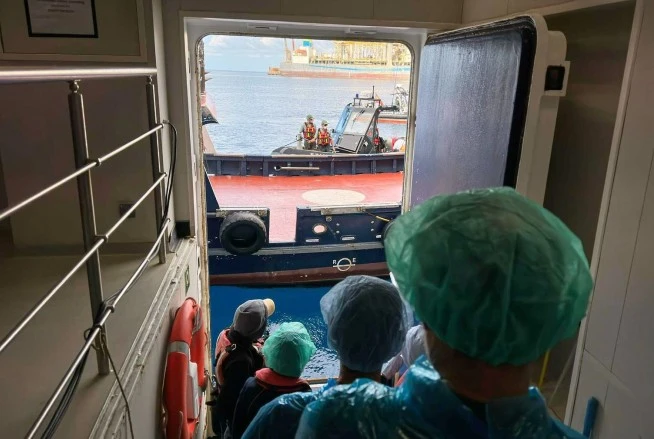
The World Health Organization (WHO) has officially declared the deadly hantavirus outbreak linked to the cruise ship MV Hondius over after the last person under quarantine completed monitoring without testing positive.
The outbreak began during a polar expedition cruise that departed from Ushuaia, Argentina, on April 1 with 175 passengers and crew travelling to remote Atlantic and Antarctic destinations. Health authorities confirmed 12 cases and one probable case of the virus, while three passengers lost their lives.
The first victim, a 69-year-old Dutch passenger, became ill several days into the voyage and died aboard the ship on April 11. His wife and a German passenger later also died after developing symptoms caused by the Andes strain of hantavirus, a rare rodent-borne virus that can also spread between people through close contact.
As the outbreak unfolded, the vessel spent weeks at sea after several ports refused entry. It was eventually allowed to dock in Tenerife, Spain, on May 9. Health officials launched a large-scale international contact-tracing operation involving more than 650 people across nearly 36 countries, including 18 passengers from the United States who completed quarantine after returning home.
According to the WHO, investigators believe the virus was likely contracted on land in Patagonia, where the Andes variant is known to circulate.
With no new infections reported since May 25, WHO Director-General Tedros Adhanom Ghebreyesus announced that the organization now considers the outbreak officially over.
Despite the declaration, WHO officials warned that hantaviruses continue to pose a public health threat in parts of South America and other endemic regions. The organization has launched a multinational research project involving 21 countries to improve understanding of the disease and accelerate the development of effective treatments.
Health experts stressed that continued surveillance and preparedness remain essential to detect and respond quickly to any future outbreaks.