

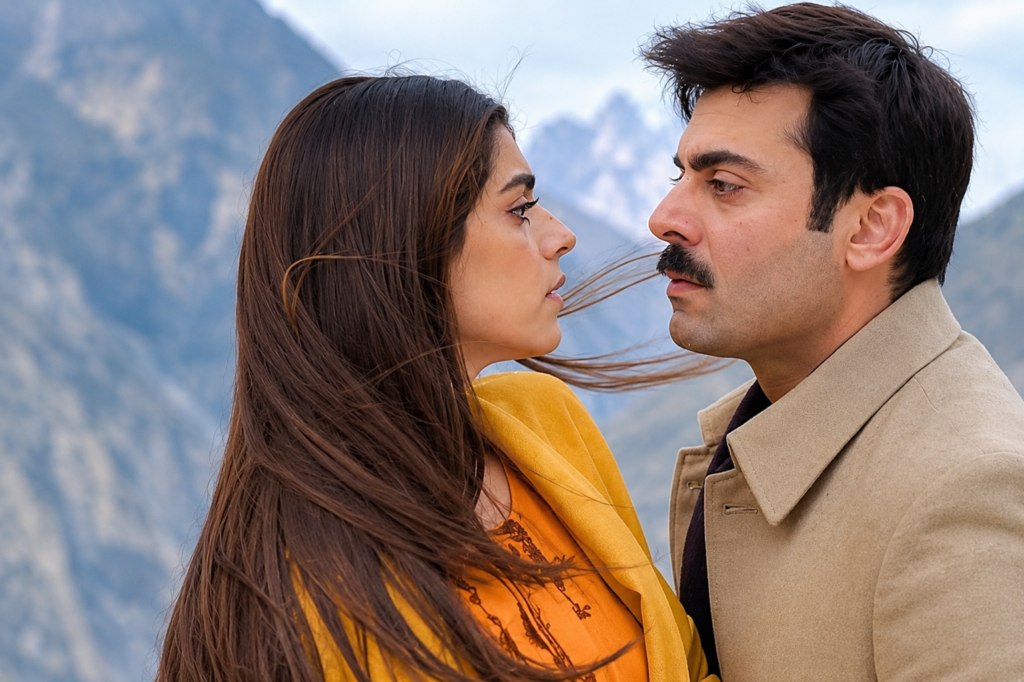

Netflix Pakistani Series controversy has intensified after India reportedly urged Netflix not to stream Jo Bachay Hain Sang Samait Lo in the country. The demand has sparked debate over Pakistani entertainment, streaming restrictions, cultural exchange and political tensions between India and Pakistan. The upcoming series is expected to premiere on December 4, 2026, attracting attention from drama fans worldwide.
The All Indian Cine Workers Association (AICWA) has reportedly threatened protests and a boycott campaign if Netflix does not comply with its demand. The controversy has also placed Pakistan’s entertainment industry and international streaming distribution under the spotlight, as audiences wait to see whether the series will be accessible in different countries.
Netflix Faces Pressure Over Pakistani Series
The upcoming Pakistani drama Jo Bachay Hain Sang Samait Lo has become the centre of a fresh controversy after the All Indian Cine Workers Association reportedly urged Netflix to remove the series from its Indian content catalogue before its scheduled release.
The organisation has objected to the involvement of Pakistani artists and called on the streaming platform to reconsider making the production available to Indian viewers. It has also reportedly urged India’s government to take stronger action against Pakistani entertainment across digital platforms.
The demand has added another chapter to the ongoing debate about the role of entertainment during periods of political tension. Streaming services have increasingly become international platforms for films, television series and documentaries, but content originating from politically sensitive regions can face restrictions in certain markets.
Netflix has not publicly confirmed whether it will respond to the latest demand by changing the series’ availability in India.
AICWA Threatens Protest and Boycott Campaign
The All Indian Cine Workers Association has reportedly taken a strong position against the upcoming series, asking Netflix to prevent its release in India. According to reports, the organisation has warned that it could organise protests outside the streaming company’s office and encourage subscribers to cancel their memberships if its demand is not addressed.
The association has also called for restrictions on Pakistani films, television shows, songs and other entertainment productions. Its position reflects opposition to providing a commercial platform to Pakistani artists amid ongoing political and security concerns.
Such demands could create additional pressure on international streaming platforms, which must consider local rules and policies while managing content intended for audiences across multiple countries.
The controversy is not limited to one television series. It has reopened a broader discussion about whether Pakistani artists should be allowed to participate in international entertainment projects that are distributed in markets where political tensions remain high.
Why Hamza Ali Abbasi Is Part of the Controversy
One of the major objections reportedly raised by the association concerns Pakistani actor Hamza Ali Abbasi, who is part of the series’ cast. AICWA has referred to his past public statements as a reason for opposing his involvement in the production.
The issue has brought the actor’s previous remarks back into public discussion, with the association arguing that Netflix should reconsider providing a platform to Pakistani entertainers. The criticism has become part of a wider debate involving entertainment, public statements by celebrities and political sensitivities.
However, the controversy surrounding an individual actor has also raised questions about whether an entire production should face restrictions because of the views or past statements of one of its cast members.
What Is ‘Jo Bachay Hain Sang Samait Lo’ About?
Jo Bachay Hain Sang Samait Lo, internationally promoted as All The Love Our Hearts Carry, is a Pakistani romantic drama based on the bestselling Urdu novel written by Farhat Ishtiaq.
The series features a prominent cast of Pakistani television and film actors and is expected to attract considerable attention from drama fans. Its storyline explores love, emotional struggles, personal growth, relationships and the difficult experiences that can shape people’s lives.
The story centres on Sikandar, a Harvard law student who becomes emotionally distant after experiencing trauma, and Liza, an artist who is also dealing with personal challenges. Their paths eventually cross in Italy, leading to a story that explores emotional healing, connection and the possibility of finding love after difficult experiences.
The production has generated interest because of its cast, source material and international streaming release. Pakistani dramas have developed a strong audience among viewers living abroad, and Netflix’s involvement could introduce the series to people who may not regularly watch Pakistani television.
A Star-Studded Cast Expected to Attract Viewers
The drama features several well-known Pakistani entertainment personalities, making it one of the highly anticipated Pakistani productions for international streaming audiences.
The cast includes Fawad Khan, Mahira Khan, Sanam Saeed, Ahad Raza Mir, Hania Aamir, Hamza Ali Abbasi, Iqra Aziz, Maya Ali and Bilal Ashraf. The presence of established actors from different generations has contributed to the excitement surrounding the project.
For fans, the series offers an opportunity to see familiar performers in a production designed for a global streaming audience. Pakistani dramas have increasingly gained attention through social media, fan communities and online platforms, helping actors build popularity beyond Pakistan.
This growing international interest can be seen across other Pakistani entertainment projects as well. For example, Hania Aamir’s mysterious project Pablo recently generated discussion among fans following its teaser, demonstrating the attention Pakistani stars can attract through digital announcements and new productions.
Netflix Release Date and International Distribution
The series is scheduled to premiere globally on Netflix on December 4, 2026. Its international release is expected to make it accessible to viewers in multiple markets, although regional availability may depend on local restrictions and distribution arrangements.
The question of whether Indian Netflix subscribers will be able to watch the series remains particularly important. India’s reported restrictions on Pakistani-origin entertainment content could influence its availability, even if the production is released in other countries.
Netflix operates across different territories, and content availability can vary according to local regulations, licensing conditions and platform policies. Therefore, a global release announcement does not necessarily mean that every country will receive the same content at the same time or have access to every title.
The platform’s response to the reported AICWA demand could become an important development in the days leading up to the series’ premiere.
Pakistani Entertainment Has Continued to Reach International Audiences
Pakistan’s entertainment industry has expanded its digital presence over the past several years, with television dramas, music, films and online productions reaching audiences outside the country.
Pakistani music has also remained an important part of the country’s cultural visibility. The latest developments surrounding Coke Studio Pakistan’s Nu.WAV music platform reflect efforts to introduce emerging artists and fresh sounds to listeners, while established performers continue to build international followings.
Television and film productions also contribute to Pakistan’s cultural identity and creative economy. Actors, writers, directors, musicians, cinematographers and production teams depend on projects that create employment and provide opportunities to showcase their work.
For many Pakistani artists, international distribution offers a chance to reach audiences who may otherwise have limited access to local productions. Streaming services can help reduce geographical barriers and introduce stories, languages and cultural experiences to viewers worldwide.
The wider industry has also faced difficult conversations about professional conduct, accountability and public image. For example, recent entertainment coverage has highlighted controversy surrounding allegations against Umer Mukhtar and Hania Aamir’s public response, showing how public scrutiny can affect individuals and professional relationships within showbiz.
Political Tensions Continue to Affect Cultural Exchange
Relations between India and Pakistan have long influenced cultural exchange, particularly in cinema, music and television. Artists from both countries have occasionally worked together, attracted audiences across borders and developed fan bases that extend beyond their national markets.
However, periods of heightened political tension have repeatedly affected entertainment collaborations. Calls for boycotts, restrictions on artists and objections to cultural events have made cross-border entertainment a sensitive issue.
The latest Netflix controversy highlights how these tensions can extend to digital platforms, where productions may be created in one country but distributed internationally. Unlike traditional cinema releases, streaming services can make content available across numerous territories, creating additional challenges when certain markets impose restrictions.
For viewers, these disputes can mean reduced access to entertainment that might otherwise be available through subscription services. For production companies, they can affect distribution plans, audience reach and commercial opportunities.
Could the Controversy Affect Pakistani Artists and Production Companies?
If restrictions on Pakistani entertainment continue or expand, the consequences could extend beyond a single Netflix series. Producers may face difficulties securing distribution in certain territories, while actors and creative teams could lose opportunities to reach international audiences.
Streaming platforms have become increasingly important to the entertainment industry because they offer an alternative to traditional television networks and cinema distribution. International releases can introduce productions to new viewers, generate discussions online and create opportunities for future projects.
The Netflix Pakistani series controversy has once again highlighted how political tensions can affect entertainment, international streaming platforms and the availability of Pakistani dramas to audiences across borders.
Pakistani productions have also benefited from growing interest in South Asian storytelling, with viewers often discovering dramas through recommendations, social media clips and streaming platforms. Maintaining international access could therefore remain an important priority for producers and artists.
What Could Happen Before the December 4 Premiere?
The immediate focus is now on Netflix and whether it will respond to the reported demand from AICWA. The association has reportedly called for the series to be excluded from India’s catalogue and indicated that it may pursue protest and boycott measures if its request is not met.
Netflix’s final position, any official clarification regarding regional availability and possible regulatory developments could determine the next stage of the controversy.
The December 4 premiere is approaching, and viewers are waiting for further details about where the series will be available. Until the platform provides a clear update, its availability in India remains uncertain.
Conclusion
The controversy over Jo Bachay Hain Sang Samait Lo reflects the continuing intersection of entertainment, politics and international streaming. While AICWA has reportedly demanded restrictions on the Pakistani series, the issue has also raised wider questions about cultural exchange, artistic freedom and the role of global streaming platforms.
For Pakistan’s entertainment industry, the production represents an opportunity to showcase local storytelling to a worldwide audience. Whether the controversy affects its distribution in India or leads to further debate about Pakistani entertainment on streaming platforms will become clearer as the release date approaches.
Frequently Asked Questions
1. Why is India asking Netflix to restrict Jo Bachay Hain Sang Samait Lo?
The All Indian Cine Workers Association has reportedly urged Netflix to prevent the Pakistani series from being available in India. The demand is connected to political tensions and objections to Pakistani artists appearing on international streaming platforms accessible to Indian audiences. The association has also reportedly threatened protests and a boycott campaign if Netflix does not comply.
2. When will Jo Bachay Hain Sang Samait Lo be released on Netflix?
The series is scheduled for a global premiere on December 4, 2026. However, its availability may differ between countries because of regional regulations, distribution agreements and streaming platform decisions. Indian viewers are particularly uncertain about access following the reported demand for restrictions.
3. Who is starring in Jo Bachay Hain Sang Samait Lo?
The series features several prominent Pakistani actors, including Fawad Khan, Mahira Khan, Sanam Saeed, Ahad Raza Mir, Hania Aamir, Hamza Ali Abbasi, Iqra Aziz, Maya Ali and Bilal Ashraf. The combination of popular actors and a well-known Urdu novel has contributed to the anticipation surrounding the drama.
4. What is the story of Jo Bachay Hain Sang Samait Lo?
The drama is based on Farhat Ishtiaq’s bestselling Urdu novel and follows the emotional journeys of Sikandar and Liza. Sikandar is a Harvard law student who becomes emotionally withdrawn after a traumatic experience, while Liza faces her own personal struggles. Their meeting in Italy develops into a story about relationships, love, emotional healing and second chances.
5. Will Netflix remove the series from its Indian catalogue?
Netflix has not publicly confirmed whether it will comply with the reported demand from AICWA. The series’ availability in India remains uncertain, and any final decision could depend on government regulations, platform policies and regional distribution arrangements. Its scheduled international premiere does not necessarily guarantee availability in every country.
6. Could the Netflix controversy affect Pakistan’s entertainment industry?
The controversy could raise concerns about international distribution opportunities for Pakistani artists and production companies. Restrictions in certain markets may limit audience reach, commercial opportunities and exposure. However, streaming platforms also provide access to international viewers in other regions, allowing Pakistani productions to continue building audiences beyond traditional television markets.
7. Why are Pakistani dramas popular internationally?
Pakistani dramas have gained international popularity because of their emotional storytelling, relatable family themes, strong performances and cultural authenticity. Social media, streaming services and overseas Pakistani communities have also helped introduce these productions to viewers in different countries, increasing interest in Pakistani actors and entertainment.