

Pakistan has introduced a new digital healthcare initiative aimed at helping citizens identify genuine medicines, report shortages and improve access to reliable medical products. Prime Minister Shehbaz Sharif launched the Mehfooz Dawa app, designed to make medicine verification easier and strengthen public confidence in the country’s pharmaceutical supply system.
The application is expected to give consumers a convenient way to check medicine authenticity, access product information and report concerns about suspicious or unavailable medicines. The initiative also highlights the government’s efforts to improve medicine safety through technology and digital monitoring.
Mehfooz Dawa App Introduces Digital Medicine Verification
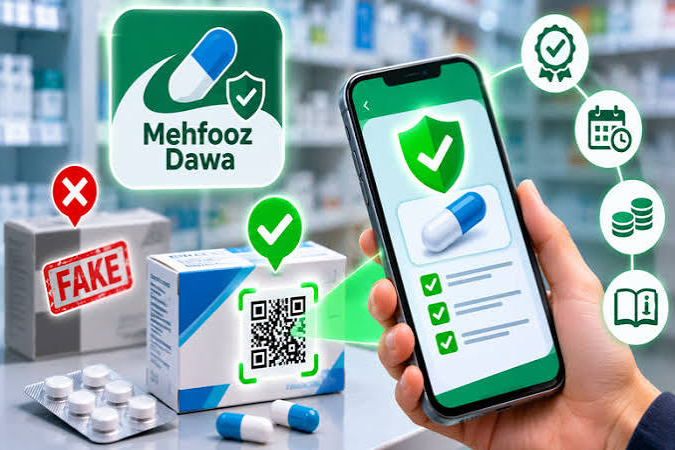
The Mehfooz Dawa application has been developed to address growing concerns about counterfeit, substandard and potentially unsafe medicines circulating in the market. Consumers can use the app to check the authenticity of pharmaceutical products through a verification system connected to a medicine database.
According to officials, users can scan or enter the relevant batch information to check whether a medicine is registered within the system. The verification process is intended to make it easier for ordinary people to identify suspicious products before using them.
The application also includes options for reporting suspected counterfeit medicines and notifying authorities about medicine shortages. These features could help regulators identify problems more quickly and improve monitoring of the pharmaceutical supply chain.
How the Mehfooz Dawa App Works
The newly launched application provides several important features intended to make medicine-related information more accessible to the public.
Medicine Authentication
Consumers can verify medicine details using the product’s batch information. The application checks the information against its connected database to help determine whether the product is recognised within the system.
A verification result can provide an additional layer of reassurance for consumers purchasing medicines from pharmacies and medical stores. However, users should continue to purchase medicines from licensed pharmacies and consult healthcare professionals when necessary.
Reporting Counterfeit Medicines
The app also allows users to report suspected fake or counterfeit pharmaceutical products. This feature could help authorities receive information from the public about potentially dangerous medicines being sold in local markets.
Public reporting may prove particularly useful in identifying suspicious products that are difficult to detect through routine inspections alone.
Reporting Medicine Shortages
Another important feature is the ability to report medicines that are unavailable in the market. Shortages can create serious problems for patients who rely on regular treatment, particularly those managing chronic illnesses.
By collecting information about medicine availability, authorities may be able to identify supply disruptions and investigate the reasons behind them.
Government Focuses on Pharmaceutical Safety and Affordability
During the launch ceremony in Islamabad, Prime Minister Shehbaz Sharif emphasised the importance of making healthcare and medicines accessible to ordinary citizens. He highlighted that the availability of treatment should not become a financial burden for families struggling with rising living costs.
The prime minister also called for greater cooperation between the health, information technology and information ministries to promote awareness about the application. Public awareness campaigns will be important to ensure that people understand how to use the app and benefit from its features.
The government has also stressed the need to work with pharmaceutical companies and relevant stakeholders to improve the availability of medicines at affordable prices.
Healthcare affordability remains a major concern for many Pakistani households. Patients frequently face difficulties managing the cost of prescribed medicines, consultations and long-term treatment. Digital verification may improve transparency, but affordability and availability will also require broader reforms.
For related healthcare developments, readers can explore Pakistan’s health news and medical updates.
DRAP Database Includes Around 92,000 Medicines
The Drug Regulatory Authority of Pakistan (DRAP) has reportedly connected a database containing approximately 92,000 pharmaceutical products with the initiative. Officials also highlighted cooperation from hundreds of pharmaceutical companies in building the database.
The database is expected to support medicine verification and improve access to relevant product information. A digital system could also help regulatory authorities identify gaps in information and respond more effectively to reports submitted by consumers.
Pakistan has previously introduced different measures to improve healthcare standards, strengthen medical product oversight and reduce risks associated with unsafe medical equipment and pharmaceutical products.
Readers can also learn about earlier healthcare safety measures in the report on Pakistan’s restrictions on unsafe manual medical syringes.
Lessons From Previous Medicine Safety Concerns
Pakistan’s healthcare system has faced serious questions over medicine quality and patient safety in the past. Previous incidents involving suspected contaminated or counterfeit medicines have highlighted the need for stronger oversight, reliable testing and better communication between regulators, hospitals and patients.
The introduction of a digital verification application reflects an effort to use technology to address some of these challenges. While digital tools cannot replace laboratory testing, inspections or professional medical supervision, they may help consumers become more informed about the products they purchase.
Improving medicine safety also requires responsible practices from manufacturers, distributors, pharmacies and healthcare professionals. Regulatory authorities must ensure that complaints are investigated and that necessary action is taken when violations are identified.
Related developments in medical research and healthcare innovation are covered in Pakistan Publications Inc.’s health section.
What the App Could Mean for Patients and Pharmacies
The Mehfooz Dawa app could offer practical benefits to people who regularly purchase prescription and over-the-counter medicines. Greater access to verification information may help consumers make more informed decisions and encourage them to pay attention to product details.
Pharmacies and medicine distributors may also face increased pressure to maintain transparent purchasing records and ensure that products come from reliable suppliers.
The initiative could potentially strengthen public confidence in Pakistan’s pharmaceutical sector if verification results are accurate, complaints are handled efficiently and the database remains updated.
However, the effectiveness of the system will depend on how consistently it is maintained and how quickly authorities respond to reports. The availability of a mobile application alone cannot eliminate counterfeit medicines without continued enforcement and monitoring.
Healthcare-related community initiatives and treatment support are also important. For example, Indus Hospital Houston’s healthcare fundraising initiative highlights the role of community support in improving access to medical care.
Public Awareness Will Be Essential for Success
The success of Mehfooz Dawa will depend heavily on public awareness and accessibility. Many people may not know how to verify medicines digitally, while others may have limited internet access or difficulty using smartphone applications.
Government departments will need to provide clear instructions, simple language options and awareness campaigns through television, social media, pharmacies and healthcare facilities.
Pharmacists and doctors could also help educate patients about the importance of checking medicine information and reporting suspicious products.
The application represents a step towards digital healthcare monitoring in Pakistan. If implemented effectively, it could support improved pharmaceutical transparency, better consumer protection and stronger public health safeguards.
Conclusion
The launch of the Mehfooz Dawa app marks a new effort by Pakistan to address counterfeit medicines, pharmaceutical shortages and concerns about medicine authenticity. By connecting consumers with digital verification and reporting tools, the initiative aims to make medicine safety more accessible to the public.
Its long-term success will depend on accurate records, effective regulatory action, public participation and affordable access to essential medicines. As the system develops, it could become an important part of Pakistan’s broader efforts to strengthen healthcare protection and improve trust in the pharmaceutical industry.
Another relevant health topic is the impact of medicines during extreme weather, discussed in this report on medications and dehydration during extreme heat.
Frequently Asked Questions (FAQs)
1. What is the Mehfooz Dawa app launched in Pakistan?
Mehfooz Dawa is a digital application introduced by the government to help citizens verify medicines, report suspected counterfeit pharmaceutical products and inform authorities about medicine shortages. It is designed to improve public access to medicine-related information and strengthen patient safety through technology.
2. How can people verify medicines through the Mehfooz Dawa application?
Users can check medicine information through the application by scanning or entering the relevant batch details. The system checks the information against its connected pharmaceutical database to help users determine whether the product is recognised. Consumers should still purchase medicines from licensed pharmacies and seek advice from qualified healthcare professionals.
3. Can the Mehfooz Dawa app help report fake medicines?
Yes. The application includes a complaint feature that allows users to report suspected counterfeit or suspicious medicines. This information may assist the relevant authorities in identifying potential problems, investigating complaints and taking action where necessary.
4. Does the Mehfooz Dawa app provide information about medicine shortages?
The application includes a shortage-reporting feature through which users can notify authorities about medicines that are unavailable. This could help regulators understand supply problems and identify products that patients are struggling to obtain.
5. How many medicines are included in the Mehfooz Dawa database?
Officials have stated that the database associated with the initiative includes approximately 92,000 pharmaceutical products. The database is intended to support verification and provide a foundation for improving medicine monitoring and information access.
6. Will the Mehfooz Dawa app completely eliminate counterfeit medicines in Pakistan?
The application could help reduce risks by making medicine verification more accessible and allowing the public to report suspicious products. However, eliminating counterfeit medicines will require regular inspections, laboratory testing, enforcement of pharmaceutical regulations, cooperation from manufacturers and pharmacies, and prompt investigation of complaints.
7. Why is medicine verification important for patients?
Medicine verification is important because counterfeit, improperly stored, expired or substandard products may fail to provide the expected treatment and can expose patients to serious health risks. Reliable verification tools can help consumers make more informed decisions, although they should never replace professional medical advice.