


Tensions between Israel and Iran have escalated sharply despite a recent ceasefire framework, with both nations exchanging severe warnings over the safety of their leadership. Israeli Defense Minister Israel Katz triggered the latest diplomatic standoff by publicly declaring that Iran’s new Supreme Leader, Ayatollah Seyyed Mojtaba Khamenei—who recently succeeded his father—is “marked for death.” Katz further asserted that Israel remains fully prepared to act unilaterally to neutralize perceived strategic threats, warning that any Iranian leader who promotes the destruction of Israel will be effectively “thwarted.”
Tehran has reacted with fierce condemnation, vowing an “immediate and powerful” military response to any aggression targeting its citizens or state officials. Iranian Foreign Minister Abbas Araghchi blasted the threats on social media, stating that under the recent Islamabad Memorandum of Understanding—a U.S.-Iran peace pact brokered by Pakistan in mid-June—U.S. President Donald Trump committed to restraining Tel Aviv’s military actions. Araghchi warned that if Israel ignores its international backers and violates the standing agreement, Iran will not hesitate to deliver a decisive retaliatory lesson.
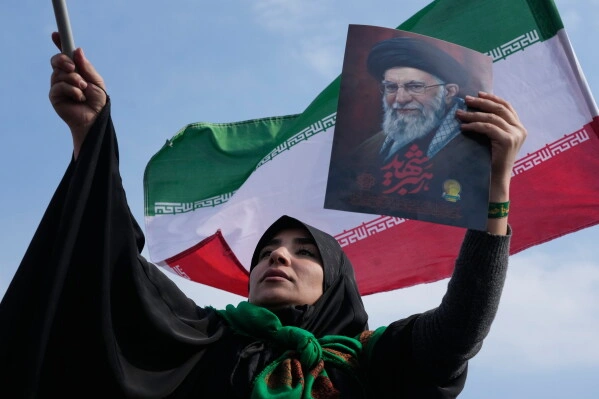
This intense rhetoric coincides with a massive, multi-day state funeral procession in Tehran for the former Supreme Leader, Ayatollah Ali Khamenei, who was killed in a joint U.S.-Israeli airstrike on February 28. While millions of mourners have flooded the capital chanting for vengeance, Iranian diplomats have formally petitioned the United Nations Security Council, labeling Israel’s public declarations as systematic, state-sponsored terrorism. The hostile exchange has cast a shadow over ongoing technical peace talks in Doha, raising international fears that the fragile regional truce could rapidly unravel.