

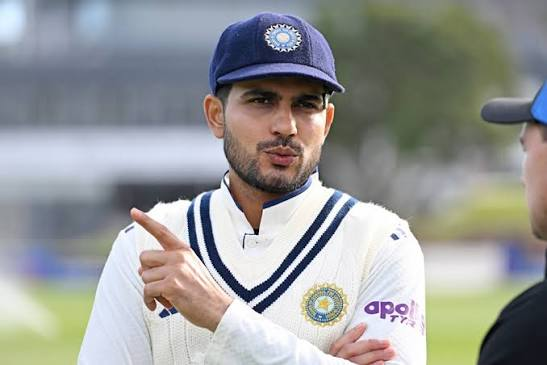

The saliva ban in cricket is not going anywhere, at least for now. The International Cricket Council (ICC) has no immediate plans to relax the rule, even after India captain Shubman Gill publicly asked for it to be scrapped. The debate has returned just as India and New Zealand prepare for a decisive second Test.
Why the Saliva Ban in Cricket Is Back in the Spotlight
The issue came up after India’s high-scoring first Test against New Zealand in Wellington ended in a draw on Monday. Gill spoke to reporters once the match was over. He argued that the ban has made life harder for bowlers on flat pitches, where there is little help from the surface.
According to AFP, the ICC does not see a reason to change course. The governing body treats saliva on the ball like any other unfair method of altering its condition. That means the rule sits alongside the broader ball tampering regulations that umpires enforce in every international match.
Background: How the ICC Saliva Ban Began
The restriction was first introduced in 2020, when cricket restarted after the pandemic lockdowns. It was meant as a temporary health precaution, designed to limit the spread of the virus through shared equipment. Players had long used saliva to polish the ball, so the change was a big adjustment for bowling attacks.
Two years later, the ICC made the ban permanent. The decision signalled that the rule was no longer only about public health. It had become part of the sport’s wider effort to keep the condition of the ball fair and easy to police.
Details: What Gill Said and What the ICC Thinks
Gill said the ban makes little sense at this stage of the game and that the sport has moved well past the pandemic period. In his words, the world is “way past Covid times”. He also questioned why bowlers still cannot shine the ball after so many years. He believes this is one of the reasons bowlers are struggling to take wickets.
The ICC’s thinking appears to be rooted in practicality. Saliva becomes far more than a simple polish when it is mixed with sweets, chewing gum or mints, because it can then change the ball’s surface in a meaningful way. Such methods are very hard to monitor, and officials fear that relaxing the rule would open the door to disputes and suspicion.
How Saliva Helps Reverse Swing
Fast bowlers have long used saliva to keep one side of an old ball shiny while the other side stays rough. This uneven surface helps the ball move late in the air, which is the basis of reverse swing. Without it, bowlers rely more on seam movement, the pitch and sheer pace.
That is why the topic comes up whenever batters dominate. A 720-9 declaration from India in Wellington showed how little help bowlers can find when the pitch is true and the ball goes soft. New Zealand then batted through 120 overs to finish on 239-5, which underlined the same point from the other side.
Impact: A Rule Under Pressure Across Formats
The ban has not been universal for long. The Indian Premier League lifted its own restriction last year, a move that bowlers welcomed. That decision has created a visible gap between franchise cricket and international cricket, and it has given critics like Gill a fresh argument.
For national teams, the effect is wider than one rule. If the ICC keeps the ban, bowlers in all formats will need to find other ways to create movement on older balls. If it ever relents, umpires and match referees would face a new challenge in separating harmless shining from illegal tampering. Either way, the conversation is unlikely to disappear while scoring stays high.
Conclusion: What Comes Next
For the moment, the position is clear. The ICC is holding firm, and Gill’s appeal has not changed its stance. Any future shift would likely need strong pressure from several boards, players and captains, along with a workable plan to police the ball.
On the field, India and New Zealand now head to Christchurch for the second and deciding Test, which starts on Friday. Both captains expect a greener, grassier pitch that favours seam bowlers. If bowlers dominate there, the saliva debate may cool. If runs flow again, expect the argument to return.
You can also follow more updates in our Sports section, read the latest Cricket news, and explore our Breaking News coverage. Visit the Pakistan Publications Inc homepage for more stories.
Frequently Asked Questions (FAQs)
1. Why did the ICC ban saliva on the cricket ball?
The ICC first barred the practice in 2020 as a precaution during the pandemic, when sharing saliva on a ball raised health concerns. The restriction was meant to be temporary while the world dealt with the virus. Two years later, the ICC made it permanent. Since then, applying saliva has been treated like any other unfair way of changing the condition of the ball, which brings it under the sport’s ball tampering rules.
2. What did Shubman Gill say about the saliva ban?
Gill said the ban should be revoked because the game is far beyond the Covid period. He made the comments after the first Test against New Zealand in Wellington ended in a draw. He questioned why bowlers are still not allowed to shine the ball after so many years. He also suggested that the rule is a big factor behind bowlers struggling to take wickets, especially when pitches are flat and batters are in control.
3. Will the ICC lift the saliva ban soon?
According to AFP, the ICC has no immediate plans to relax the rule. The governing body sees no strong reason to change it for international matches. A change could still happen in the long run if boards, captains and players push for it, but there is no sign of that happening yet. For now, bowlers must continue to follow the existing regulations in every Test, ODI and T20 international.
4. Why is saliva so hard to regulate on a cricket ball?
Saliva on its own looks harmless, which is exactly why it is hard to control. The problem begins when it is mixed with sweets, chewing gum or mints, because these substances can materially change the surface of the ball. Umpires cannot easily tell whether a bowler is simply shining the ball or using something extra. That uncertainty is a major reason the ICC prefers a clear ban over a rule with grey areas.
5. How does saliva help fast bowlers get reverse swing?
Bowlers use saliva to keep one side of an older ball smooth and shiny while the other side gets rough from wear. This difference in surface makes the ball move late in the air, which is known as reverse swing. It becomes especially valuable on flat pitches, where there is little help from the seam or bounce. Without saliva, bowlers have fewer ways to create movement once the ball has gone soft.
6. Has any cricket league lifted the saliva ban?
Yes. The Indian Premier League lifted its saliva ban last year, and bowlers were happy with the decision. However, the ICC has not followed the same path. This means the rule now works differently in franchise cricket and in international matches, which is one reason the debate keeps returning whenever a top player or captain speaks about it.
7. When is the second Test between India and New Zealand?
The second and deciding Test will be played in Christchurch and starts on Friday. Both captains expect a more typical green and grassy pitch that should help seam bowlers. After a high-scoring draw in Wellington, where India declared on 720-9 and New Zealand finished on 239-5, the contest is likely to look very different in Christchurch.