


Pakistan-China Space Cooperation Enters a New Era
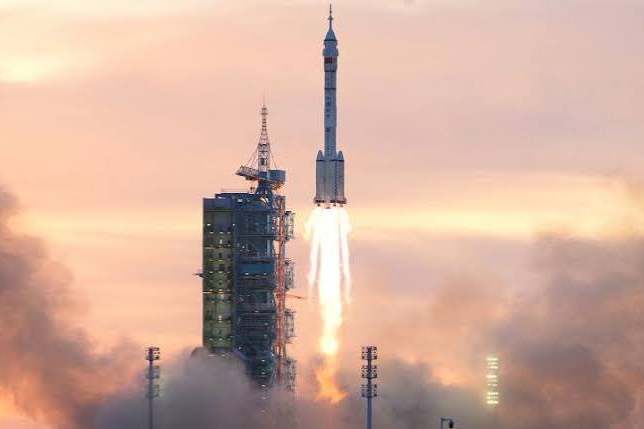
The Shenzhou-24 mission has drawn attention to Pakistan and China’s expanding partnership in science, technology and space exploration. Prime Minister Shehbaz Sharif has described the mission as a symbol of the longstanding friendship between the two countries, highlighting the importance of cooperation in advancing scientific ambitions.
The development reflects growing interest in space research and technological innovation, particularly as countries increasingly invest in satellites, advanced engineering, space exploration and scientific education. Pakistan’s involvement in such initiatives could help strengthen its research capabilities and encourage young people to explore careers in science and technology.
Beyond diplomatic relations, the mission has renewed discussions about Pakistan’s future in the global space sector. Collaboration with China may create opportunities for technical training, scientific knowledge sharing and research partnerships that could benefit Pakistan’s space programme in the years ahead.
Shenzhou-24 Mission and Pakistan-China Relations
Pakistan and China have maintained a close relationship for decades, with cooperation spanning infrastructure, trade, education, defence, energy and technology. Over time, their partnership has expanded into new areas where scientific research and innovation are becoming increasingly important.
Space exploration is one of the most challenging fields of modern technology. It requires advanced equipment, specialised knowledge, highly trained professionals and long-term investment. For countries seeking to develop their scientific capabilities, international partnerships can provide valuable opportunities to learn, exchange expertise and participate in complex research programmes.
The Shenzhou-24 mission has brought this cooperation into focus once again. It reflects the growing importance of scientific collaboration between the two countries and highlights the potential for future partnerships in aerospace engineering, satellite technology and space research.
Pakistan’s broader technological ambitions are also connected to its efforts to modernise education and develop specialised skills. The country has increasingly focused on emerging technologies, including artificial intelligence, digital systems and advanced scientific research.
Readers can also explore Pakistan’s changing technology landscape in this report on Pakistan’s AI education push and the challenges facing universities.
China’s Role in Advancing Space Exploration
China has become a major player in global space exploration through its investments in satellite technology, launch systems, scientific research and space infrastructure. Its space programme has continued to develop capabilities that support research, communication, Earth observation and future exploration missions.
The country has also expanded opportunities for international cooperation, allowing partner nations to participate in scientific projects and gain access to research and training opportunities.
For Pakistan, cooperation with China could prove valuable in developing technical knowledge and improving the capacity of local institutions. Such partnerships may help Pakistani researchers understand advanced space technologies, strengthen their expertise and contribute to future scientific projects.
However, international cooperation alone cannot guarantee long-term progress. Pakistan will also need consistent investment in research facilities, technical education, local innovation and the development of a skilled workforce.
Pakistan’s Space Programme and Satellite Development
Pakistan’s space programme has significant potential to contribute to national development. Satellites and space-based technologies are increasingly used for purposes that directly affect everyday life, including weather forecasting, agriculture, communications, environmental monitoring and disaster management.
Satellite imagery, for example, can help authorities monitor crops, identify changes in land use, observe water resources and assess damage after floods or earthquakes. These technologies are particularly valuable for countries that face environmental challenges and require reliable data for planning and decision-making.
Pakistan’s efforts to expand satellite research and develop advanced technological capabilities could improve its ability to address these challenges. Stronger research programmes may also support universities, engineering institutions and technology organisations working on scientific innovation.
The country’s future progress will depend on how effectively it converts international opportunities into local expertise, practical research and sustainable technological development.
Related coverage: Pakistan’s growing technology ambitions can also be seen in its wider investment in digital infrastructure, innovation and research. Read more in our coverage of Science and Technology developments.
Why Space Technology Matters Beyond Astronauts
Space exploration is often associated with astronauts, rockets and missions beyond Earth. In reality, space technology plays an important role in several industries and public services.
Satellite systems support communication networks, navigation, weather forecasting, mapping and environmental observation. Governments and organisations use satellite information to monitor natural disasters, track changes in landscapes and improve the management of resources.
For Pakistan, these applications could be particularly important in agriculture, water management and climate-related planning. Reliable satellite data can help authorities identify changing weather conditions, assess vulnerable areas and make better-informed decisions during emergencies.
The development of space technology can also encourage growth in other industries, including software development, electronics, telecommunications, robotics and engineering. Research conducted for space applications often contributes to technologies that can later be used in civilian industries.
The wider value of space research therefore extends well beyond the mission itself. It can help build a stronger scientific ecosystem, create opportunities for skilled professionals and encourage investment in advanced technology.
Opportunities for Pakistani Students and Young Scientists
The Shenzhou-24 mission could inspire Pakistani students to consider careers in fields that are often overlooked or viewed as difficult to enter. Aerospace engineering, physics, astronomy, computer science, robotics and satellite communications are among the areas that could benefit from greater public interest.
Universities and educational institutions have an important role to play in turning this inspiration into meaningful learning opportunities. Practical laboratories, research projects, scholarships, internships and international academic partnerships can help students develop skills that go beyond classroom knowledge.
Pakistan also needs to strengthen science education at an earlier stage. Students should be encouraged to ask questions, experiment, develop problem-solving abilities and understand how scientific concepts are applied in real-world situations.
Emerging technologies are changing the skills required in the workplace. Artificial intelligence, automation, data analysis and engineering are increasingly interconnected, making multidisciplinary education more important than ever.
The discussion around modern education is also expanding in Pakistan, as highlighted in our article on why AI education needs more than a mandatory university course.
Economic and Technological Benefits of Space Research
Investment in space technology can create economic opportunities by supporting high-skilled employment, research development and innovation. Scientists, engineers, software developers, technicians and data specialists may all contribute to projects connected with satellite systems and aerospace technologies.
The sector can also encourage private companies to develop products and services using satellite data. These may include agricultural monitoring, digital mapping, navigation services, telecommunications solutions and environmental analysis.
For Pakistan, building a stronger technology sector could help diversify economic opportunities and improve the country’s ability to compete in knowledge-based industries. However, space-related projects often require substantial financial resources, long development periods and highly specialised expertise.
The government, educational institutions and private sector would need to work together to ensure that scientific projects translate into practical benefits. Investment in research, transparent planning and training opportunities would be essential to building sustainable progress.
Technology infrastructure is another important part of this transformation. The expansion of computing facilities, digital systems and research infrastructure is shaping the future of innovation worldwide. Related developments can be seen in our coverage of the expansion of AI and data centre infrastructure in Scotland, which illustrates the growing demand for advanced technology facilities.
Regional Significance of Pakistan-China Space Cooperation
Pakistan-China cooperation in space research carries significance beyond the two countries. Scientific collaboration can help strengthen regional research capabilities and encourage greater interest in peaceful uses of space technology.
Developing countries often face financial and technical barriers when trying to establish advanced research programmes. Partnerships with countries that have stronger scientific infrastructure can provide opportunities for training, technical exchange and participation in larger projects.
Space technology also has a growing role in addressing global challenges, including climate change, environmental monitoring, food security and disaster response. International research collaboration can improve the quality of available information and support solutions that benefit multiple countries.
Pakistan’s participation in space-related cooperation could therefore contribute to both national development and wider scientific engagement, provided the country continues to invest in its own research capacity.
Challenges Pakistan Must Address
Despite the opportunities, Pakistan faces several challenges in strengthening its space programme. Limited funding, a shortage of specialised professionals, research infrastructure requirements and the need for long-term planning can affect the pace of development.
Space projects are not usually completed through short-term initiatives. They require continuity, technical expertise, investment and institutional cooperation over many years.
Pakistan will need to focus on developing qualified scientists, engineers and researchers while supporting universities and scientific organisations. Greater collaboration between academic institutions, government agencies and technology companies could help bridge the gap between education and practical research.
Another important challenge is ensuring that space-related investments contribute to national priorities. Satellite technology should be connected with practical needs such as agriculture, disaster management, communications, environmental protection and resource planning.
The success of future initiatives will depend not only on international partnerships but also on Pakistan’s ability to strengthen its domestic scientific ecosystem.
What Lies Ahead for Pakistan’s Space Ambitions?
The Shenzhou-24 mission has renewed attention on Pakistan’s scientific ambitions and its relationship with China. It highlights the potential of international partnerships to support research, technological advancement and the development of new expertise.
Pakistan’s next step should be to build on this momentum by investing in science education, supporting local researchers, improving technical infrastructure and creating opportunities for students to participate in scientific projects.
The future of Pakistan’s space programme will depend on more than participation in international missions. Developing independent research capabilities, encouraging innovation and translating scientific knowledge into practical applications will be equally important.
If these priorities receive consistent attention, cooperation with China could become a valuable part of Pakistan’s long-term journey towards stronger scientific and technological development.
Frequently Asked Questions
1. What is the significance of the Shenzhou-24 mission for Pakistan?
The mission highlights Pakistan’s growing engagement in space-related scientific cooperation with China. It may create opportunities for technical knowledge sharing, research collaboration, professional training and the development of scientific expertise. It also brings greater attention to Pakistan’s ambitions in aerospace technology and space research.
2. How can Pakistan benefit from cooperation with China in space technology?
Pakistan could benefit from access to research opportunities, technical training, satellite-related expertise and international scientific collaboration. Space technology also has practical applications in agriculture, weather forecasting, telecommunications, disaster monitoring and environmental management. These areas could support national development if Pakistan continues to strengthen its local research institutions and technical workforce.
3. What are Pakistan’s future goals in space science and technology?
Pakistan’s future priorities may include strengthening satellite development, expanding scientific research, improving aerospace education and developing skilled professionals. Greater investment in universities, laboratories, engineering programmes and international partnerships could help the country improve its technological capabilities and make better use of satellite-based services.