

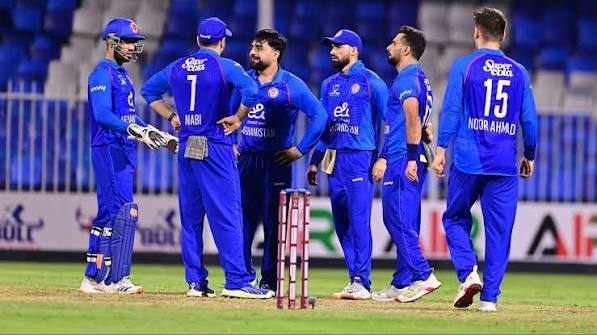

Taliban authorities in southern Kandahar have told local radio stations to stop airing anything related to cricket, according to AFP. The order came through the provincial Information and Culture Department and was passed to broadcasters by phone. Cricket is one of the fastest-growing sports in Afghanistan, which makes the directive hard to ignore. The Taliban have not published a written order, and the reasons for the move remain unclear.
Background: A Province Under Tight Media Control
Kandahar is the Taliban’s spiritual heartland and the home of the group’s supreme leader. Authorities there have steadily narrowed what local media can broadcast since the Taliban returned to power in 2021. In 2022, for example, Kandahar radio stations that had still been playing music were ordered to stop, and several journalists were briefly detained when some stations resisted.
The pressure has continued since. In March 2025, the Afghanistan Journalists Center reported new rules in Kandahar, including a ban on women’s voices on radio and a requirement for approval before certain advertisements could run. In May 2026, reports said three private Kandahar radio stations were suspended, days after a station in Bamyan was shut down.
Cricket has also been caught up in earlier restrictions. In 2021, reports said the Taliban had stopped broadcasts of the Indian Premier League, citing content they considered un-Islamic. Those reports were based on sources, and no official statement was issued at the time.
What Happened in Kandahar
Two broadcasters and a provincial source told AFP that the directive reached radio stations on Saturday. The head of one local station said the Information and Culture Department called to say cricket could no longer be covered on air. The manager of another station confirmed the same instruction and said the authorities described cricket content as banned “for now.”
Both broadcasters asked not to be named, citing security concerns. That request says a lot about the climate in which Kandahar journalists work. Anyone who questions an order, even a verbal one, risks losing their station or their freedom.
Afghanistan’s cricket board did not immediately respond to AFP’s request for comment. There has also been no public explanation from the provincial authorities. It is not yet clear whether the ban covers only live match commentary or extends to news bulletins, sports talk shows and player interviews. Nor is it clear whether other provinces will follow Kandahar’s lead.
Why Cricket Matters So Much to Afghans
Cricket is one of the few things that has united Afghans across ethnic and political lines. The national team rose from obscurity to compete at World Cups, and players such as Rashid Khan became household names well beyond Afghanistan’s borders. For many young Afghans, the sport represents pride and opportunity in a country with few of either.
Radio matters especially in a province like Kandahar, where television is scarce and internet access is limited. Local television in the province was shut down and converted into radio, so radio is the main source of live commentary for many fans. Losing cricket on the airwaves cuts ordinary people off from a shared national passion.
Voices and Reactions
Beyond the broadcasters quoted by AFP, there has been little public comment. Press freedom groups have repeatedly criticised the Taliban’s media restrictions, saying that broadcast rules are often announced informally and enforced without clear legal grounds. Journalists in Kandahar say that verbal orders leave them with no document to challenge and no authority to appeal to.
Afghan media workers have also said that decisions on content tend to reflect shifting positions within the Taliban leadership. This is a journalist’s assessment rather than an official position, and the Taliban have not publicly commented on it.
Impact: Regional and Global Reach
For Afghan cricket, the immediate effect is limited to one province, but the symbolism travels further. Cricket boards and international sports bodies watch Afghanistan closely, particularly because of the long-running debate over women’s cricket. A restriction that reaches the men’s game, even on radio, adds to concerns about the sport’s future in the country.
The wider message is aimed at media. Afghan journalists say the space for independent reporting has been shrinking for years. Watchdog groups say at least 20 television stations have closed since 2021, and radio is now facing similar pressure. Fans in Pakistan, India and across the cricket world, where Afghanistan has built a loyal following, will be watching to see whether the restriction spreads.
Conclusion: What Comes Next
The word “for now” suggests that the order could be reviewed, but no timeline has been given. Much depends on whether Afghanistan’s cricket board speaks up and whether other provinces follow Kandahar’s example. Broadcasters, for their part, are likely to comply quietly rather than risk closure.
Further clarification from the Taliban government or the cricket board would settle whether this is a temporary measure or the start of a wider restriction. Until then, listeners in Kandahar will have to follow the sport elsewhere. For more news and analysis, visit Pakistan Publications Inc.
Frequently Asked Questions (FAQs)
1. What exactly have the Taliban banned in Kandahar?
According to AFP, the provincial Information and Culture Department told radio stations in Kandahar that nothing related to cricket can be broadcast. Two station managers confirmed receiving the instruction by phone. So far there is no public written order, which is why details such as whether news reports or only live commentary are affected remain unclear.
2. Why did the Taliban ban cricket content on Kandahar radio?
No official reason has been given. The Taliban authorities have not publicly explained the directive, and Afghanistan’s cricket board had not responded to AFP at the time of reporting. In the past, the Taliban have justified media restrictions by citing Islamic principles and their interpretation of Afghan culture, but it would be wrong to assume that is the reason here without confirmation.
3. Is cricket banned across all of Afghanistan?
Based on the available reporting, the directive applies to radio stations in Kandahar province. There is no confirmed nationwide ban on cricket. Cricket is still widely followed in the country, but the situation could change, so readers should look for official statements from the Taliban government or the Afghanistan Cricket Board.
4. Why is Kandahar important in this story?
Kandahar is the home of the Taliban’s supreme leader and is widely seen as the group’s centre of power. Decisions taken there often carry symbolic weight for the rest of the country. Media restrictions have frequently been tested or introduced in Kandahar first, which is why many observers watch the province closely.
5. How popular is cricket in Afghanistan?
Cricket has become one of the country’s most popular sports in recent years. The national team has competed in major international tournaments, and its players have become well-known figures worldwide. For many Afghans, cricket is a source of national pride, so any restriction on coverage draws strong attention from fans.
6. What does this mean for journalists and radio stations in Kandahar?
It adds to a long list of limits on local media. Broadcasters have had to adjust to bans on music, restrictions on women’s voices and advertising rules. Journalists who spoke to AFP asked for anonymity for security reasons, showing how cautious media workers are about speaking publicly.
7. Could the ban be lifted?
One manager described the ban as being in place “for now,” which suggests it may not be permanent. However, there is no announced timeline or review process. Whether it is lifted depends on decisions by the Taliban leadership, so fans and journalists will have to wait for further news.