

A powerful Thanksgiving storm swept across parts of the United States, disrupting holiday celebrations, affecting transportation networks, causing flooding and leaving communities dealing with power outages. Heavy rain, strong winds and hazardous travel conditions created problems for residents and visitors during one of the busiest travel periods of the year.
The severe weather affected daily activities across several areas, forcing travelers to reconsider their plans and prompting safety warnings from authorities. Flights were delayed or cancelled, roads became difficult to navigate and some outdoor events were affected by dangerous weather conditions.
The storm arrived at a time when millions of Americans were travelling to spend Thanksgiving with family and friends. Its timing increased the impact, as airports, highways, hotels and public transportation services were already dealing with higher seasonal demand.
Major Storm Disrupts Thanksgiving Celebrations
Thanksgiving is one of the most important annual holidays in the United States, with millions of people travelling across the country to meet relatives, attend family gatherings and take part in traditional celebrations. The arrival of severe weather created additional challenges for people who had planned their journeys weeks in advance.
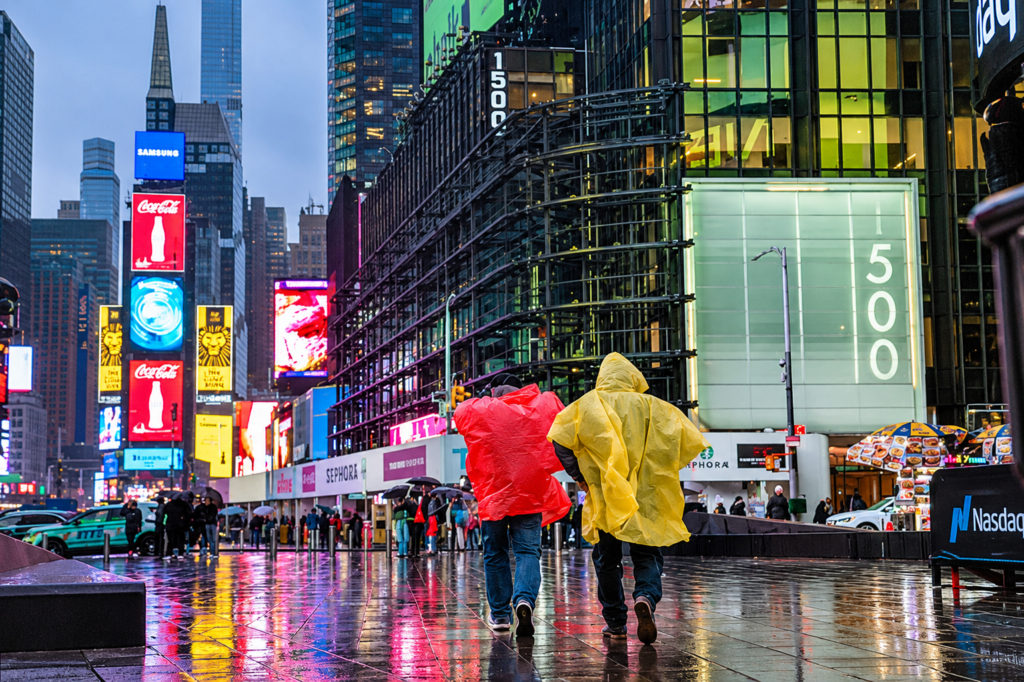
Heavy rainfall and strong winds affected communities across parts of the country, creating difficult conditions for motorists and pedestrians. In some areas, flooding raised concerns about road safety, while fallen trees and damaged infrastructure added to the disruption.
Weather conditions also affected outdoor activities and public events. Local authorities and event organizers had to consider the safety of participants, visitors and staff as the storm continued to develop.
For many families, the holiday became a period of uncertainty rather than the relaxed celebration they had expected. Travelers faced changing schedules, unexpected delays and the possibility of spending additional time away from home.
Heavy Rain and Strong Winds Affect Multiple States
The storm brought a combination of heavy rainfall, powerful winds and changing weather conditions to several parts of the United States. These conditions increased the risk of flooding, damaged trees and created hazardous situations in residential areas.
Communities in parts of Pennsylvania, Maryland, Virginia and other areas along the East Coast faced weather-related challenges. Although the impact differed from one location to another, residents in affected areas were encouraged to remain alert and monitor local advisories.
Heavy rain can quickly overwhelm drainage systems, especially in urban locations where water has limited space to flow away. Streets, parking areas, underpasses and low-lying neighbourhoods may become vulnerable when rainfall accumulates faster than drainage systems can handle it.
Strong winds also create additional dangers. Trees weakened by saturated soil can fall, potentially damaging houses, vehicles and electrical infrastructure. Loose objects can become airborne and cause injuries or property damage.
Authorities generally advise residents to avoid unnecessary movement during severe weather and to remain away from areas where trees, power lines or structures have been damaged.
Macy’s Thanksgiving Day Parade Faces Weather Disruption
The severe weather also affected one of America’s most recognized holiday traditions, the Macy’s Thanksgiving Day Parade in New York City. The parade was postponed to Saturday as organizers considered the safety risks associated with strong winds.
The event is famous for its enormous character balloons, marching bands, musical performances and colourful floats. Thousands of people usually gather along the parade route, while millions more watch the celebrations through television broadcasts.
However, high winds can make large balloons difficult to control. Buildings, narrow streets and crowded public areas can create additional complications when weather conditions become dangerous.
Organizers faced the challenge of protecting performers, spectators, workers and parade participants while maintaining the tradition of the annual celebration. Postponing the event allowed safety concerns to take priority over the planned schedule.
The postponement was particularly notable because the parade was celebrating its 100th anniversary. Families who had planned to attend were forced to adjust their schedules, while visitors travelling to New York faced uncertainty about their holiday plans.
The incident demonstrated how extreme weather can affect major cultural events, even when organizers have extensive planning and safety arrangements in place.
Flight Delays and Cancellations Affect Holiday Travelers
Air travel was among the transportation sectors affected by the Thanksgiving storm. Heavy rain, strong winds and unsafe operating conditions can interfere with airport operations, causing delays, cancellations and changes to flight schedules.
Passengers travelling during Thanksgiving often face crowded airports even under normal conditions. When severe weather affects major airports, delays can spread across the wider aviation network because aircraft and crews may be unable to reach their next destinations on time.
A flight delayed at one airport can create problems for passengers connecting through another city. Travelers may miss connecting flights, need alternative arrangements or spend additional hours waiting at airports.
Families travelling with children, elderly passengers and people with special needs can face additional difficulties during prolonged delays. Uncertainty about departure times may also affect hotel bookings, ground transportation and other holiday arrangements.
Passengers affected by disruptions are generally advised to check their airline’s official updates, confirm flight status before leaving for the airport and keep important travel documents accessible. Staying informed can help travelers make quicker decisions when schedules change.
Road Conditions Become Dangerous During Severe Weather
Road travel also became challenging as heavy rain and strong winds affected driving conditions. Flooded streets, reduced visibility, debris and fallen branches can make it difficult for drivers to move safely.
Highways may experience slower traffic as motorists reduce their speed or avoid affected routes. In some locations, authorities may temporarily close roads because of flooding, fallen trees or other safety concerns.
The dangers are particularly serious in areas where water accumulates rapidly. Flooded roads may conceal potholes, damaged surfaces, open drains or other hazards that drivers cannot see.
Motorists are urged not to drive through floodwater, even when the road appears passable. Water depth can be difficult to judge, and moving water can carry vehicles away or cause drivers to lose control.
People travelling long distances during severe weather are encouraged to prepare alternative routes, keep their fuel tanks sufficiently filled and monitor traffic information before departure.
Power Outages Leave Residents Facing Additional Challenges
Strong winds and heavy rain can damage electricity infrastructure, leaving homes and businesses without power. Fallen trees may bring down power lines, while damaged equipment can affect electricity distribution across entire neighbourhoods.
Power outages during Thanksgiving can create particular difficulties because many families rely on electricity for cooking, heating, lighting and communication. Businesses may also face interruptions at a time when holiday customers are visiting or making purchases.
Residents without electricity may have to deal with cold indoor temperatures, limited access to charging facilities and difficulties preserving food. Those who depend on electrically powered medical equipment may require additional support during extended outages.
Utility crews often face challenging conditions when restoring electricity after a major storm. Repair workers must inspect damaged lines, remove debris and identify the affected equipment before safely restoring power.
Residents are advised to avoid using damaged electrical equipment and stay away from fallen power lines. If a line is down, it should be treated as dangerous and reported to the appropriate utility or emergency authority.
Flooding Raises Concerns in Low-Lying Communities
Heavy rainfall can cause significant flooding when water accumulates in areas with poor drainage or when rivers and streams rise. Low-lying communities are particularly vulnerable during prolonged periods of rainfall.
Flooding can damage homes, vehicles, businesses, roads and public infrastructure. Water entering buildings may destroy furniture, appliances, electrical systems and other valuable belongings. Even after floodwater recedes, residents may face expensive repairs and cleaning work.
Urban flooding can also disrupt essential services. Roads may become inaccessible, public transportation may be interrupted and emergency responders may find it difficult to reach affected locations.
Residents living in flood-prone areas are encouraged to monitor official warnings and move to safer locations when instructed. Keeping important documents, medicines and emergency supplies in a secure place can help families prepare for unexpected evacuation needs.
Floodwater should not be treated as harmless rainwater. It may contain sewage, chemicals, debris or other dangerous materials. Avoiding contact with floodwater is important for protecting health and safety.
The risks associated with heavy rainfall and flooding are also being reported in other parts of the world. Readers can learn more about flooding risks and the 2026 monsoon season in Pakistan, where intense rainfall can create flash floods and urban waterlogging.
Emergency Officials Encourage Public Safety Measures
Emergency agencies and local authorities play an important role during severe weather by providing warnings, coordinating response teams and helping communities manage risks.
Residents are encouraged to follow official instructions instead of relying on unverified social media posts. Weather conditions can change rapidly, and information from local authorities may be updated as new developments emerge.
People can reduce some risks by preparing emergency supplies, charging mobile phones, keeping flashlights available and securing outdoor items that could be blown away by strong winds.
Families should also consider the needs of children, older adults and people with disabilities when preparing for a storm. These individuals may require additional assistance with transportation, medication, communication or evacuation.
Emergency preparedness becomes especially important when severe weather occurs during a national holiday, as some businesses and services may operate with reduced staffing.
Businesses and Local Economies Face Holiday Losses
The Thanksgiving storm may also affect businesses that depend on holiday traffic and customer activity. Restaurants, retailers, hotels, transport companies and tourism-related services can experience losses when travel plans are disrupted.
Businesses located in areas affected by flooding or electricity outages may have to close temporarily. Damage to buildings, equipment and inventory can create additional expenses, while delayed deliveries may affect supply chains.
Holiday travel is an important source of economic activity in the United States. Families travelling to different cities spend money on fuel, accommodation, food, transportation and entertainment.
When severe weather forces people to change or cancel their plans, the impact can extend beyond individual travelers. Local businesses may experience fewer customers, while transportation companies may face operational challenges and increased costs.
Small businesses can be particularly vulnerable because they may have fewer financial resources to manage unexpected closures or repair expenses.
Thanksgiving Storm Highlights the Importance of Weather Forecasting
Severe weather during major holidays highlights the importance of accurate forecasts and timely public information. Weather warnings give residents, travelers and event organizers an opportunity to adjust plans before dangerous conditions arrive.
Modern forecasting systems help identify developing storms and estimate their possible movement, intensity and impact. However, forecasts cannot eliminate all uncertainty, particularly when conditions change quickly or storms affect different locations in different ways.
Travelers can reduce unnecessary risks by checking forecasts before starting their journeys and remaining flexible when conditions deteriorate.
Event organizers also rely on weather information to decide whether activities can proceed safely. Outdoor events involving large crowds, temporary structures or balloons may require additional safety precautions when winds increase.
Weather preparedness is not only the responsibility of government agencies. Individuals, families, businesses and community organizations all have a role in protecting people and reducing potential damage.
Severe Weather and Climate-Related Risks Remain a Global Concern
Storms, flooding, heatwaves and other extreme weather events continue to affect communities around the world. Their impacts can vary widely depending on local geography, infrastructure, population density and emergency preparedness.
Cities with effective drainage systems, reliable warning networks and well-organized emergency services may be better equipped to manage certain weather-related risks. However, intense rainfall and powerful winds can still create challenges even in areas with advanced infrastructure.
For vulnerable communities, severe weather can have longer-lasting consequences. Damage to housing, transportation, water supplies and livelihoods may take weeks or months to repair.
The Thanksgiving storm also provides an opportunity to examine how communities prepare for weather emergencies during major events. Effective communication, public awareness and investment in resilient infrastructure can help reduce future risks.
International climate concerns have also been highlighted by Ecuador’s emergency declaration over the El Niño climate phenomenon, which illustrates how changing climate patterns can contribute to different weather risks in vulnerable regions.
What Travelers Should Do if Their Plans Are Affected
Travelers facing storm-related disruptions should avoid making decisions based on outdated information. Flight schedules, road closures and weather warnings can change quickly as conditions develop.
Passengers should check their airline’s website or mobile application for the latest information before leaving for the airport. They should also keep important documents, medication, chargers and essential belongings in their carry-on luggage.
People driving through affected areas should monitor road conditions and consider delaying their journey if authorities advise against travel. Having an alternative route may be useful, but drivers should not attempt to bypass road closures or enter flooded areas.
Travelers who need accommodation because of unexpected delays should contact hotels or transportation providers as early as possible. Keeping family members informed about changes in travel plans can also reduce stress and confusion.
Communities Begin Recovery as Weather Conditions Change
Once the storm moves away, communities may begin assessing damage and restoring normal activities. Recovery efforts can include clearing fallen trees, repairing electricity lines, reopening roads and inspecting damaged buildings.
Residents may need to document property damage for insurance purposes and contact relevant service providers for assistance. In areas affected by flooding, authorities may also inspect drainage systems and roads to identify safety concerns.
The recovery process can take longer than the storm itself. Electricity restoration, structural repairs and cleanup operations may continue after rainfall and winds have weakened.
Local authorities may also review emergency response measures to identify areas where preparedness can be improved. Lessons from severe weather events can help communities strengthen warning systems and develop better plans for future storms.
Communities in other regions have faced similar challenges, including the deadly flash flooding disaster in Nepal and Tibet, where rescue efforts, infrastructure damage and weather-related risks highlighted the importance of emergency preparedness.
What Happens Next?
The Thanksgiving storm is expected to gradually move away from some affected areas, but lingering flooding, rain and wind-related damage may continue to create problems. Conditions will depend on local weather patterns and the extent of damage caused by the storm.
Transportation services may take time to return to normal as airlines adjust schedules and road authorities clear debris. Power restoration could also remain a priority in communities where infrastructure has been damaged.
Residents are likely to remain cautious while emergency agencies continue monitoring conditions. Travelers should check local forecasts, airline announcements and road updates before making new plans.
The storm has demonstrated how quickly severe weather can interrupt celebrations, travel and essential services. As communities recover, the focus will remain on public safety, restoring infrastructure and helping residents return to their normal routines.
Frequently Asked Questions
What happened during the Thanksgiving storm in the United States?
A powerful storm brought heavy rain, strong winds and hazardous weather conditions to parts of the United States during the Thanksgiving holiday. The weather disrupted flights, affected road travel, caused flooding and contributed to power outages in several communities. The storm also affected holiday events and forced travelers to reconsider their plans.
Why did the Thanksgiving storm cause so much travel disruption?
Thanksgiving is one of the busiest travel periods in the country, with millions of people travelling by air and road. Severe weather during this period placed additional pressure on airports and highways, leading to cancellations, delays, unsafe driving conditions and changes in travel plans. Delays at major airports can also affect flights in other cities because aircraft and crew schedules are connected.
Why was the Macy’s Thanksgiving Day Parade postponed?
The parade was postponed because strong winds created safety concerns for the large balloons and people participating in the event. Organizers considered the weather conditions unsafe and changed the schedule to protect spectators, performers, workers and participants. The decision was particularly notable because the parade was celebrating its 100th anniversary.
Which areas experienced the effects of the storm?
Parts of the central and eastern United States were affected, including areas across Pennsylvania, Maryland, Virginia and other East Coast locations. The storm’s impact varied by region, with some communities facing heavy rainfall, flooding, strong winds and electricity interruptions. Residents were encouraged to follow local weather warnings and avoid dangerous areas.
How did the Thanksgiving storm affect electricity supplies?
Strong winds, fallen trees and damaged electrical infrastructure contributed to power outages in affected areas. Residents without electricity faced difficulties with lighting, heating, food storage, communication and other essential household activities while utility crews worked to restore service. Repair work can take time when roads are blocked or weather conditions remain unsafe.
Is it safe to drive during flooding caused by the storm?
Driving through floodwater is dangerous and should be avoided. Water may be deeper than it appears, roads may have been damaged and moving water can sweep vehicles away. Drivers should follow official road closures and seek safer routes instead of attempting to cross flooded streets or underpasses.
What should people do if their flight is delayed or cancelled?
Passengers should regularly check their airline’s official flight status updates and contact the airline regarding rebooking options. Travelers should keep important belongings and medications with them and avoid heading to the airport without checking whether their flight is still scheduled to depart. They may also need to adjust connecting flights, accommodation or ground transportation.
How can families prepare for future storms?
Families can prepare by keeping emergency supplies, drinking water, food, flashlights, batteries, charged mobile phones and necessary medications available. They should also monitor weather warnings, establish a communication plan and know where to go if evacuation becomes necessary. Preparing in advance can make it easier to respond when conditions deteriorate quickly.
Could the Thanksgiving storm cause further problems after the rain stops?
Yes. Flooding, damaged trees, blocked roads, fallen electrical lines and infrastructure damage may continue creating hazards after the main storm has passed. Residents should remain alert and follow local safety guidance until authorities confirm that affected areas are safe. Cleanup operations and power restoration may continue even after the weather improves.
What is the wider impact of severe storms on the economy?
Severe storms can disrupt transportation, reduce business activity, damage infrastructure, interrupt supply chains and increase repair costs. Businesses may lose revenue during closures, while households can face additional expenses related to property damage, travel changes and temporary accommodation. Recovery may take days or even weeks depending on the extent of the damage.