
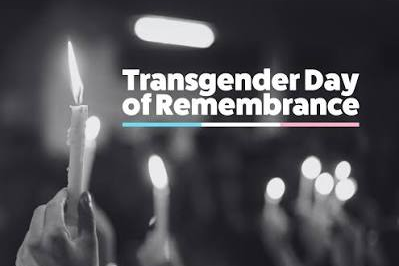

Activists and members of civil society across the country gathered to mark Transgender Day of Remembrance in Pakistan. They mourned transgender people lost to violence, loneliness and institutional neglect. The observance, held every year on November 20, turned the spotlight on a community that rights groups say remains one of the most vulnerable in the country. Speakers called for stronger protection, faster justice and real social acceptance.
Why Transgender Day of Remembrance Matters
Transgender Day of Remembrance began in 1999, when activist Gwendolyn Ann Smith organised a vigil after the 1998 killing of Rita Hester. Since then, the day has become a global occasion to read out the names of transgender people killed by hate and violence. Candlelight vigils, silent marches and public readings are now common in many countries.
In Pakistan, the observance carries a particular weight. The transgender community, often called the khawaja sira community, has faced decades of discrimination, social exclusion and targeted attacks. Many families disown trans children early in life, which pushes them into poverty and unsafe work. For these reasons, Transgender Day of Remembrance Pakistan is not only about the dead but also about the daily struggle of the living.
A Long Record of Violence
Violence against transgender persons has been documented in Pakistan for years, especially in Khyber Pakhtunkhwa. Earlier reporting in Dawn cited activists who said more than 69 transpersons had been violently killed in the province since 2015. Community leaders added that the real figure is likely higher because only the better-known cases reach the media.
The 2016 death of Alisha in Peshawar, who reportedly struggled to get timely treatment after being shot, became a turning point. Candlelight vigils were held in several cities, and the case remains a symbol of both violence and neglect. Years later, rights groups say that many of the same problems still exist.
International memorial lists for 2026 also record several cases from Pakistan, including incidents in Peshawar, Bannu, Sadiqabad and Ferozwala. These lists are compiled from media reports and community sources, so they are widely seen as incomplete. Researchers note that a victim’s name or identity is often misreported by police or the press, which makes accurate counting very hard.
Isolation and Neglect: The Quieter Crisis
Violence is only one part of the story. Mental health professionals and community advocates have warned that isolation, anxiety and depression are widespread among transgender people. Rejection by family, harassment in public spaces and the lack of safe jobs all add to the pressure. Advocates say that this slow, everyday hardship is often ignored because it does not make headlines.
Access to healthcare is another major gap. Many trans persons report being refused treatment, mocked by staff or turned away from hospitals. Education is similarly out of reach for many because of bullying and family pressure. As a result, a large part of the community depends on informal and unsafe sources of income, which increases the risk of abuse and exploitation.
What Activists and Civil Society Are Demanding
Speakers at remembrance events in Pakistan have repeated a familiar set of demands. They want swift and transparent investigations into attacks on transgender persons, and they want police to record these cases properly instead of dismissing them. They also want trained and sensitised officers at police stations, hospitals and government offices.
Rights groups have also pointed to the Transgender Persons (Protection of Rights) Act 2018, which recognises the right of a person to self-perceived gender identity and prohibits discrimination in education, employment and healthcare. Activists say the law is a strong foundation, but that its impact depends on enforcement. Many community members still struggle to get identity documents, rent homes or find stable work, even though the law is meant to protect them.
Past protests have shown the same pattern. In September 2025, members of the community and civil society activists gathered outside the Karachi Press Club to condemn the killing of three transgender persons and demand justice. Organisers said at the time that promises were made after every tragedy, but lasting change did not follow.
Voices from the Community
Community leaders have repeatedly said that the trans community is asked to prove its worth before it is offered basic dignity. Earlier statements by activists in Karachi and Peshawar describe a community that has received more threats than help, and that wants jobs, safety and respect rather than sympathy. Others have urged the media to tell trans stories with honesty instead of ridicule or stereotypes.
The message from civil society has been consistent. Remembering the dead is important, but it means little if the living remain unprotected. Advocates say the best tribute to victims is a country where a trans person can walk, work and seek medical care without fear.
Impact: Regional and Global Significance
The issue is not limited to Pakistan. Across South Asia, advocates are raising similar concerns about violence, weak documentation and legal uncertainty. In India, for example, students and activists marked this year’s observance with candlelight vigils and protests against the recently enacted Trans Amendment Act. Together, these events show a regional struggle over identity, legal recognition and safety.
Globally, the day has also exposed a data problem. Advocacy groups in the United States have noted that missing names, misgendering in police reports and omissions in obituaries make it difficult to know whether fatal violence is rising or falling. Pakistan faces the same challenge, which is why activists keep asking for proper data collection by police and government departments.
For Pakistan, the stakes are practical as well as moral. How the state handles cases involving transgender victims affects public trust in the justice system, and it shapes the country’s standing on human rights. Better reporting, fair trials and community-led policy making could strengthen both.
Conclusion: What Comes Next
The remembrance events ended with a familiar appeal for action rather than words. Activists want authorities to enforce the 2018 law, speed up investigations, improve access to healthcare and create safe job opportunities. They also want schools, media houses and religious and community leaders to speak against hatred and stereotypes.
Whether this year’s Transgender Day of Remembrance Pakistan leads to lasting change will depend on follow-up. Community groups say they will keep documenting cases, supporting survivors and pressing lawmakers. Readers can follow further coverage on Pakistan Publications Inc as these developments unfold.
Frequently Asked Questions
What is Transgender Day of Remembrance, and why is it observed on November 20?
Transgender Day of Remembrance is an annual observance that honours transgender and gender-diverse people killed by anti-transgender violence. It began in 1999, when Gwendolyn Ann Smith held a vigil after the 1998 killing of Rita Hester in the United States. November 20 was chosen to mark that tragedy, and the day has since spread across the world. Today it includes candlelight vigils, public readings of names and calls for legal and social reform. In Pakistan, it also draws attention to neglect, poverty and exclusion, not only to killings.
Why is Transgender Day of Remembrance Pakistan important for the country’s transgender community?
The day gives a community that is often ignored a public space to grieve and be heard. Many victims in Pakistan are never properly named in news reports or police records, so remembrance events help preserve their identities and stories. It also gives activists a moment to push for better enforcement of protection laws, fair investigations and respectful media coverage. For many community members, the day is also a reminder that they are not alone.
What does the Transgender Persons (Protection of Rights) Act 2018 provide?
The 2018 law recognises the right of individuals to self-perceived gender identity and allows them to obtain identity documents that reflect it. It also prohibits discrimination in areas such as education, employment, healthcare and access to public places. In addition, it calls for the protection of trans persons from harassment and abuse. Activists say the law is progressive on paper, but weak implementation, limited awareness among officials and social stigma mean many people still do not benefit from it fully.
Why do activists say violence against transgender persons in Pakistan is underreported?
Several factors keep cases out of official records. Victims and families may fear police mistreatment or social shame, and some officers fail to register complaints properly. Names and gender identities are also sometimes recorded incorrectly, which makes tracking harder. Earlier reporting quoted community leaders who believe that only well-known incidents reach the media. As a result, official and media counts are widely considered lower than the real figures.
How do isolation and neglect affect the transgender community?
Isolation often begins at home, when families reject or disown trans children, leaving them without emotional or financial support. Later, discrimination in schools, workplaces and hospitals limits opportunities and access to care. Mental health specialists warn that this pressure can lead to anxiety, depression and, in some cases, suicidal thoughts. Advocates stress that tackling neglect requires counselling services, safe housing, job training and public education alongside stronger policing.
What are activists and civil society groups demanding from the government?
Their main demands include prompt and transparent investigations into attacks, trained and sensitised police and hospital staff, and proper data collection on crimes against transgender persons. They also want faster issuance of identity documents, equal access to education and healthcare, and real job opportunities. Many also ask the media to avoid stereotypes and report on trans issues responsibly. Together, they argue these steps would turn legal rights into everyday protection.
How can ordinary citizens support the transgender community in Pakistan?
Individuals can start by treating transgender people with basic respect and by challenging abusive language or jokes. Employers can offer fair hiring and safe workplaces, and schools can adopt anti-bullying policies. Citizens can also support community organisations, attend remembrance events and share accurate information instead of rumours. Over time, small everyday actions help build the social acceptance that laws alone cannot create.
Is this issue only relevant to Pakistan?
No. Similar concerns are being raised across South Asia and around the world, including questions about legal recognition, safety and access to healthcare. Vigils held this year in places such as India and the United States show that the demand for dignity is shared across borders. Pakistan’s experience, however, has its own features, including strong family and social pressure, and gaps in enforcement of existing laws.