
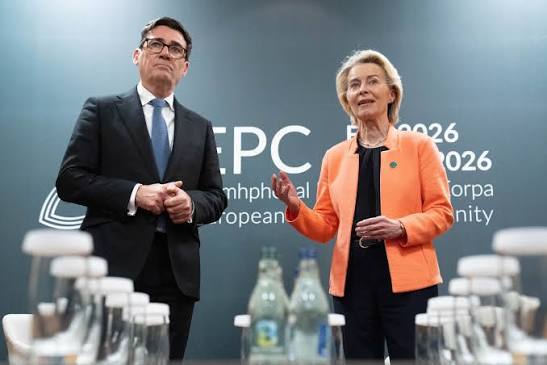

British Prime Minister Andy Burnham says the UK lost more than it gained from Brexit. He is expected to repeat the message in a speech on Monday, 16 November 2026, days before a UK-EU summit in Brussels. He is also expected to say that the Brexit deal Britain was given “has not worked” and that he is ready to sign a new agreement with the bloc if it meets his government’s conditions.
Background: A Decade After the Referendum
Britain voted to leave the European Union in 2016 and formally left in 2020. Ten years on, the debate has not settled. Supporters of Brexit still argue that it returned control to Westminster. Critics point to slower growth, more paperwork for exporters and strained ties with the UK’s closest trading partners.
Burnham took over as prime minister in July, after Keir Starmer left office. Since then he has become far more outspoken about Brexit than most recent leaders. At the Labour Party conference in late September, he said Brexit had done “more harm than good” and promised to set out options for a closer relationship with the EU.
A UK-EU summit planned for July was postponed after the change of leadership in Downing Street. The new meeting is now due to take place this week in Brussels, and it has become the first big test of his promise to reset relations.
What Burnham Said and Where
On Saturday, 14 November, Burnham spoke at the Welsh Labour conference in Llandudno. He told delegates the country had lost more than it had gained over the past ten years. He also accused the Conservatives of delivering a harsher and harder Brexit than many voters expected when they backed it in 2016.
Advance excerpts of his Monday speech were released by his office. According to reports, he will use the Lord Mayor’s Banquet at the Guildhall in London to make his case. He is expected to say that anyone who looks honestly at the last decade can see the costs, and that the government must now act on that evidence.
Burnham has also said the Conservatives “burned all our bridges” after the referendum. That, he argues, left Britain with fewer friends in Europe and less influence when it needed both.
Details: What the Summit Is Meant to Achieve
The Brussels summit is aimed at cutting trade barriers and boosting economic growth. Officials on both sides have spoken of reducing border checks and making it easier for businesses to sell goods and services across the Channel. Supporters of a closer deal say this could help small exporters, who have struggled most with the extra forms and costs.
Burnham’s office says he will only sign an agreement that fits the Labour manifesto and the government’s stated red lines. This matters because a closer relationship usually means accepting some EU rules in return for easier trade. Deciding how far Britain should go in following those rules is likely to be the hardest part of the talks.
Immigration is another sensitive area. Burnham has argued that Britain’s control over migration was weakened when it lost cooperation with European partners. He says the government is still working to rebuild it. Some opponents fear that a closer deal could bring back free movement through the back door, a claim the government rejects.
Quotes From the Prime Minister
Burnham has tried to be blunt. In remarks released ahead of his speech, he said that “the Brexit we were given has not worked.” He has framed his position as honesty rather than ideology, saying he is simply describing what he sees.
At the Welsh Labour conference, he said Britain had “lost more than we gained.” Earlier, at the Labour conference, he admitted that where the country stands now is not good enough. Together, these remarks show a prime minister who wants to move the argument from why Britain left to how it can repair the damage.
Impact: What This Means for Britain and Europe
For British businesses, the summit could decide whether trade becomes easier or stays costly. Exporters, farmers and manufacturers have long asked for fewer checks, and any breakthrough would be watched closely in the City and in industrial regions. A weak outcome, on the other hand, would deepen frustration among firms that expected faster progress.
The political risk is just as real. Euronews has noted that talk of rejoining the EU could alienate Labour voters in Leave-supporting areas and push some toward the Conservatives or Reform UK. At the same time, it could win back pro-European voters. Burnham is therefore balancing two groups with very different views on Brexit.
For the EU, a friendlier London is welcome news at a time when Europe wants stronger economic and security cooperation. Brussels is expected to stay firm on its own principles, however. That means it is unlikely to offer Britain the benefits of membership without the obligations that come with it.
Conclusion: What Happens Next
All eyes now turn to Brussels at the end of the week. The first signs will be whether the two sides announce concrete steps on trade, border checks and cooperation, or only a general statement of goodwill. Burnham has promised to set out options for the long-term relationship, so more detail should follow in the coming months.
Whatever happens, the prime minister has reopened a debate many thought was finished. The coming days will show whether his tough words on Brexit can be turned into practical gains. For readers who want to follow more global developments, visit Pakistan Publications Inc for the latest news and analysis. You can also explore more world news and political coverage on our homepage.
Frequently Asked Questions
What did Andy Burnham say about Brexit?
Burnham said the UK has lost more than it has gained since leaving the EU. He first made the point at the Welsh Labour conference on 14 November and is expected to repeat it in a speech on 16 November. He has also said the Conservatives delivered a harder Brexit than voters expected in 2016, and that the deal Britain received has not delivered what was promised. His message is that the country should now look for practical ways to improve its relationship with the EU.
When is the UK-EU summit taking place?
The summit is expected in Brussels at the end of this week, with reports pointing to Friday. An earlier meeting planned for July was postponed after the change of prime minister. The new date has become the main event in Burnham’s plan to reset relations. Readers should check official government announcements for the final schedule.
Does Burnham want the UK to rejoin the EU?
Burnham has said he will set out options for a new relationship with the EU, and he has not ruled out rejoining in the longer term. For now, his focus is on the summit and on a deal that cuts trade barriers. He says any agreement must fit the Labour manifesto and the government’s red lines, so a decision on rejoining is not part of this week’s talks.
What are the main aims of the Brussels summit?
The summit is meant to reduce trade barriers and boost economic growth. Both sides are expected to discuss easier movement of goods, fewer border checks and closer cooperation in areas of shared interest. The details will depend on how far each side is willing to compromise, particularly on rules, standards and migration.
Why is Brexit still such a divisive issue in Britain?
Brexit touches the economy, immigration, sovereignty and national identity, so people judge it very differently. Some voters feel it gave Britain greater independence, while others believe it has raised costs for businesses and families. Any move toward the EU, even a modest one, therefore carries political risk for the government of the day.
How could a closer UK-EU deal affect ordinary people?
If the talks succeed, businesses could face less paperwork, which may help lower costs and support jobs in exporting sectors. Consumers might eventually see more stable prices on imported goods. The benefits are not guaranteed, though, and will depend on the final terms. Critics warn that closer alignment with EU rules could limit Britain’s freedom to set its own policies.