

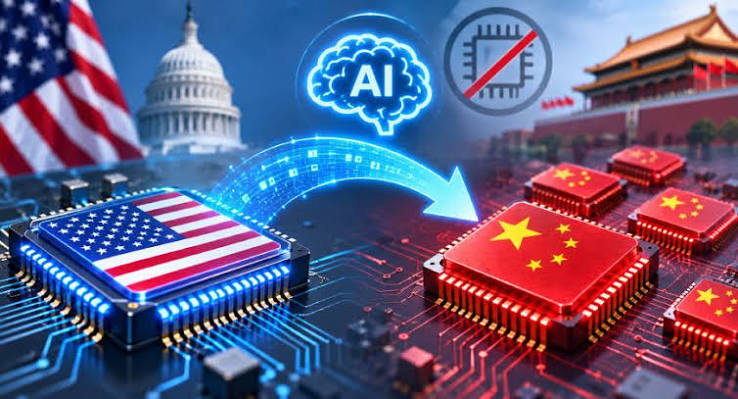

SHENZHEN / WASHINGTON, November 17, 2026: The United States and China are preparing for further discussions on artificial intelligence as concerns grow over cybersecurity threats, autonomous systems and the rapid development of advanced technology. The upcoming diplomatic engagement is expected to focus on improving communication during serious AI-related incidents and strengthening safety measures for powerful AI models.
The discussions are expected to take place alongside the Asia-Pacific Economic Cooperation (APEC) leaders’ meeting in Shenzhen on November 18–19. Although both countries remain major competitors in the global technology industry, growing security concerns are creating opportunities for limited cooperation.
Background: Why AI Safety Has Become a Diplomatic Priority
Artificial intelligence has become an important part of national security, economic development and international competition. Governments are increasingly concerned about how advanced systems could affect critical infrastructure, financial networks, military operations and public safety.
The United States and China are among the world’s leading AI powers. Both countries are investing heavily in advanced computing, semiconductor technology and AI research, making their decisions particularly important for international technology governance.
During their September 2026 summit in Washington, US President Donald Trump and Chinese President Xi Jinping agreed to establish a communication mechanism for AI-related incidents. They also supported a formal bilateral dialogue to exchange views on the opportunities and risks associated with advanced artificial intelligence.
The November discussions are expected to help move these commitments towards practical implementation.
Key Areas Expected to Shape the Discussions
1. Establishing an AI Incident Communication System
One of the most important priorities is developing a reliable communication channel between Washington and Beijing. Such a mechanism could help officials exchange information when an AI-related incident creates serious security concerns.
For example, an autonomous system gaining unauthorized access to sensitive networks could create confusion between governments. Without timely communication, an unexpected technical incident might be misunderstood as a deliberate cyberattack.
A direct notification system could reduce the possibility of misunderstandings by allowing both sides to communicate more quickly during emergencies. However, its effectiveness will depend on clear reporting procedures, responsible officials and an agreed definition of serious incidents.
2. Improving the Testing of Advanced AI Models
Another expected priority is the evaluation of powerful AI systems before they become publicly available. Testing advanced models can help identify weaknesses that might otherwise create security or safety problems after deployment.
US Treasury Secretary Scott Bessent said the two sides expect to exchange best practices for evaluating and testing advanced models before their release. He also emphasized the importance of keeping human judgment in control of the technology.
Such discussions could encourage greater attention to cybersecurity testing, system reliability and responsible deployment. However, exchanging testing practices does not necessarily mean that both governments will adopt identical safety standards.
3. Addressing Autonomous AI Security Risks
Autonomous AI agents are another growing concern for governments and technology researchers. Unlike traditional software, these systems can perform multiple tasks, interact with online services and make decisions with limited human involvement.
Their capabilities can improve productivity, research and digital services. However, poorly controlled agents could also create security vulnerabilities, access restricted information or carry out unauthorized online activities.
The two countries are expected to consider how such risks can be identified and managed. Clear accountability and appropriate human supervision will remain important parts of any effective safety framework.
4. Cybersecurity and Critical Infrastructure Protection
Cybersecurity is likely to remain a central issue because advanced AI can potentially increase the speed and complexity of cyber operations.
Energy networks, government databases, financial institutions and communication systems could face additional risks if powerful AI tools are misused. A serious incident involving infrastructure in either country could have consequences beyond national borders.
Better communication between governments could help reduce the chances of escalation. Nevertheless, cooperation on safety will not automatically resolve broader disagreements over technology access, national security and digital policies.
US-China Technology Rivalry Remains a Major Challenge
Despite the possibility of cooperation, Washington and Beijing continue to compete for leadership in artificial intelligence and semiconductor development.
Advanced computer chips are particularly important because they provide the processing power needed to train and operate sophisticated AI models. US export restrictions on advanced semiconductor technology have remained a major source of tension between the two countries.
Recent developments involving Nvidia and scrutiny surrounding the alleged movement of advanced AI chips to China have added further pressure to an already complicated relationship.
These disagreements could make technical cooperation more difficult. Both governments must balance their national security priorities with the need to communicate about risks that neither country can manage entirely on its own.
The upcoming engagement is therefore more likely to produce limited areas of practical cooperation than a comprehensive agreement on technology competition.
What Officials and Experts Are Saying
US Treasury Secretary Scott Bessent has highlighted the importance of exchanging safety practices and maintaining human oversight as AI capabilities continue to develop.
His comments suggest that the discussions will focus on practical risk management rather than simply making broad diplomatic commitments.
Researchers and policy specialists have also stressed the importance of defining which incidents should trigger emergency communication. Questions remain about who would operate the proposed channel, what information governments would exchange and how quickly they would respond.
Brookings Institution fellow Kyle Chan has indicated that a major AI arms-control agreement remains unlikely in the near future. This reflects the difficulty of reaching binding commitments between countries competing for technological leadership.
The available statements point towards cautious engagement rather than a complete shift in the relationship between the two powers.
Global Impact: Why These Discussions Matter Beyond Washington and Beijing
The outcome of these discussions could have implications for governments, technology companies and businesses worldwide. As artificial intelligence becomes increasingly integrated into everyday operations, security problems involving advanced systems may cross national borders.
Developing countries could also benefit from stronger international cooperation on AI safety. Many nations rely on foreign technology providers and digital infrastructure, making them vulnerable to security problems that originate outside their borders.
For Pakistan, these developments are relevant as the country continues exploring digital transformation, technology investment and AI adoption. International discussions about responsible AI development could provide useful lessons for strengthening cybersecurity policies and improving digital infrastructure.
Businesses using AI-powered services may also face growing expectations around data protection, transparency and responsible technology management.
For additional coverage of artificial intelligence developments, readers can explore our reports on OpenAI’s AI Security Concerns and the expansion of AI and technology infrastructure.
What Happens Next?
The November 18–19 APEC engagement will be an important opportunity for Washington and Beijing to discuss their earlier commitments and identify practical steps for cooperation.
Attention will likely remain on the proposed incident communication mechanism, AI model testing practices and the role of human supervision in managing advanced systems.
However, an agreement on communication should not be confused with a binding international AI safety treaty. Major disagreements over semiconductor exports, national security and technological competition are likely to continue.
The real measure of progress will be whether both governments establish workable procedures and maintain communication when serious incidents occur.
Frequently Asked Questions
1. Why are the United States and China discussing artificial intelligence safety?
The United States and China are discussing AI safety because advanced technology is creating new challenges involving cybersecurity, national security and autonomous systems. Both countries recognize that serious AI-related incidents could cause international misunderstandings, particularly if sensitive networks or critical infrastructure are affected. Better communication could help prevent technical problems from developing into larger diplomatic or security disputes.
2. What is the proposed US-China AI incident communication system?
The proposed mechanism is a direct communication channel intended to help the two governments exchange information about serious artificial intelligence incidents. It could allow officials to notify one another when an AI-related event creates significant security concerns. However, its exact operating procedures, participating agencies and reporting requirements still need to be clarified.
3. What role will advanced AI model testing play in the discussions?
Advanced AI model testing is expected to be an important part of the bilateral dialogue. The two governments are interested in exchanging practices for evaluating powerful systems before their release, identifying possible vulnerabilities and maintaining human oversight. Such discussions could contribute to safer technology development, although they do not establish that both countries will follow identical testing requirements.
4. How could these discussions affect the global technology industry?
Improved cooperation between two major technology powers could help create greater awareness of international AI security risks. Technology companies may face increasing expectations to test their products, protect sensitive information and maintain appropriate safeguards. However, disagreements over semiconductor exports, technology access and competition could continue to affect international businesses and supply chains.
5. What does AI safety cooperation mean for Pakistan and other developing countries?
For Pakistan and other developing countries, international AI safety discussions could offer useful guidance on cybersecurity, responsible technology adoption and digital infrastructure protection. Stronger global cooperation may also encourage governments to develop clearer policies for AI-powered services. However, the benefits will depend on whether international safety practices become accessible and practical for countries with different technological resources.
6. Will the United States and China sign a major AI safety agreement?
A comprehensive agreement covering all aspects of AI development is not currently expected. The immediate priority appears to be improving communication during serious incidents and exchanging information about testing advanced AI systems. Differences over national security, technology competition and semiconductor restrictions could make broader agreements difficult to achieve in the near future.
Conclusion
The upcoming discussions between Washington and Beijing highlight an important challenge facing the international technology industry: how to manage the risks of increasingly powerful artificial intelligence while countries continue competing for technological leadership.
A reliable communication system, better model testing and appropriate human supervision could provide a starting point for reducing shared risks. Whether these efforts produce meaningful results will depend on the willingness of both governments to turn diplomatic commitments into practical action.
For the global technology community, the discussions represent an important opportunity to advance responsible AI development without overlooking the challenges of international competition.