
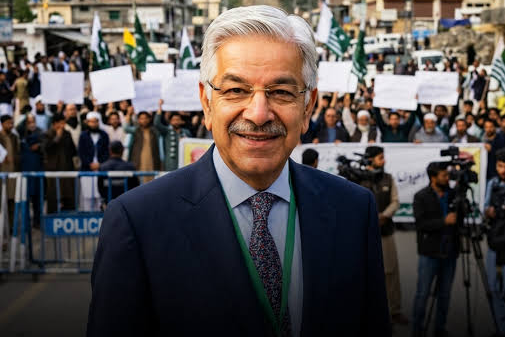

The PPP PML-N spat entered another round on Sunday. Senior Pakistan Peoples Party leaders said Defence Minister Khawaja Asif’s comments about party chairman Bilawal Bhutto-Zardari were unacceptable and had crossed a red line. Senator Sherry Rehman and MNA Sharmila Faruqui led the response. Their reaction came even as the president and prime minister have said they want all disputes settled through dialogue.
Background: How the Coalition Rift Began
The latest exchange traces back to November 17, when Bilawal Bhutto-Zardari addressed the Karachi Press Club. He spoke on the proposed creation of new provinces, backed several demands raised by the opposition, and questioned some decisions taken by the ruling coalition. He also called for a “political reset” and warned of bloodshed in Sindh if provinces were created by force.
Leaders of the PML-N, Jamaat-e-Islami and the MQM-Pakistan reacted sharply to the speech and accused him of political hypocrisy. On November 18, Khawaja Asif responded on X, reminding Bilawal that the two parties have shared power at the Centre since 2022. He also pointed to the PPP’s long run in Sindh and Karachi’s condition. Since then, the PPP PML-N spat has moved from the question of provinces to personal remarks.
What Khawaja Asif Said
On November 19, the defence minister shared two video clips of Bilawal on X. In the first, the PPP chairman criticises the PTI and its founder, Imran Khan. In the second, taken from his Karachi Press Club address, he describes Imran Khan as a political prisoner and argues that Pakistan’s former prime ministers were either all guilty or all victims of political revenge.
Asif’s caption said the party had hoped the younger generation would be more principled than the old guard. He added that he did not expect it to prove so skilled at dishonesty and at changing colours. On Saturday, he went further and described Bilawal as the biggest beneficiary of the system and one of its critics at the same time, calling it rank opportunism.
Bilawal House Lahore Pulled Into the Debate
Earlier, the defence minister raised the ownership of Bilawal House in Lahore in another post on X. He asked who owns the property and who lives there, and whether people occupying a property without legal title could morally claim any privileged position. He added that the 250 million people of Pakistan deserved to know the property and financial details of those who consider status and privilege their entitlement.
PPP leader Nadeem Afzal Chan answered with a video of party workers gathering at the house. He said the property belongs to every PPP worker and challenged the minister to show people entering any other large house the same way. The exchange shows how the PPP PML-N spat has drifted from policy toward personal territory.
Quotes From PPP Leaders
Sherry Rehman called the minister’s remarks about the PPP organisation and its leadership an unacceptable flow of comments. In her post on X, she said he had crossed a red line. Speaking after the president and prime minister met on Saturday, she urged the government to focus on people’s problems instead of creating new political fault lines.
Rehman said provocative statements by ministers should be avoided, and that Bilawal wants politics to address public issues rather than create new divisions. She also said the chairman is trying to prevent bloodshed, not shed it. Sharmila Faruqui said that while everyone has the right to disagree, there is a difference between derision and disagreement. She reminded the minister that words reflect both a person’s character and the dignity of his office, and that political differences should be settled through reasoned argument.
PPP Statement Warns of Its Own Counter-Arguments
In a separate statement on X, the PPP accused the defence minister of trying to provoke it into personal attacks on the PML-N leadership. The statement said Bilawal had instructed party leaders to ignore the remarks and stick to issue-based politics. It also warned that the PPP is familiar with the controversies surrounding the PML-N leadership, naming the Panama Papers, the Avenfield properties and the Al-Azizia Steel Mills cases.
This combination of restraint and warning is notable. The party wants to appear above the personal exchange, yet it signals that it has material of its own if the confrontation continues. Observers of coalition politics often read such statements as pressure meant to bring the other side back to the negotiating table.
Efforts at Dialogue
Alongside the sharp words, there have been attempts to cool things down. The Presidency said on Thursday that President Asif Ali Zardari and Prime Minister Shehbaz Sharif agreed to resolve all matters through dialogue after meeting in Islamabad. The two leaders met again on Saturday to review the overall political situation.
Pakistan Today reported on November 21 that Khawaja Asif had urged the president to help settle the differences over new provinces. He reportedly said administrative restructuring should be judged on national interest, not political rivalry. Bilawal has also said, in remarks covered earlier this week, that he wants the prime minister to complete a full five-year term. You can read more in our report on Bilawal Bhutto Zardari backing Shehbaz Sharif for a full five-year term.
Why the Spat Matters
The federal government relies on PPP support in parliament, which is why even a verbal quarrel between the two parties draws close attention. A sustained breakdown could complicate legislation, budget negotiations and the wider debate on constitutional changes. For the moment, neither party has announced any step toward leaving the arrangement, and the leaders at the top are still speaking to each other.
The impact is felt mostly in Sindh and Punjab politics. The new provinces debate touches ethnic and administrative sensitivities, particularly in Karachi, which is why Bilawal’s warning on Sindh drew such a strong reaction. Citizens, meanwhile, are left watching a public argument at a time when economic and security concerns remain pressing. For related coverage, see the Pakistan and National sections of our site.
Conclusion: What Comes Next
The coming days will show whether the dialogue promised by the president and prime minister can calm the situation. Much depends on whether ministers on both sides tone down their language and whether the provinces question is taken to a proper forum. The PPP says it wants issue-based politics, while the PML-N side has indicated it is open to talks, so a face-saving middle path remains possible.
If the personal attacks continue, the PPP PML-N spat could harden positions and make it harder to settle the larger policy questions. We will update this report as further statements, meetings or announcements come in.
Frequently Asked Questions (FAQs)
What is the PPP PML-N spat about?
The PPP PML-N spat began after Bilawal Bhutto-Zardari’s November 17 speech at the Karachi Press Club. He opposed any forced creation of new provinces, called for a political reset and criticised several decisions of the ruling coalition. PML-N leaders responded with sharp criticism, and Defence Minister Khawaja Asif then made personal remarks about Bilawal. The PPP says those remarks crossed a red line. So the dispute is partly about policy, mainly the provinces question, and partly about the tone of public debate between the two parties.
What did Khawaja Asif say about Bilawal Bhutto-Zardari?
On November 19, Khawaja Asif shared two video clips of Bilawal on X, one criticising the PTI and one calling Imran Khan a political prisoner. In his caption, he said the new generation had been expected to be more principled but had turned out to be skilled at dishonesty and at changing colours. On Saturday, he called Bilawal the biggest beneficiary of the system and also its critic, and described it as rank opportunism. He had also asked who owns and lives in Bilawal House in Lahore.
Why did the PPP say a red line had been crossed?
Sherry Rehman and Sharmila Faruqui said the defence minister’s language about Bilawal and the PPP leadership was derogatory and unacceptable. Rehman said he had crossed a red line, and Faruqui said it was a red line for the party. Faruqui added that political differences should be addressed through reasoned argument, not personal attacks, and that a federal minister is expected to show seriousness and decorum. The PPP also said Asif was trying to provoke it into replying with personal attacks.
How did the PPP respond to the Bilawal House question?
PPP leader Nadeem Afzal Chan posted a video showing party workers gathering at Bilawal House in Lahore. He said the property is the home of every PPP worker and asked the defence minister to show people entering any other big house the same way. Separately, the party said Bilawal had asked leaders to ignore the minister’s remarks and focus on issue-based politics. The party’s statement still warned that it knows the controversies surrounding the PML-N leadership, naming the Panama Papers, Avenfield and Al-Azizia cases.
Are President Zardari and PM Shehbaz Sharif trying to settle the dispute?
Yes. The Presidency said on Thursday that the president and the prime minister agreed to resolve all matters through dialogue after meeting in Islamabad. They met again on Saturday to review the overall political situation. After that meeting, Sherry Rehman urged the government to focus on people’s problems and avoid provocative statements. These meetings suggest that the top leadership of both parties wants to contain the rift, even though ministers and party spokespersons continue to trade sharp words in public.
Could the PPP PML-N spat affect the federal government?
The PML-N-led federal government depends on PPP support in parliament, so a deep break would be serious for its stability. At present, no party has announced that it is leaving the arrangement, and both sides say they prefer dialogue. The immediate risk is slower decision-making and a tense atmosphere around sensitive issues such as new provinces and constitutional changes. Whether the rift widens or narrows will depend on the language used by leaders and the outcome of the talks between the president and the prime minister.