

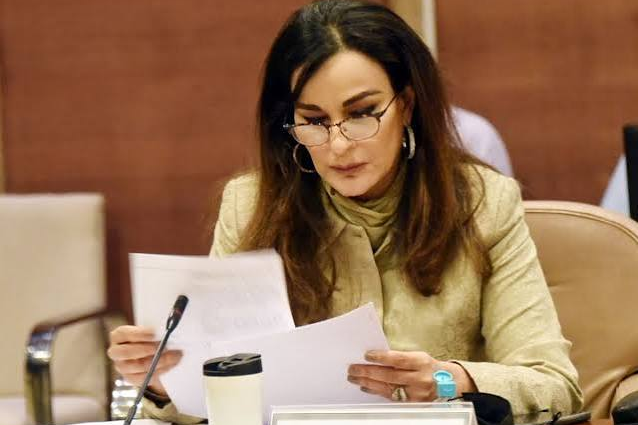

Sherry Rehman Dar-e-Nijaat has become a major topic of discussion after Senator Sherry Rehman commented on the growing popularity of the Pakistani television serial among Indian audiences. The senator humorously observed that people in India appear to be following the drama more enthusiastically than viewers in Pakistan.
Her remarks have attracted attention because the drama’s popularity comes at a time when cultural exchanges between India and Pakistan remain politically sensitive. Despite restrictions affecting Pakistani entertainment in India, viewers have continued discussing the serial, sharing clips and organising gatherings to watch its episodes.
The growing interest has also raised questions about the influence of entertainment, social media and shared cultural traditions. The popularity of the drama demonstrates how a television production can develop an international audience even when relations between the countries remain complicated.
Sherry Rehman Comments on Dar-e-Nijaat’s Popularity in India
Senator Sherry Rehman has joined the growing conversation surrounding the popularity of Pakistani drama Dar-e-Nijaat among Indian viewers. Her observation about Indian audiences watching the serial with greater enthusiasm than Pakistanis has attracted attention across entertainment and political discussions.
The senator’s remarks came as the drama continued to receive attention beyond Pakistan. Viewers in India have reportedly shown considerable interest in its characters, emotional storyline and weekly episodes.
Rehman’s comment was particularly notable because Pakistani entertainment has faced restrictions in India following deteriorating relations between the neighbouring countries. The continued popularity of the drama has therefore become more than an ordinary television discussion.
Her observation also highlighted an interesting contrast. While political tensions have affected formal cultural exchanges, some Indian viewers remain interested in Pakistani television productions and continue following their stories through available digital channels.
The discussion has encouraged people to look beyond political disagreements and consider why audiences continue connecting with entertainment from neighbouring countries.
Why Her Remarks Have Attracted Attention
Rehman’s comments have attracted interest because they touch on a subject that extends beyond television ratings. The popularity of Pakistani dramas among Indian viewers has become part of a wider discussion about cultural identity, entertainment restrictions and the relationship between ordinary people.
Her observation also reflects the unusual situation surrounding Dar-e-Nijaat. A drama produced for Pakistani audiences has developed a strong following in another country where Pakistani-origin entertainment faces significant restrictions.
The contrast has attracted attention from journalists, social media users and entertainment personalities. It has also encouraged discussion about whether cultural interests can remain separate from political disagreements.
For many viewers, the answer is relatively simple: people enjoy stories that connect with their emotions, experiences and interests. The nationality of a production may not be the most important factor when a storyline captures their attention.
Dar-e-Nijaat Becomes a Popular Pakistani Drama Among Indian Viewers
Dar-e-Nijaat has emerged as one of the most discussed Pakistani television productions of the year. The drama has attracted attention through its storyline, performances and the growing popularity of its central characters.
Written by Umera Ahmed and directed by Saqib Khan, the serial airs on ARY Digital. Its story explores relationships, emotional struggles, personal responsibility and the different ways people respond to difficult experiences.
The drama centres on Zaryab, a young woman dealing with emotional pain after a difficult relationship. Her marriage to Abu Bakar introduces another dimension to the story, particularly through his considerate behaviour and approach towards her past.
Khushbakht, Abu Bakar’s mother, also plays an important role. Her experiences and decisions provide another perspective on family relationships, motherhood and emotional strength.
These characters have become important subjects of online discussions. Viewers frequently share their opinions about their choices, relationships and personal development.
The serial’s growing popularity demonstrates that audiences are not necessarily attracted to a production because of one particular actor. A combination of storytelling, performances, character development and emotional themes can create a lasting connection.
Sheheryar Munawar and Durefishan Saleem Attract Attention
The performances of Sheheryar Munawar and Durefishan Saleem have contributed to the drama’s popularity.
Sheheryar Munawar plays Abu Bakar, whose calm personality and considerate behaviour have attracted considerable attention among viewers. His character offers a different approach to relationships, particularly when compared with the more controlling or judgmental male characters frequently portrayed in television stories.
Durefishan Saleem plays Zaryab, a character dealing with complicated emotions and difficult personal circumstances. Her performance has encouraged viewers to discuss the character’s decisions and the challenges she experiences throughout the story.
Sania Saeed’s portrayal of Khushbakht has also received considerable attention. The character’s personal history and approach to family relationships have become important elements of the drama.
In a related entertainment development, readers can explore Sania Saeed’s explanation of Khushbakht’s character and her choices in Dar-e-Nijaat.
The interest in these performances shows how supporting characters can become just as important as leading roles in creating a successful television production.
Indian Fans Organise Watch Parties for Dar-e-Nijaat
One of the most remarkable developments surrounding the drama has been the organisation of watch parties in Indian cities.
Instead of following episodes individually, fans have arranged gatherings where people can watch the serial together, discuss the storyline and share their favourite moments.
A notable screening took place in New Delhi, where organiser Abu Sufiyan Khan initially expected a relatively small gathering. According to reporting by Al Jazeera, the event was planned for approximately 45 people but received more than 700 requests from interested viewers.
The response surprised the organisers and demonstrated the level of interest surrounding the Pakistani production.
The gathering also provided an opportunity for viewers to interact with people who shared their enthusiasm for the drama. Discussions, fan activities and conversations about the characters helped turn an ordinary television screening into a community event.
For many attendees, the experience was about more than watching an episode. It offered an opportunity to meet other fans and participate in a shared cultural activity.
Bengaluru Screenings Face Public Backlash
The growing popularity of the drama has not been without difficulties.
Two planned screenings in Bengaluru were cancelled following objections and public criticism. Promotional material for the events circulated online, leading to questions about organising gatherings around Pakistani entertainment during a period of political tension.
Police also reportedly raised concerns about permissions for the planned events.
One proposed gathering was expected to include a themed dinner and a social experience for viewers. Another was planned as a private screening involving family members and friends.
The cancellations highlighted the challenges faced by organisers who want to arrange cultural events involving Pakistani entertainment in India.
The controversy also demonstrated how quickly online discussions can influence activities taking place outside social media.
Some people supported the screenings as an example of cultural appreciation, while others objected to public celebrations of Pakistani entertainment.
Online Abuse Raises Concerns for Participants
The reaction to the Delhi gathering also created difficulties for some participants.
According to reporting by India Today, women who attended the screening faced online abuse, personal attacks and threats after sharing their experiences on social media.
The organiser subsequently reconsidered plans for another screening, citing concerns about the safety of participants.
This development added another dimension to the debate. While entertainment events are generally organised to bring people together, the online reaction demonstrated how quickly an ordinary cultural activity can become controversial.
The experience also raised questions about the safety and privacy of individuals participating in public discussions about sensitive political subjects.
For organisers, ensuring that attendees can participate without harassment has become an important consideration.
Why Indian Audiences Are Interested in Pakistani Dramas
The growing interest in Dar-e-Nijaat is not an isolated development. Pakistani dramas have attracted audiences in India for many years, with several productions gaining popularity through television broadcasts, online platforms and social media.
There are several reasons behind this continuing interest.
Shared Language Makes Pakistani Dramas Accessible
One of the most important factors is the linguistic connection between Urdu and Hindi.
Both languages share many everyday expressions, sentence structures and vocabulary. As a result, many Hindi-speaking viewers can understand Pakistani drama dialogue without requiring extensive translation.
Urdu also has a distinctive literary and poetic quality that appeals to audiences who enjoy emotionally expressive storytelling.
The dialogue in Pakistani dramas often focuses on conversations, relationships and personal experiences. This approach can make characters feel familiar to viewers from different parts of South Asia.
Language therefore provides an important connection between the production and its international audience.
Similar Family Traditions and Social Experiences
Pakistan and India share several cultural traditions, particularly regarding family relationships, weddings, parenting and social expectations.
These similarities can make Pakistani television stories relatable to Indian viewers.
A drama exploring disagreements between family members, marriage decisions or generational differences may connect with audiences because similar situations exist in their own communities.
Although social traditions differ across regions and families, many emotional experiences are widely understood.
This familiarity allows viewers to appreciate a story without needing detailed knowledge of the country where it was produced.
Emotional Storytelling Creates Strong Connections
Pakistani television productions frequently explore emotional relationships and personal challenges.
Rather than depending entirely on visual effects or large-scale action sequences, many dramas focus on character development and conversations.
Viewers may become interested in how a character handles betrayal, family pressure, personal responsibility or difficult decisions.
In Dar-e-Nijaat, the relationships between Zaryab, Abu Bakar and Khushbakht provide several opportunities for audiences to discuss these themes.
The drama encourages viewers to consider whether people should be judged by their past experiences or by the decisions they make afterwards.
Such questions can generate conversations that continue long after an episode ends.
Strong Acting and Character Development
Performances are another important reason Pakistani dramas attract international audiences.
A well-developed character can become memorable when an actor successfully communicates emotions through dialogue, expressions and behaviour.
In Dar-e-Nijaat, the performances have helped generate interest in the personalities and decisions of the main characters.
Viewers have also discussed the supporting cast, particularly the role of Khushbakht and the influence she has on her family.
When different characters offer contrasting perspectives, audiences have more opportunities to debate the storyline.
This type of engagement can help a television production remain relevant between episodes.
Social Media Has Helped the Drama Reach International Audiences
Social media has transformed the way television programmes become popular.
In the past, viewers generally depended on television schedules, advertisements and traditional entertainment coverage to discover new productions.
Today, a short video clip can introduce a drama to thousands of people who have never watched an episode.
Instagram, Facebook, YouTube and other digital platforms allow audiences to share favourite scenes, discuss characters and create fan content.
These activities can generate interest far beyond the original broadcast audience.
Fan Videos and Online Discussions
Short video clips featuring memorable scenes have become an important part of modern entertainment culture.
Viewers frequently share emotional moments, dialogue and character interactions. These clips can reach people who might not otherwise search for a particular television serial.
Online discussions also encourage audiences to exchange opinions about the storyline.
Some viewers support particular characters, while others question their decisions. This variety of reactions creates continuing engagement.
The popularity of Abu Bakar as a character has been particularly noticeable among fans who appreciate his calm and considerate approach towards relationships.
Digital Platforms Create International Communities
Digital platforms allow viewers living in different countries to participate in the same entertainment conversations.
A person watching a drama in Pakistan can discuss an episode with someone living in India, Bangladesh, the Middle East or another region.
This creates international communities based on shared interests.
The growing popularity of Pakistani entertainment has also created opportunities for actors, writers and production companies to reach new audiences.
For further coverage of Pakistan’s entertainment personalities, readers can also explore Hania Aamir’s mysterious new project Pablo, which attracted considerable attention among her followers.
The growing digital presence of Pakistani celebrities demonstrates how social media can help local entertainment reach audiences outside traditional television markets.
Political Tensions Continue to Affect Pakistani Entertainment in India
The popularity of Pakistani television in India has developed against a difficult political background.
Relations between the neighbouring countries have experienced repeated periods of tension, affecting diplomatic engagement, trade, travel and cultural exchange.
Entertainment has also been affected.
Pakistani actors have faced restrictions on professional activities in India, while television programmes, films and music have become subjects of political debate.
Following the April 22, 2025 Pahalgam attack, which killed 26 people, tensions increased significantly.
On May 8, 2025, India’s Ministry of Information and Broadcasting issued an advisory asking streaming platforms and digital intermediaries operating in the country to discontinue Pakistani-origin entertainment content.
The advisory covered web series, films, songs, podcasts and other streaming media.
The government cited national security considerations in its decision.
These developments created uncertainty for Pakistani productions that had previously attracted audiences in India.
Streaming Restrictions and Audience Interest
The restrictions have affected the way Indian audiences access Pakistani entertainment.
Official availability through streaming platforms and broadcaster channels has become limited, depending on the service and the applicable restrictions.
However, online discussions about Pakistani productions have continued.
The popularity of Dar-e-Nijaat demonstrates the difference between official distribution and audience interest.
A programme may face restrictions in a particular market while still attracting attention through discussions, recommendations and online communities.
This situation has also raised questions about the effectiveness of content restrictions in an increasingly connected digital environment.
For a related report, readers can visit Pakistan Publications Inc’s coverage of India’s demand for Netflix restrictions on the Pakistani series Jo Bachay Hain Sang Samait Lo.
The controversy surrounding that production has further highlighted the challenges facing Pakistani artists and international streaming companies.
Netflix Controversy Adds to the Debate Over Pakistani Content
The debate surrounding Dar-e-Nijaat has developed alongside another controversy involving Pakistani entertainment on Netflix.
The upcoming series Jo Bachay Hain Sang Samait Lo, internationally promoted as All The Love Our Hearts Carry, has faced opposition from Indian industry organisations.
The series features several prominent Pakistani actors, including Fawad Khan, Mahira Khan, Sanam Saeed, Ahad Raza Mir and Hania Aamir.
The production is based on Farhat Ishtiaq’s bestselling Urdu novel and is scheduled for a global premiere on December 4, 2026.
The All Indian Cine Workers Association reportedly called on Netflix and Indian authorities to prevent the series from being streamed in India.
The issue attracted further attention after India’s Ministry of Information and Broadcasting reiterated its earlier advisory concerning Pakistani-origin content.
Why the Netflix Dispute Matters
The controversy is significant because streaming platforms have become an important part of the international entertainment industry.
Unlike traditional television broadcasting, digital services can distribute productions across numerous countries.
This allows artists and production companies to reach viewers who may never have access to their work through local television channels.
However, content availability can vary depending on government regulations, licensing agreements and regional platform policies.
Restrictions in one market may therefore affect the commercial opportunities available to a production.
For Pakistani artists, international streaming releases can provide opportunities to expand their audiences and develop professional recognition.
For streaming companies, the challenge is to manage distribution while complying with the requirements of individual markets.
Entertainment and Political Differences
The debate surrounding Netflix has also raised broader questions about whether entertainment should be treated separately from political disagreements.
Some people argue that cultural exchange should continue even when diplomatic relations become difficult.
Others believe that political and security concerns should influence decisions about the availability of foreign entertainment.
These opposing views have made Pakistani-origin productions a subject of continuing discussion.
The popularity of Dar-e-Nijaat has added another example to this debate by showing that audience interest can remain strong even when official access is restricted.
Sherry Rehman’s Comments Highlight the Importance of Cultural Exchange
Sherry Rehman’s remarks have brought attention to the relationship between entertainment and national identity.
Her observation about Indian audiences watching Dar-e-Nijaat more enthusiastically than Pakistani viewers highlighted the unusual popularity of the drama.
It also encouraged a wider conversation about why a television production can attract people across national boundaries.
Cultural exchange has historically played an important role in South Asia.
Music, literature, films, television and language have connected audiences from different communities for generations.
Although political disagreements have repeatedly affected these connections, cultural interests have not necessarily disappeared.
Entertainment Can Connect Ordinary People
Television stories often focus on experiences that are familiar to people regardless of their nationality.
Love, marriage, family relationships, personal struggles and the desire for a better life are themes that audiences across the world can understand.
A viewer may appreciate a drama because it presents these experiences in an engaging way.
That interest does not automatically mean the viewer supports every political position associated with the country where the programme was produced.
This distinction is important when discussing cross-border entertainment.
Cultural appreciation and political agreement are not necessarily the same thing.
Artists and Writers Have a Different Role
Actors, directors and writers generally work to create stories that audiences can enjoy and understand.
Their professional responsibilities include developing characters, presenting emotions and producing content that attracts viewers.
A successful television production may become popular in another country simply because its creative elements connect with an audience.
For this reason, the international popularity of Pakistani dramas can also be viewed as recognition of the work of writers, performers and production teams.
It provides an opportunity to appreciate creative achievements beyond national boundaries.
What the Growing Popularity Means for Pakistan’s Entertainment Industry
The international response to Dar-e-Nijaat could provide useful lessons for Pakistan’s entertainment industry.
Pakistani dramas have already developed audiences in several countries, particularly among Urdu-speaking communities and people familiar with South Asian culture.
However, the recent interest from Indian viewers demonstrates the potential for productions to reach audiences beyond traditional markets.
Opportunities for International Distribution
International distribution can provide additional commercial opportunities for production companies.
A drama that attracts viewers abroad may generate interest in its cast, soundtrack, production team and other projects.
Streaming services and digital platforms can help Pakistani productions reach international audiences more efficiently than traditional broadcasting arrangements.
However, producers need to consider licensing, copyright protection and the legal requirements of different territories.
Developing legitimate distribution arrangements is important for ensuring that creative work receives appropriate recognition.
Investment in Better Storytelling
International popularity should encourage producers to focus on quality rather than simply following temporary entertainment trends.
Strong scripts, realistic characters and professional performances can help a drama attract viewers over a longer period.
Writers should also consider presenting different social experiences and perspectives rather than depending on repetitive storylines.
Productions that explore meaningful subjects can encourage discussion and develop loyal audiences.
Supporting Actors and Creative Professionals
The entertainment industry depends on a wide range of professionals.
Actors, directors, writers, editors, cinematographers, musicians and production workers all contribute to a television programme.
When a Pakistani drama becomes internationally popular, it can increase recognition for the entire creative team.
This visibility may create further opportunities for collaborations, new projects and international distribution.
The popularity of Dar-e-Nijaat therefore represents more than attention for its leading actors. It also highlights the potential of Pakistan’s wider television industry.
Can Pakistani Dramas Continue to Find Viewers Across Borders?
The future of Pakistani entertainment in India will depend on several factors.
Political relations, government policies, digital regulations and streaming platform decisions will continue to influence official access to Pakistani productions.
At the same time, audience interest may continue to develop through online communities and social media conversations.
The popularity of earlier Pakistani dramas, including Humsafar, Zindagi Gulzar Hai, Tere Bin and Kabhi Main Kabhi Tum, suggests that Indian viewers have a history of following Pakistani television.
The current attention surrounding Dar-e-Nijaat may therefore be part of a broader pattern rather than a temporary development.
However, the long-term success of Pakistani dramas will depend on their ability to maintain quality and attract viewers through compelling stories.
The Importance of Responsible Cultural Engagement
Cultural activities can provide opportunities for people to understand one another.
However, public events must also respect local regulations and the safety of participants.
The difficulties faced by organisers of Dar-e-Nijaat screenings demonstrate why these considerations are important.
Viewers should be able to discuss entertainment without personal harassment or threats.
Similarly, organisers should consider permissions, venue requirements and participant privacy when arranging public gatherings.
A respectful environment can help cultural activities remain focused on creativity and shared interests rather than unnecessary confrontation.
Public Reaction Shows How Television Can Become a Social Conversation
The response to Dar-e-Nijaat demonstrates how television can become part of everyday online conversation.
Fans discuss characters, share memorable scenes and debate the decisions made by fictional personalities.
These conversations can continue even when viewers are not watching an episode.
The drama has also encouraged people to compare different approaches to relationships, parenting and personal responsibility.
Some viewers appreciate Abu Bakar’s behaviour, while others focus on the challenges experienced by Zaryab and Khushbakht.
This variety of opinions has helped maintain public interest.
The watch parties have taken the conversation beyond digital platforms by allowing fans to meet and discuss the serial in person.
However, the cancellations and online backlash also demonstrate that entertainment can become sensitive when it crosses political boundaries.
The experience provides an example of how modern audiences can create communities around television productions while facing challenges associated with public opinion and political circumstances.
What Happens Next for Dar-e-Nijaat and Its International Audience?
The continuing popularity of Dar-e-Nijaat will likely remain an important subject for Pakistani entertainment coverage.
Viewers will be interested in the remaining episodes, character developments and the way the storyline concludes.
The response from international audiences may also encourage other Pakistani production companies to consider how their dramas can reach viewers outside the country.
At the same time, political restrictions and distribution arrangements will remain important factors in determining where Pakistani productions can officially be watched.
The situation surrounding planned screenings in India may also influence how organisers approach similar events in the future.
For actors and production teams, the current attention provides an opportunity to understand what international viewers appreciate about Pakistani storytelling.
Whether the drama’s popularity develops into a longer-lasting trend will depend on audience engagement and the ability of the industry to continue producing compelling television.
Conclusion
Senator Sherry Rehman’s comments about Dar-e-Nijaat have added a new dimension to the discussion surrounding Pakistani entertainment and its growing international audience.
Her observation that Indian viewers may be following the serial more enthusiastically than Pakistanis has attracted attention at a time when cultural exchange between the neighbouring countries remains politically sensitive.
The drama’s popularity, the Delhi watch party and the controversy surrounding planned screenings in Bengaluru demonstrate how strongly audiences can connect with television stories.
Shared language, familiar family traditions, emotional storytelling and memorable performances have all contributed to the interest in Pakistani productions.
Although political restrictions continue to affect official entertainment distribution in India, the public response shows that cultural interests can remain strong across national boundaries.
For Pakistan’s entertainment industry, the attention surrounding Dar-e-Nijaat provides an opportunity to highlight the value of creative storytelling and develop stronger international recognition.
Ultimately, the drama’s popularity is a reminder that people can appreciate stories, characters and performances from different countries even when political disagreements remain unresolved.
Frequently Asked Questions
1. What did Sherry Rehman say about Dar-e-Nijaat?
Senator Sherry Rehman commented on the growing popularity of Pakistani drama Dar-e-Nijaat among Indian audiences. She humorously suggested that viewers in India might be watching the serial more enthusiastically than people in Pakistan. Her observation attracted attention because the drama has gained international interest despite restrictions affecting Pakistani entertainment in India.
2. Why is Dar-e-Nijaat popular among Indian audiences?
The drama has attracted viewers because of its emotional storyline, character development and performances by actors including Sheheryar Munawar, Durefishan Saleem and Sania Saeed. Shared language and familiar South Asian family traditions also make the production accessible to many Indian viewers. Social media discussions and organised watch parties have further increased its visibility.
3. Who wrote and directed Dar-e-Nijaat?
Dar-e-Nijaat was written by Umera Ahmed and directed by Saqib Khan. The drama airs on ARY Digital and focuses on relationships, emotional struggles, personal responsibility and family experiences. Its characters and storyline have attracted considerable attention among Pakistani viewers and international audiences.
4. What happened at the Dar-e-Nijaat watch party in Delhi?
A watch party organised in New Delhi attracted significant interest from people who wanted to watch the Pakistani serial together. According to Al Jazeera, organiser Abu Sufiyan Khan initially planned the event for around 45 people but received more than 700 requests. The gathering became a major talking point because of the popularity of Pakistani entertainment in India.
5. Why were Dar-e-Nijaat screenings cancelled in Bengaluru?
Two planned screenings in Bengaluru were reportedly cancelled after promotional material attracted objections and public criticism. The events faced difficulties amid political sensitivity surrounding Pakistani entertainment in India. Police also reportedly raised questions about permissions for the gatherings, highlighting the challenges of organising such events.
6. Why do Indian viewers enjoy Pakistani television dramas?
Many Indian viewers appreciate Pakistani dramas because of their relatable family stories, emotional performances and familiar language. Urdu and Hindi share significant similarities, making dialogue understandable for many audiences. Pakistani productions also frequently explore relationships, marriage, parenting and social expectations, which are subjects familiar to viewers across South Asia.
7. Has India restricted Pakistani entertainment content?
India’s Ministry of Information and Broadcasting issued an advisory on May 8, 2025, asking streaming platforms and digital intermediaries to discontinue Pakistani-origin films, television series, songs, podcasts and other streaming content. The government cited national security considerations. The advisory has affected the official availability of Pakistani entertainment on digital platforms operating in India.
8. What role does social media play in Dar-e-Nijaat’s popularity?
Social media has helped the drama reach audiences beyond its regular television viewers. Fans share memorable scenes, discuss characters, create short videos and exchange opinions about new episodes. These activities introduce the production to people who may not have watched it previously and help create international fan communities.
9. Who are the main actors in Dar-e-Nijaat?
The drama features Sheheryar Munawar, Durefishan Saleem and Sania Saeed in important roles. Sheheryar Munawar plays Abu Bakar, while Durefishan Saleem portrays Zaryab. Sania Saeed plays Khushbakht, whose personal experiences and approach to family relationships have become important subjects of audience discussion.
10. How could Dar-e-Nijaat’s popularity benefit Pakistan’s entertainment industry?
The international interest could help Pakistani producers understand what attracts audiences outside the country. It may create opportunities for improved digital distribution, stronger international recognition and greater visibility for actors and creative professionals. Continued success will depend on quality storytelling, professional production and access to legitimate distribution platforms.
11. Can Pakistani dramas improve cultural understanding between India and Pakistan?
Television dramas can introduce audiences to the language, traditions and everyday experiences of neighbouring societies. They may encourage viewers to recognise shared interests and emotions that exist beyond political differences. Although entertainment cannot resolve diplomatic disagreements on its own, cultural exchange can provide opportunities for greater understanding between ordinary people.
12. What does Sherry Rehman’s statement mean for Pakistani entertainment?
Her remarks have highlighted the ability of Pakistani television to attract viewers beyond the country’s borders. The response to Dar-e-Nijaat suggests that strong storytelling can develop an audience even in markets where official distribution is restricted. For Pakistani producers, this interest provides an opportunity to focus on creative quality and explore legitimate international distribution opportunities.